



Contents:
- What Is Square Foot Gardening — and Why Does It Work for Flowers?
- The Grid System Explained
- Building the Right Raised Bed for Square Foot Flower Gardening
- Dimensions and Depth
- Materials
- Mel’s Mix: The Foundation of Success
- Choosing the Best Flowers for Square Foot Gardening
- Annuals: The Workhorses of the Raised Bed
- Perennials Worth Including
- Bulbs in a Square Foot System
- Flowers to Use with Caution
- Planning Your Square Foot Flower Garden Layout
- The Sun-to-Shade Rule
- Bloom Time Sequencing
- A Sample 4×4 Bed Layout
- Soil Preparation and Planting Techniques
- Preparing Mel’s Mix (or a Practical Alternative)
- Direct Sowing vs. Transplanting
- Watering Strategy for Dense Plantings
- Fertilizing Flowers in a Square Foot Raised Bed
- Year One
- Year Two and Beyond
- Common Mistakes to Avoid
- A Reader’s Story: From Disappointing Rows to a Cutting Garden That Fills the House
- Pest and Disease Management in Dense Flower Beds
- Prevention First
- Common Flower Bed Pests
- Organic Spray Options
- Extending Your Blooming Season
- Early Spring
- Fall Extension
- Succession Sowing
- Creating a Cut Flower Garden with Square Foot Methods
- Varieties Chosen for Vase Life
- Harvesting for Maximum Yield
- The 10-Stem Rule
- Square Foot Flower Gardening Across USDA Hardiness Zones
- Zones 3–4 (Upper Midwest, Northern New England)
- Zones 5–6 (Midwest, Mid-Atlantic, Pacific Northwest)
- Zones 7–9 (Southeast, Southwest, Pacific Coast)
- Zone 10+ (South Florida, Hawaii, Southern California)
- Tools and Supplies You Actually Need
- Frequently Asked Questions
- What is square foot flower gardening?
- How many flowers can you grow in a 4×4 raised bed?
- Can you mix flowers and vegetables in a square foot garden bed?
- How deep should a raised bed be for flowers?
- Do perennial flowers work in square foot garden beds?
- Your Next Step: Start Small, Then Expand
Most gardeners waste half their space and wonder why their flower beds look sparse. Square foot gardening fixes that — and when you apply it to flowers in raised beds, the results are genuinely remarkable. Dense, lush, cut-flower-worthy blooms from a 4×4 bed that would have produced a handful of straggly plants using traditional row spacing.
This guide covers everything: the method itself, how to adapt it specifically for flowers (not vegetables — the rules differ), which varieties thrive, how to build and fill your beds, and how to keep things blooming from late spring through first frost. Whether you’re setting up your first raised bed or you’ve been gardening for years and want to squeeze more out of your space, this approach delivers.
What Is Square Foot Gardening — and Why Does It Work for Flowers?
Square foot gardening was developed by Mel Bartholomew and popularized in his 1981 book of the same name. The core idea is simple: divide your growing area into a grid of 1-foot squares, then plant each square according to the mature size of the plant rather than traditional row spacing. No wasted path space between rows. No thinning out seedlings you spent weeks growing. Just intentional, dense planting that maximizes every square inch.
Bartholomew’s original system was built around vegetables, but the logic translates directly to flowers — and in some ways works even better. Flowers don’t need harvesting paths the way vegetable gardens do. You’re not crawling through the bed to pull carrots. You’re cutting stems from the edge or reaching in from all sides of a 4-foot-wide bed (the maximum recommended width so you can reach the center without stepping in).
The density also creates a natural weed-suppression effect. Once established, closely planted flowers shade the soil surface, making it difficult for weeds to germinate. Less weeding means more time enjoying the garden — or cutting flowers for the house.
The Grid System Explained
A standard square foot garden bed is 4 feet wide by 4 feet long (16 squares total) or 4 feet by 8 feet (32 squares). The grid is physically marked using wood strips, twine, or even just a mental map — whatever keeps you organized at planting time. Each square gets one type of plant, with the number of plants per square determined by spacing requirements.
Here’s the general rule: divide 12 by the plant’s recommended spacing in inches to get how many plants fit per square foot.
- 4-inch spacing: 9 plants per square
- 6-inch spacing: 4 plants per square
- 12-inch spacing: 1 plant per square
- 18-inch spacing: 1 plant per square (may need 2 squares)
For flowers, this spacing isn’t arbitrary. It reflects the mature spread of the plant, and getting it right is the difference between a thriving display and a tangled, disease-prone mess.
Building the Right Raised Bed for Square Foot Flower Gardening
The bed itself matters more than most beginners realize. A flimsy, shallow box filled with garden soil is going to disappoint you within a single season.
Dimensions and Depth
Stick to 4 feet wide maximum — this is non-negotiable for ergonomics. Length can be whatever your space allows: 4, 6, 8, or 12 feet are all common. For depth, most annuals do fine in 8 to 10 inches of growing medium, but if you’re growing dahlias, tall zinnias, or any plant with a substantial root system, go to 12 inches. Perennial flowers benefit most from 12 to 18 inches of depth to accommodate their more established root zones.
Materials
Cedar and redwood are the gold standards for raised bed construction — both are naturally rot-resistant without chemical treatment and can last 10 to 20 years. Untreated pine is cheaper but may need replacing within 5 to 7 years. Avoid pressure-treated lumber for ornamental gardens if you’re also growing herbs or edibles nearby, though modern ACQ-treated wood is considered safe by most regulatory standards.
Galvanized steel raised bed kits have become increasingly popular and typically run $80–$200 for a 4×8 bed. They’re durable, have a clean aesthetic, and heat up faster in spring — an advantage for warm-season flowers. Fabric grow bags work for containers but aren’t ideal for a true square foot grid system.
Mel’s Mix: The Foundation of Success
Bartholomew’s recommended growing medium — universally known as “Mel’s Mix” — is one-third coarse vermiculite, one-third peat moss or coconut coir, and one-third compost (blended from at least five different sources for nutrient diversity). This mixture is light, drains well, never compacts, and provides excellent fertility without added fertilizers in year one.
Filling a 4×8×12-inch bed requires approximately 32 cubic feet of mix. At retail prices, expect to spend $75–$150 depending on your local sources for vermiculite and compost. It’s an upfront cost, but this mix doesn’t need annual tilling or amendment the way native soil does — just top it off with 1 to 2 inches of fresh compost each season.
🌿 What the Pros Know
Professional cut flower farmers rarely plant in single-variety blocks. They interplant different heights and bloom times within the same bed to create “succession in place” — as one variety finishes, another is just hitting its stride. In a square foot flower garden, you can plan this deliberately: put your slow-to-bloom zinnias next to fast-finishing bachelor’s buttons. The grid makes tracking it easy, and your vase arrangements will look better for it.
Choosing the Best Flowers for Square Foot Gardening
Not every flower is equally suited to intensive square foot planting. The best candidates have predictable mature sizes, respond well to close planting, and don’t aggressively spread or flop over neighboring squares. Here’s a breakdown by category.
Annuals: The Workhorses of the Raised Bed
Annuals bloom hard, finish their life cycle in one season, and give you the most flexibility to redesign your grid year after year. These are the core of most square foot flower gardens.
- Zinnias (Zinnia elegans): Space at 9 to 12 inches (1 per square). ‘Benary’s Giant’ series produces 4- to 5-inch blooms ideal for cutting. Direct sow after last frost; germination in 5 to 7 days.
- Marigolds (Tagetes): French marigolds fit 4 per square at 6-inch spacing. African marigolds (taller) go 1 per square. Added benefit: they deter aphids and nematodes from neighboring squares.
- Bachelor’s Buttons (Centaurea cyanus): 4 per square at 6-inch spacing. Direct sow 2 to 4 weeks before last frost for earlier blooms. Exceptional cut flower with an intense cobalt blue that doesn’t photograph true.
- Cosmos (Cosmos bipinnatus): 1 per square at 12-inch spacing. Grows 2 to 4 feet tall; plant on the north side of your bed so it doesn’t shade shorter neighbors. Blooms prolifically with almost no care.
- Sweet Alyssum (Lobularia maritima): 4 per square. Excellent as an edging plant along the front row. Blooms from late spring until hard frost. Fills gaps between taller plants at ground level.
- Lisianthus (Eustoma grandiflorum): 1 per square. Slow to start (transplant, don’t direct sow), but produces long-lasting blooms that look like peonies. Worth the wait for a cutting garden.
- Snapdragons (Antirrhinum majus): 4 per square. Cool-season performers — plant in early spring and again in early fall in USDA zones 6–9. They can handle a light frost.
Perennials Worth Including
Perennials take up permanent real estate in your grid, which limits flexibility. That said, a few are productive enough to justify the dedicated squares.
- Echinacea (Coneflower): 1 per square at 18-inch spacing (consider a 2-square allocation for established clumps). Blooms summer through fall; attracts pollinators and birds.
- Rudbeckia (Black-eyed Susan): 1 per square. Blooms reliably in midsummer even in heat and drought. Native to North American prairies — tough as nails.
- Salvia (Perennial types): 1 per square. ‘May Night’ and ‘Caradonna’ are compact varieties that won’t crowd neighbors. Blooms May through June, often reblooms in fall.
- Yarrow (Achillea millefolium): 1 per square. Spreads over time; may need division every 2 to 3 years. Flat flower heads dry beautifully.
Bulbs in a Square Foot System
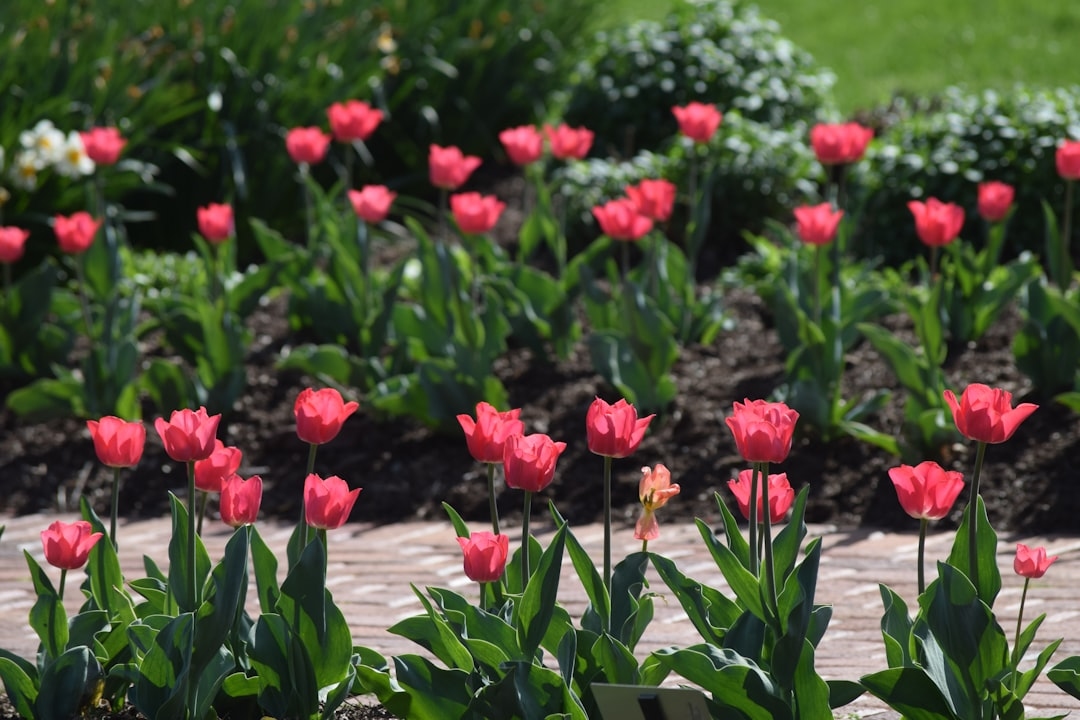
Spring bulbs fit beautifully into the square foot framework. Tulips go 9 per square (6-inch spacing), daffodils 4 per square, and alliums 1 per square. Plant in fall in USDA zones 3–7. Once spring bulbs finish, pull or leave the foliage to die back naturally, then replant the square with warm-season annuals for summer color — a technique called “underplanting” or “succession planting.”
Flowers to Use with Caution
Some flowers are genuinely problematic in a tight square foot grid. Avoid these or give them dedicated isolation squares:
- Sunflowers: Fine as a backdrop or in their own bed section, but their root competition and shading makes them poor neighbors in a mixed grid.
- Dahlias: They work — and produce spectacular blooms — but they need 18 to 24 inches of spacing and their tubers take up substantial underground space. Dedicate a full 4-square section to a single dahlia if you want to include them.
- Morning Glories and Moonflowers: They vine and will take over neighboring squares within weeks.
Planning Your Square Foot Flower Garden Layout
Good planning happens on paper (or a spreadsheet) before anything goes in the ground. Rush this step and you’ll end up with your tallest plants shading the short ones, or everything blooming simultaneously in June with nothing left for August.
The Sun-to-Shade Rule
Orient your bed so the tall plants are on the north side (in the Northern Hemisphere). This prevents shading shorter plants. In a 4×4 bed, organize in height tiers from north to south: tallest plants (cosmos, tall zinnias) in the back two rows, medium plants (marigolds, lisianthus, salvia) in the middle two rows, and low-growing plants (alyssum, French marigolds, sweet william) in the front two rows.
Bloom Time Sequencing
Map out when each plant blooms in your specific USDA hardiness zone. In zone 6 (mid-Atlantic), a well-planned 4×8 bed might sequence like this:
- April–May: Pansies, snapdragons, sweet alyssum (cool-season annuals)
- May–June: Bachelor’s buttons, larkspur, nigella
- June–August: Zinnias, marigolds, cosmos, lisianthus
- August–October: Late zinnias, rudbeckia, echinacea, dahlias
The goal is overlap, not gaps. When one square finishes, the neighboring squares should already be mid-bloom. You achieve this through staggered planting dates and deliberate variety selection — not luck.
A Sample 4×4 Bed Layout
Here’s a practical starting point for a 4×4 bed (16 squares) focused on cut flowers in zones 5–7:
- Cosmos (1 plant) — back left corner
- Tall zinnia, ‘Benary’s Giant’ (1 plant) — back center-left
- Tall zinnia, ‘Benary’s Giant’ (1 plant) — back center-right
- Cosmos (1 plant) — back right corner
- Lisianthus (1 plant) — middle row, left
- African marigold (1 plant) — middle row, center-left
- African marigold (1 plant) — middle row, center-right
- Salvia ‘Caradonna’ (1 plant) — middle row, right
- Bachelor’s buttons (4 plants) — front-middle, left square
- Bachelor’s buttons (4 plants) — front-middle, right square
- French marigolds (4 plants) — front left corner square
- Sweet alyssum (4 plants) — front right corner square
This layout gives you cut flowers from late May through October, with no square idle for more than a few weeks.
Soil Preparation and Planting Techniques
Preparing Mel’s Mix (or a Practical Alternative)
If vermiculite is hard to source locally (it’s available at most garden centers and big-box stores, typically $20–$35 for a 4-cubic-foot bag), you can substitute perlite. Perlite doesn’t retain moisture as well as vermiculite, but it provides similar drainage and aeration benefits. The compost component is the most important — use a blend of mushroom compost, worm castings, and leaf mold if possible. Variety in the compost means variety in the microbial life and trace minerals your flowers get.
Direct Sowing vs. Transplanting
Both methods work in raised beds, and the choice depends on the plant:
Direct sow: Zinnias, cosmos, bachelor’s buttons, marigolds, and sunflowers all prefer direct sowing — they resent root disturbance and germinate quickly enough that starting indoors offers little time advantage. Sow seeds after your last frost date, mark each square with a small label, and thin to the correct spacing once seedlings reach 2 inches tall.
Transplant: Lisianthus, snapdragons, salvia, and perennials generally benefit from transplanting started seedlings or nursery transplants. Transplants let you put a blooming (or near-blooming) plant into a square immediately rather than waiting 4 to 6 weeks for direct-sown seed to reach that stage.
Watering Strategy for Dense Plantings
Dense planting in raised beds means roots compete for moisture more than in traditional gardens. Drip irrigation is the single best investment you can make for a square foot flower bed. A basic drip system with a timer — available for $25–$60 at hardware stores — delivers water directly to root zones, keeps foliage dry (reducing fungal disease risk), and uses 30 to 50 percent less water than overhead sprinklers.
Without drip irrigation, water at the base of plants using a wand or soaker hose. Morning watering is ideal — foliage dries before evening, which dramatically reduces botrytis and powdery mildew issues in dense plantings.
Fertilizing Flowers in a Square Foot Raised Bed
Mel’s Mix provides strong initial fertility, but heavily planted flower beds deplete nutrients faster than lightly planted ones. Here’s a practical feeding schedule:
Year One
If you built with quality Mel’s Mix, no additional fertilizer is needed through the first 6 to 8 weeks of the season. After that, apply a balanced slow-release granular fertilizer (10-10-10 or similar) at the package rate, or side-dress with compost. For cut flowers specifically, avoid high-nitrogen fertilizers after the first month — they produce lush foliage at the expense of blooms.
Year Two and Beyond
Top-dress with 1 to 2 inches of fresh compost at the start of each season and again in midsummer. Liquid fertilizers — fish emulsion, seaweed extract, or a balanced liquid bloom fertilizer — can be applied every 2 to 3 weeks during active bloom for an extra push. A fertilizer with a higher middle number (phosphorus, like 5-10-5) promotes more flowering rather than leafy growth.
Common Mistakes to Avoid
Even experienced gardeners make these errors when transitioning to a square foot flower system:
- Ignoring final height at planting time. A cosmos seedling looks tiny in May. By July it’s 4 feet tall and shading three adjacent squares. Always plan for mature size, not current size.
- Planting the same thing in every square. Monocultures — even beautiful ones — are pest and disease magnets. Diversity in a small space is protection, not chaos.
- Skipping succession planting. Filling the entire bed at once and calling it done is the most common mistake. Replant finished squares throughout the season to keep the bed productive from May through October.
- Using native soil instead of a proper growing medium. Native soil compacts in raised beds, drains poorly, and introduces weed seeds by the thousands. Mel’s Mix or a quality raised bed blend is not optional — it’s the foundation of the whole system.
- Forgetting to deadhead. Most annuals stop blooming when they set seed. Deadheading — removing spent flowers before they go to seed — keeps the plant producing new blooms. For a cutting garden, regular harvesting accomplishes the same thing automatically.
- Watering overhead on a hot, sunny day. Water droplets on leaves in direct sun can cause scorch marks and promote fungal disease. Always water at the base, morning or evening.
A Reader’s Story: From Disappointing Rows to a Cutting Garden That Fills the House
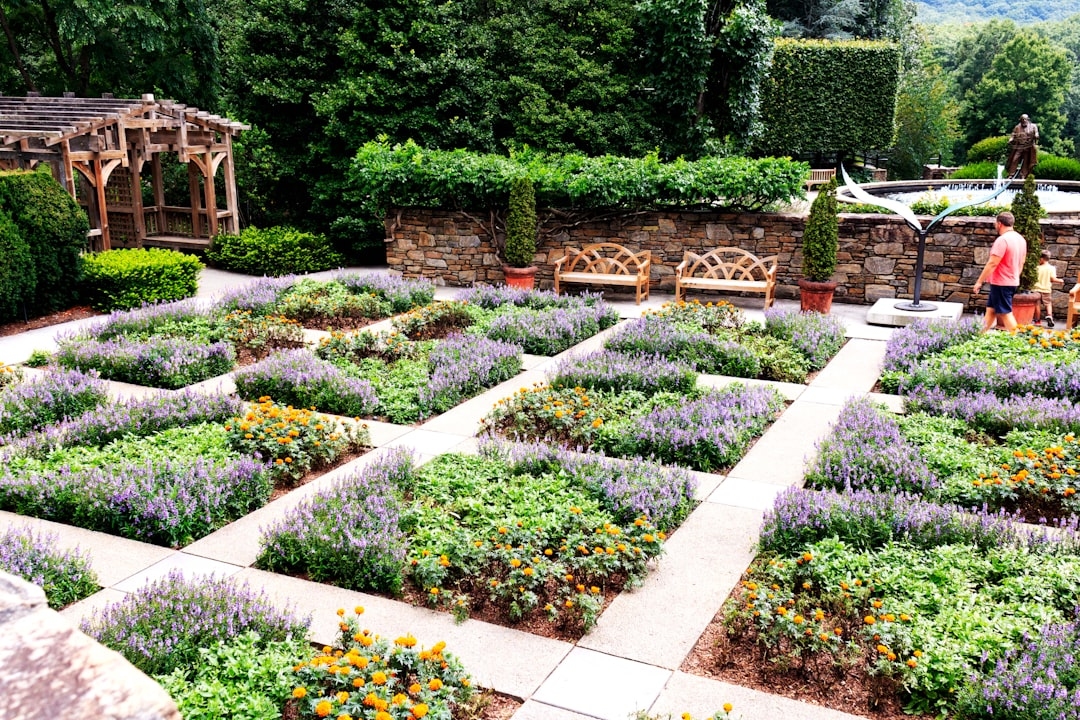
Maria, a home gardener in Columbus, Ohio (zone 6a), had been growing flowers in a traditional in-ground row garden for four years. Every spring she’d plant zinnias and marigolds in neat rows 18 inches apart, following the seed packet instructions. Every summer she’d get a respectable display — but not much to cut for the house, and the garden looked sparse until late July when everything finally filled in.
She converted a single 4×4 raised bed to square foot flower gardening the following spring, using 9 squares for three varieties of zinnias and 7 squares for cosmos, bachelor’s buttons, marigolds, and sweet alyssum. Same total number of square feet as before. Same basic plant list. The difference was dramatic: by late June the bed was full, dense, and blooming. She was cutting bouquets twice a week and still had blooms left to display in the garden. The sweet alyssum along the front edge was suppressing weeds she would have spent 20 minutes a week pulling before.
“I kept waiting for something to go wrong,” she said. “It just looked too full. But everything bloomed, nothing got diseased, and I had flowers on my dining room table from June until October.”
Her key insight: the density itself creates conditions for success. The plants support each other, the soil stays moist longer, and the overall effect looks intentional and lush rather than spotty and sparse.
Pest and Disease Management in Dense Flower Beds
The close spacing in square foot gardening does create one legitimate concern: reduced airflow between plants can invite fungal diseases. Here’s how to stay ahead of that.
Prevention First
Choose disease-resistant varieties when possible — zinnia varieties like ‘Profusion’ and ‘Zahara’ show much better powdery mildew resistance than older open-pollinated types. Space plants at the minimum recommended distance rather than going tighter. Use drip irrigation or base watering to keep foliage dry. Remove any diseased leaves promptly — don’t let them sit on the soil surface.
Common Flower Bed Pests
- Aphids: Controlled effectively by companion planting marigolds and by introducing or attracting ladybugs. A strong spray of water dislodges them from stems.
- Japanese Beetles: Hand-pick into soapy water in early morning when they’re sluggish. Avoid pheromone traps — they attract more beetles than they catch.
- Thrips: Nearly invisible but cause silvery streaking on petals. Sticky blue traps work for monitoring. Spinosad-based insecticides are effective and low-impact on beneficials.
- Slugs: Particularly problematic in densely planted beds with moist conditions. Iron phosphate bait (sold as Sluggo) is safe for gardens and effective within 3 to 7 days.
Organic Spray Options
For fungal issues, a weekly preventative spray of diluted neem oil (2 tablespoons per gallon of water with a few drops of dish soap as an emulsifier) keeps most fungal problems at bay without harming pollinators when applied in evening hours. Bacillus subtilis (sold as Serenade) is another effective, OMRI-listed fungicide that works as both preventative and early treatment.
Extending Your Blooming Season
A well-managed square foot flower bed in zones 5–7 can produce blooms from April through November with some planning. Here’s how to push both ends of the season.
Early Spring
Install a cold frame or row cover over your raised bed in late February or early March. This gives you 4 to 6 additional weeks of usable growing season. Plant pansies, snapdragons, dianthus, and larkspur under cover. These cool-season flowers can handle temperatures down to 28°F with row cover protection. By the time warm-season annuals are ready to go in (after last frost), the cool-season plants have already given you 6 weeks of blooms.
Fall Extension
As summer winds down, transition squares that finish blooming to fall-interest plants. Ornamental kale, mums (planted from nursery stock in August for fall color), and late-blooming zinnias can carry the bed through October. A simple frost cloth over the bed on cold nights extends the season another 2 to 4 weeks in most zones.
Succession Sowing
For zinnias and cosmos specifically, make two direct sowings: one right after last frost and a second 5 to 6 weeks later. The second sowing ensures you have fresh plants coming into bloom in August and September when the first planting is starting to look tired. Each sowing occupies the same squares — you’re just replacing spent plants with new seedlings as space opens up.
Creating a Cut Flower Garden with Square Foot Methods
If your goal is fresh flowers for the house rather than garden display, a few additional strategies help maximize your harvest.
Varieties Chosen for Vase Life
Not all beautiful flowers hold well in a vase. These perform best after cutting:
- Zinnias: 7 to 10 days in a vase. Cut when the bloom is fully open.
- Lisianthus: 14 to 21 days — exceptional vase life for a garden flower.
- Sunflowers: 7 to 10 days. Cut in bud stage, just as the petals begin to open.
- Snapdragons: 7 to 10 days. Cut when 1/3 of the florets on the spike are open.
- Marigolds: 5 to 7 days. Change water every 2 days.
- Bachelor’s Buttons: 5 to 7 days. Recut stems underwater every few days.
- Cosmos: 5 to 7 days. Condition overnight in a bucket before arranging.
Harvesting for Maximum Yield
Cut flowers in the early morning when stems are fully hydrated. Use clean, sharp scissors or pruners — dirty cuts introduce bacteria that shorten vase life. Cut stems at a 45-degree angle to maximize surface area for water uptake. Strip any leaves that would sit below the waterline in your vase (submerged foliage rots quickly and contaminates the water).
Place cut stems immediately into a bucket of cool water — don’t let them sit in air. Condition them in a cool, dark location for at least 4 hours (overnight is better) before arranging. This “hardening off” step dramatically extends vase life and is skipped by most home gardeners who then wonder why their flowers wilt by day two.
The 10-Stem Rule
Professional cut flower growers aim for 10 stems per plant per season from high-yield annuals like zinnias and marigolds. In a 4×4 bed with 10 zinnia plants, that’s a conservative 100 stems over the course of the season — enough for weekly bouquets with stems to spare. This isn’t a guarantee, but it’s a useful planning benchmark.
Square Foot Flower Gardening Across USDA Hardiness Zones
The mechanics of square foot gardening are the same everywhere, but timing and plant selection shift significantly by zone.
Zones 3–4 (Upper Midwest, Northern New England)
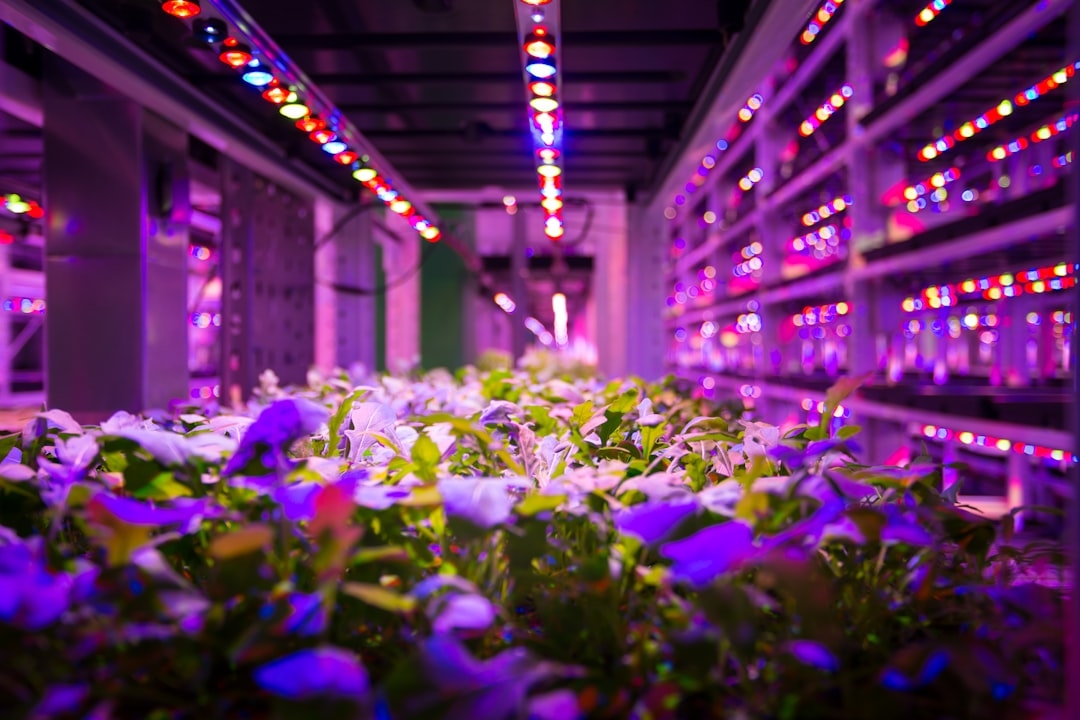
Short growing seasons demand fast-maturing varieties. Look for zinnias with 55- to 60-day maturity rather than 75-day types. Direct sow indoors under grow lights 4 to 6 weeks before last frost (which may come as late as mid-June in zone 3). Prioritize annuals over perennials — many perennials need 2 full seasons to establish and bloom reliably in short-season climates.
Zones 5–6 (Midwest, Mid-Atlantic, Pacific Northwest)
These zones offer the most flexibility. Cool-season annuals in spring, warm-season annuals through summer, and a fall succession planting gives you the longest possible bloom window. Most popular cut flowers — zinnias, cosmos, lisianthus, dahlias — perform at their best in these zones.
Zones 7–9 (Southeast, Southwest, Pacific Coast)
Hot summers make July and August challenging for many annuals. Zinnias handle heat well; cosmos and bachelor’s buttons may struggle. Shift your heavy planting to spring (February–April) and fall (September–October). Many annuals that behave as summer plants in northern zones will behave as winter annuals in zones 8 and 9 — pansies, snapdragons, and dianthus can bloom all winter with minimal protection.
Zone 10+ (South Florida, Hawaii, Southern California)
Traditional “annual” flowers may perform as short-lived perennials. Heat-tolerant varieties are essential: ‘Profusion’ zinnias, vinca (Catharanthus roseus), globe amaranth, and celosia all handle zone 10 heat without flinching. Cool-season annuals are true fall/winter/spring plants in these climates.
Tools and Supplies You Actually Need
Square foot gardening is an efficient system — and that efficiency extends to tools. You don’t need much.
- Hand trowel: For planting transplants and making seed furrows. A narrow blade (sometimes called a transplanting trowel) works best in dense plantings.
- Grid marking material: Lath strips, wooden dowels, or heavy twine stretched between nails. The grid only needs to be in place at planting time — remove it once plants fill in if you prefer.
- Plant labels: Essential. Dense plantings look similar before they bloom, and forgetting what’s where is genuinely disorienting.
- Watering wand: Lets you water at soil level without disturbing closely planted seedlings. A wand with a gentle rose head is ideal.
- Sharp pruners or snips: For deadheading and cutting. Clean them with a 10% bleach solution between plants if you’re dealing with disease.
- Row cover and hoops: For season extension. A lightweight floating row cover (1.5 oz weight) provides about 4°F of frost protection.
Total startup cost for tools and supplies (not including the bed structure or growing medium): roughly $50–$80. The bed itself adds $100–$200 depending on materials. Year one is the most expensive; subsequent years cost mainly the price of seeds and fresh compost.
Frequently Asked Questions
What is square foot flower gardening?
Square foot flower gardening is a method of growing flowers in raised beds divided into a grid of 1-foot squares, with each square planted according to the mature spacing needs of the flower rather than traditional row spacing. It maximizes productivity per square foot, reduces weeding, and produces denser, more attractive plantings than conventional methods.
How many flowers can you grow in a 4×4 raised bed?
A 4×4 raised bed contains 16 squares. Depending on the flowers chosen, you can grow anywhere from 16 to 144 plants. A single large dahlia may occupy 2 to 4 squares, while compact sweet alyssum can fit 9 plants per square. A realistic mixed planting of medium-sized annuals (zinnias, cosmos, marigolds) averages 2 to 4 plants per square, giving you roughly 30 to 60 plants in a 4×4 bed.
Can you mix flowers and vegetables in a square foot garden bed?
Yes, and it’s often beneficial. Marigolds repel pests from vegetable neighbors. Nasturtiums attract aphids away from tomatoes. Basil planted near flowers improves pollinator traffic. The main consideration is matching sun, water, and fertilizer needs — high-nitrogen fertilizers that benefit leafy vegetables will reduce blooming in flowers planted in the same bed.
How deep should a raised bed be for flowers?
A minimum of 8 inches is workable for most annuals. For best results — especially if you plan to grow dahlias, tall zinnias, or perennial flowers — aim for 12 inches of growing medium. Deeper beds (up to 18 inches) benefit perennials with substantial root systems and provide better drought resilience in summer heat.
Do perennial flowers work in square foot garden beds?
Yes, but with a trade-off. Perennials occupy permanent squares that can’t be replanted with different varieties each season. Choose perennials that are productive enough to justify the dedicated space: echinacea, rudbeckia, salvia, and yarrow are all strong performers that return reliably and don’t spread aggressively enough to invade neighboring squares.
Your Next Step: Start Small, Then Expand
The most common outcome when someone tries square foot flower gardening for the first time is the same: they wish they’d started with a bigger bed. Start with one 4×4 bed this season. Document what you planted, when it bloomed, and what you’d change. By next spring you’ll have enough real data — not guesswork — to expand confidently.
Order seeds in January when selection is best and prices are lowest. Mark your last frost date on the calendar and work backward: most warm-season annuals go in 0 to 2 weeks after that date. Build the bed before the ground warms so it’s ready when you are.
The system rewards attention. Check your bed every few days. Deadhead consistently. Replant finished squares. Keep notes. Within a single season, you’ll understand intuitively why this approach produces better results than anything you’ve tried before — and you’ll be planning next year’s layout before this year’s cosmos has finished blooming.


+ There are no comments
Add yours