Contents:
- Top Budget Wedding Flower Delivery Services Compared
- Floralara
- The Bouqs Co.
- FiftyFlowers
- Global Rose
- BloomNation
- Trader Joe’s Flowers (In-Store Pickup)
- Amazon Fresh Flowers
- Quick Cost Breakdown: What to Budget Per Stem and Per Event
- Comparison Table: Best Budget Wedding Flower Delivery at a Glance
- How to Choose the Best Budget Wedding Flower Delivery for Your Situation
- Start with Your Stem Count, Not Your Style Board
- Factor In Your Regional Logistics
- Know Your DIY Skill Level Honestly
- Timing: Order Earlier Than You Think
- Common Mistakes to Avoid
- FAQ: Budget Wedding Flower Delivery
- How far in advance should I order wedding flowers online?
- Can I really save money ordering flowers online vs. a local florist?
- What flowers are the best value for weddings on a budget?
- Do online flower delivery services guarantee freshness for weddings?
- Is the best budget wedding flower delivery different by region?
- Where to Go From Here
You’re six weeks out from the wedding, the venue is booked, the caterer is confirmed — and then you get the florist’s quote. $4,000 for centerpieces and bouquets. You put the estimate down, take a breath, and start Googling. Sound familiar? Budget wedding flowers are one of the most stressful line items for couples who care about aesthetics but aren’t working with an unlimited checkbook. The good news: the best budget wedding flower delivery services have matured significantly, and you can now get wholesale-quality blooms shipped straight to your door for a fraction of what a traditional florist charges.
This guide breaks down the top options for couples and DIY wedding planners who want professional results without the professional markup. Whether you’re arranging your own centerpieces or handing buckets of flowers to a talented aunt, these services give you the raw material to make it work.
Top Budget Wedding Flower Delivery Services Compared
1. Floralara
Floralara operates as a direct-to-consumer wholesale platform, sourcing primarily from Ecuadorian and Colombian farms. Orders ship in bulk — typically in 25- to 100-stem increments — and arrive in grower boxes with a 7-day freshness guarantee. Pricing runs approximately $1.20–$2.50 per stem depending on variety, which undercuts local retail florists by 40–60%. Their wedding packages bundle roses, greenery, and filler flowers with a customizable color palette selector. The downside: you’re committing to exact quantities 3–4 weeks in advance, and their substitution policy during peak seasons (Valentine’s Day, Mother’s Day) can result in surprise swaps. Best for couples who want volume — think 200+ stems — at the lowest per-stem cost.
2. The Bouqs Co.
The Bouqs Co. sources from sustainable, Rainforest Alliance–certified farms and offers a dedicated wedding flower program. Unlike some competitors, they assign a floral consultant for orders over $500, which is genuinely useful if you’re not confident in your variety selections. Expect to pay $180–$350 for a bridal bouquet package with bridesmaids’ flowers included. Delivery arrives 2 days before your event in temperature-controlled packaging. The regional note: West Coast customers consistently report faster, fresher delivery given Bouqs’ California distribution hub, while Northeast orders in winter can occasionally arrive chilled beyond ideal conditioning temps. Solid mid-tier choice with above-average customer support.
3. FiftyFlowers
FiftyFlowers has become the go-to name for DIY wedding flowers, and for good reason. Their website is built around wedding use cases — you can shop by color, season, and even wedding theme. They sell everything from bulk garden roses to dried pampas grass. Stems start at around $1.50 each for carnations and climb to $4–$6 for premium garden roses or dahlias. One standout feature: their “Recipe Builder” tool lets you input your event size and desired arrangements, then spits out a recommended order list. Minimum orders apply (usually $149), and they recommend ordering 15–20% more than you think you need to account for stems that don’t survive transit. Exceptional variety; slightly higher price floor than pure wholesale options.
4. Global Rose
Pure, unadorned wholesale. Global Rose sells farm-direct with no frills: no consultants, no recipe builders, just flowers at rock-bottom prices. Roses run as low as $0.80–$1.10 per stem on large orders (250+ stems), making this the most aggressive price point among mainstream US services. They specialize in roses and basic filler flowers — don’t come here expecting unusual varieties like chocolate cosmos or lisianthus. Shipping is $20–$40 flat regardless of order size, which matters when you’re buying in bulk. Their freshness record is solid for standard varieties, though hydrangeas and delicate blooms can be hit-or-miss. Best for couples who want a monochromatic or rose-forward aesthetic and are comfortable with a no-handholding experience.
5. BloomNation
BloomNation takes a different approach entirely: it’s a marketplace that connects buyers with local independent florists rather than shipping direct from farms. This makes it less of a “bulk DIY” option and more of a way to find affordable professional florists in your zip code who might otherwise be invisible online. Average wedding package pricing through BloomNation runs $800–$2,000 — more expensive than DIY shipping services, but significantly cheaper than walking into a high-end studio florist. The benefit is real: you get a professional who handles conditioning, cutting, and arrangement. Regional pricing varies substantially; Southern florists on the platform average 15–20% less than equivalent New York or San Francisco listings.
6. Trader Joe’s Flowers (In-Store Pickup)
Unconventional, but worth including. Trader Joe’s doesn’t offer delivery, but their in-store flower prices are legitimately wholesale-adjacent — $7.99 for a 10-stem bunch of tulips, $12.99 for a 12-stem bunch of alstroemeria. For couples in markets with multiple TJ’s locations, this is a viable strategy for small weddings (under 75 guests). You’ll need to shop 2–3 days before the wedding and have cooler storage space, but the savings on a 150-stem order can exceed $200 compared to online services. Not scalable for large events, and availability is unpredictable — no online ordering, no reservations.
7. Amazon Fresh Flowers
Amazon’s flower offering has improved considerably. Through their fresh flower category (often fulfilled by farms via Amazon’s logistics), you can find bulk roses for $35–$55 per 50-stem bunch. Prime delivery makes last-minute supplemental orders viable — 2-day delivery on most items is a genuine safety net if a stem count comes up short. Quality is inconsistent compared to dedicated floral services; read reviews per-listing carefully and stick to sellers with 4.3 stars or higher. Best used as a backup or supplement to a primary order, not as your sole source for a 200-person reception.
Quick Cost Breakdown: What to Budget Per Stem and Per Event
Here’s a realistic budget framework based on average 2026–2026 pricing across the services above:
- Small wedding (under 75 guests): $300–$700 total for DIY flowers (bridal bouquet, 6 centerpieces, boutonnieres)
- Medium wedding (75–150 guests): $700–$1,500 for DIY bulk orders; $1,200–$2,200 via BloomNation-style local florist
- Large wedding (150+ guests): $1,500–$3,500 DIY; plan on 15–20 stems per centerpiece and budget a 20% overage buffer
- Per-stem average (DIY services): $1.00–$2.50 for roses, $0.60–$1.20 for filler (baby’s breath, wax flower), $1.50–$4.00 for specialty blooms
Labor is the hidden cost. If you’re not arranging flowers yourself, factor $150–$400 for a day-of floral assistant or experienced friend.
Comparison Table: Best Budget Wedding Flower Delivery at a Glance
| Service | Price Range | Best For | Min Order | DIY-Friendly? |
|---|---|---|---|---|
| Floralara | $1.20–$2.50/stem | High-volume bulk orders | 25 stems | Yes |
| The Bouqs Co. | $180–$350/package | Guided mid-budget weddings | $500 for consultant | Partial |
| FiftyFlowers | $1.50–$6.00/stem | Variety seekers, DIY planners | $149 | Yes |
| Global Rose | $0.80–$1.10/stem | Lowest-cost bulk roses | 50 stems | Yes |
| BloomNation | $800–$2,000/event | Local florist marketplace | Varies | No |
| Trader Joe’s | $7.99–$12.99/bunch | Small weddings, pickup only | None | Yes |
| Amazon Fresh Flowers | $35–$55/50 stems | Supplement/backup orders | None | Yes |
How to Choose the Best Budget Wedding Flower Delivery for Your Situation
Start with Your Stem Count, Not Your Style Board
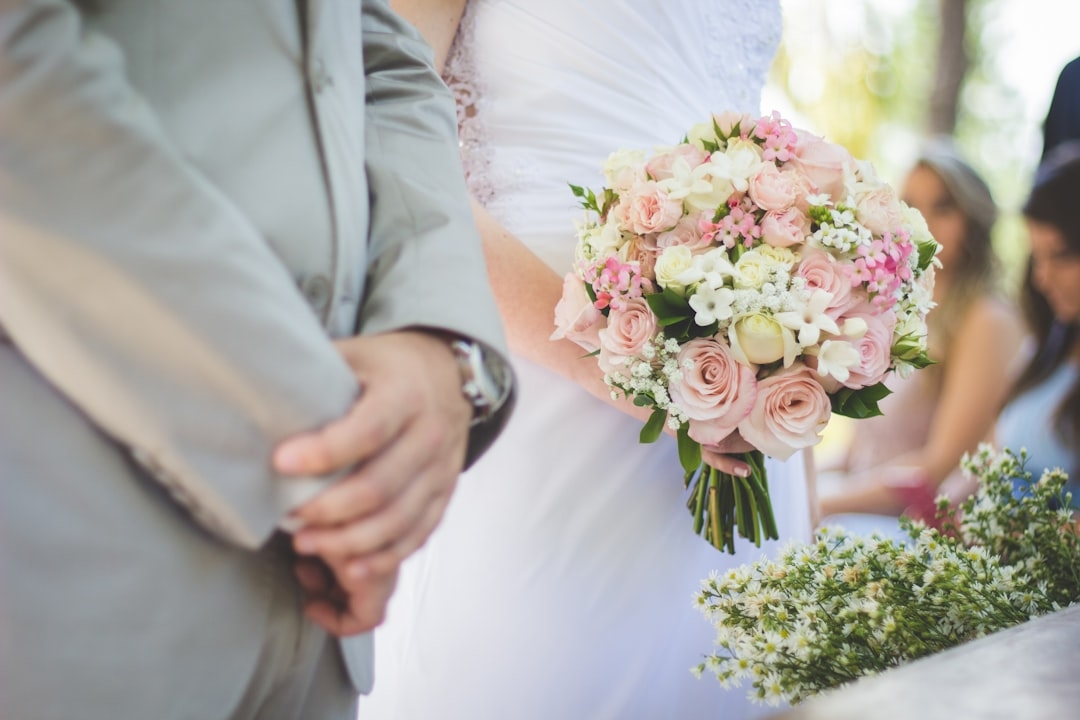
Most couples make the mistake of shopping by aesthetic first. The smarter move: calculate how many stems you actually need before comparing services. A standard 8-inch round centerpiece with a lush look requires 20–30 stems. Multiply by table count, add bouquets, boutonnieres, and ceremony arch flowers, and you’ll have a real number. Once you know your volume, the right service usually picks itself — Global Rose for 500+ stems of roses, FiftyFlowers for 200 stems of mixed varieties, BloomNation if you need someone else to do the arranging.
Factor In Your Regional Logistics
Delivery timing and flower condition vary by geography more than any service will admit upfront. Northeast winters are the harshest on fresh flower shipments — cold snaps during transit can damage tropical varieties like anthuriums or birds of paradise. Order cold-hardy flowers (roses, carnations, chrysanthemums) if you’re in a northern state and your event is between November and March. Southern summers (Texas, Georgia, Florida) present the opposite problem: heat stress during the last-mile delivery leg, especially for peonies and ranunculus. West Coast couples generally have the easiest time — milder transit conditions and faster access to California distribution points mean fresher arrivals across most services.
Know Your DIY Skill Level Honestly
Wholesale flowers need conditioning: re-cutting stems at a 45-degree angle, stripping lower leaves, and hydrating in clean buckets for 24–48 hours before arranging. If this is new territory, budget an extra day for learning. FiftyFlowers and Bouqs offer free online tutorials. If you’ve never arranged flowers before and your wedding is in 6 weeks, BloomNation’s local florist connection is worth the higher price for the reduced stress alone.
Timing: Order Earlier Than You Think
Peak wedding season (May–October) strains every service’s farm supply. For summer weddings, lock in your order at least 6–8 weeks out. For spring peonies specifically — one of the most requested and supply-constrained flowers — 10–12 weeks is safer. Most services allow date-specific delivery windows; use them. Flowers that arrive more than 5 days before your event risk aging past their peak, while anything under 2 days doesn’t leave conditioning time.
Common Mistakes to Avoid
- Ordering exact quantities: Always add 15–20% overage. Stems break, some don’t open, and you’ll use more than your plan estimates.
- Ignoring the conditioning window: Flowers need 24–48 hours in water before they’re arrangement-ready. Build this into your event timeline.
- Picking seasonal mismatches: Peonies in August or tulips in July are expensive or unavailable. Use in-season flowers — your budget will thank you, and the blooms will last longer.
- Not reading substitution policies: Peak season shortages trigger substitutions. Know what your service will swap before it becomes a wedding-day surprise.
- Skipping a test order: If budget allows, order a small test batch 8–10 weeks before the wedding. You’ll learn how your service handles transit and whether the stems match expectations.
- Forgetting greenery: Filler and greenery (eucalyptus, ferns, ruscus) dramatically extend your stem count at low cost — $0.40–$0.80/stem — and make arrangements look full without expensive focal flowers.
FAQ: Budget Wedding Flower Delivery
How far in advance should I order wedding flowers online?
For most online services, order 6–8 weeks before a summer or fall wedding. Specify a delivery date 2–3 days before your event to allow time for conditioning. High-demand flowers like peonies may require 10–12 weeks of lead time during peak spring season.
Can I really save money ordering flowers online vs. a local florist?
Yes — typically 40–60% less per stem through wholesale-direct services like Global Rose or Floralara. The tradeoff is labor: you or someone in your party handles conditioning and arranging. For a 100-guest wedding, the savings can easily reach $1,000–$2,500 compared to a full-service florist.
What flowers are the best value for weddings on a budget?
Spray roses, carnations, alstroemeria, and chrysanthemums deliver the most visual impact per dollar, typically $0.80–$1.50 per stem. Supplemented with eucalyptus or fern greenery ($0.40–$0.80/stem), these can produce full, professional-looking arrangements without expensive focal flowers.
Do online flower delivery services guarantee freshness for weddings?
Most reputable services offer a 5–7 day freshness guarantee from delivery date. FiftyFlowers and The Bouqs Co. have published policies promising replacements or refunds if flowers arrive in poor condition. Always photograph flowers immediately upon delivery if quality is below expectations — you’ll need documentation to file a claim.
Is the best budget wedding flower delivery different by region?
Yes. West Coast customers generally receive fresher flowers due to proximity to major distribution hubs. Northeast winter orders should stick to cold-hardy varieties. Southern summer weddings should prioritize services with expedited or overnight shipping options to minimize heat exposure during transit.
Where to Go From Here
Pick one service, place a test order with a small bundle, and get your hands on actual stems before you commit to a 500-stem wedding order. No amount of reading replaces the experience of re-cutting roses at 5 a.m. the day before your rehearsal dinner and realizing your buckets are too small. Start with FiftyFlowers if you want variety and guidance, Global Rose if you want the lowest per-stem cost on roses, or BloomNation if you want a local pro without paying full studio rates. The best budget wedding flower delivery is the one that matches your skill level, timeline, and how much of your own sweat equity you’re willing to invest in the process.
+ There are no comments
Add yours