Contents:
- Why Native Wildflowers Are Different From Ornamental Varieties
- The Difference Between Native, Naturalized, and Invasive
- Understanding US Hardiness Zones for Native Wildflower Gardening
- Key Native Wildflowers by Hardiness Zone
- Regional Guide to Native Wildflower Gardening Across the US
- Northeast: Shaded Woodlands and Rocky Soils
- Southeast: Heat, Humidity, and Long Growing Seasons
- Midwest and Great Plains: Prairie Roots
- West Coast: Mediterranean Climates and Dry Summers
- Southwest and Desert Southwest: Arid Beauty
- How to Start a Native Wildflower Garden: Step-by-Step
- Step 1: Site Assessment
- Step 2: Remove Existing Vegetation
- Step 3: Choose Between Seeds and Transplants
- Step 4: Planting Timing by Region
- Step 5: First-Year Watering
- The Ecology of a Native Wildflower Garden
- Supporting Pollinators with Native Blooms
- Native Flowers and Monarch Butterfly Conservation
- Sustainability and Eco-Friendly Practices in Wildflower Gardening
- Native Wildflowers for Cut Flower Arrangements and Events
- Best Native Cut Flowers by Season
- Conditioning Native Cut Flowers
- Common Problems and How to Solve Them
- Poor Germination from Seed
- Weeds Overrunning Young Wildflowers
- Deer and Rabbit Pressure
- Frequently Asked Questions About Native Wildflower Gardening
- What is the easiest native wildflower to grow in the US?
- How long does it take for a wildflower meadow to establish?
- Can I grow native wildflowers in containers?
- Are native wildflowers the same as wildflower seed mixes sold in stores?
- Do native wildflowers need fertilizer?
- Planning Your Native Wildflower Garden This Season
Native wildflower gardening in the US has roots stretching back centuries before the first seed catalog was ever printed. When European settlers arrived in North America, they encountered Indigenous communities who had cultivated relationships with the land’s native flora for thousands of years — using coneflowers for medicine, black-eyed Susans as dye plants, and milkweed for cordage and food. Today, that same ecological intelligence is driving one of the most significant shifts in American horticulture: the return to planting what belongs here.
This guide covers everything you need to grow a thriving wildflower garden — from soil preparation and regional plant selection to long-term maintenance and ecological impact. Whether you’re restoring a backyard, planning a meadow, or sourcing blooms for a special occasion, native plants offer a resilience and beauty that no cultivar can fully replicate.
Why Native Wildflowers Are Different From Ornamental Varieties
Native wildflowers are species that evolved naturally in a specific region without human introduction. They have co-evolved with local soils, rainfall patterns, insects, and wildlife over thousands of years. That evolutionary history makes them fundamentally different from exotic ornamentals, which are often bred for appearance at the expense of ecological function.
A non-native flower like Rudbeckia hirta cultivars labeled “Indian Summer” may look similar to a wild black-eyed Susan, but it can produce sterile pollen — useless to native bees. The wild type, by contrast, supports over 17 species of specialist bees. This distinction matters enormously when you’re building a garden that does more than look pretty.
Native wildflowers also require significantly less input once established. The Lady Bird Johnson Wildflower Center estimates that native landscapes use up to 75% less water than traditional turf lawns. They rarely need fertilizer because they’re adapted to regional soil chemistry. Pest pressure is generally lower, too, because native predatory insects help maintain balance.
The Difference Between Native, Naturalized, and Invasive
These terms are frequently confused, and the confusion can lead to poor planting choices.
- Native: Occurs naturally in a specific region with no human introduction. Examples include wild bergamot (Monarda fistulosa) in the Midwest and California poppy (Eschscholzia californica) along the West Coast.
- Naturalized: A non-native species that has established itself without ongoing human help, but isn’t causing documented ecological harm. Queen Anne’s lace (Daucus carota) is a common example — European in origin, now widespread across the US.
- Invasive: A non-native species that spreads aggressively and displaces native plants. Purple loosestrife (Lythrum salicaria) is a well-known offender in wetland environments.
When sourcing plants for a native garden, always verify the species name against a regional database like the USDA PLANTS Database or your state’s native plant society list.
Understanding US Hardiness Zones for Native Wildflower Gardening
The USDA Plant Hardiness Zone Map divides the US into 13 zones based on average annual minimum winter temperatures. Zones range from Zone 1 (interior Alaska, minimum temperatures below -60°F) to Zone 13 (parts of Hawaii and Puerto Rico, minimum temperatures above 60°F). Most of the continental US falls between Zones 3 and 10.
Hardiness zones tell you which plants will survive winter in your area — but they don’t tell the whole story. Heat tolerance, humidity, soil type, and rainfall patterns are equally important. The American Horticultural Society publishes a companion Heat Zone Map that tracks the number of days per year above 86°F, a threshold at which many plants experience heat stress. Using both maps together gives a much more accurate picture of plant suitability.
Key Native Wildflowers by Hardiness Zone
Here’s a quick reference for some of the most reliable native wildflowers across major zone groupings:
- Zones 3–4 (Northern Plains, Upper Midwest, Northern New England): Prairie smoke (Geum triflorum), pasque flower (Pulsatilla patens), wild lupine (Lupinus perennis)
- Zones 5–6 (Midwest, Mid-Atlantic, Pacific Northwest lowlands): Purple coneflower (Echinacea purpurea), wild columbine (Aquilegia canadensis), blue wild indigo (Baptisia australis)
- Zones 7–8 (Southeast, Southern Plains, Piedmont, Pacific Coast): Black-eyed Susan (Rudbeckia hirta), swamp rose mallow (Hibiscus moscheutos), fire pink (Silene virginica)
- Zones 9–10 (Gulf Coast, Southern California, Central Valley): Texas bluebonnet (Lupinus texensis), desert marigold (Baileya multiradiata), California fuchsia (Epilobium canum)
Regional Guide to Native Wildflower Gardening Across the US
The United States spans six major ecological regions, each with distinct soil profiles, precipitation patterns, and native plant communities. What works beautifully in the Pacific Northwest may fail entirely in the Southeast. Regional alignment is the single most important factor in native wildflower success.
Northeast: Shaded Woodlands and Rocky Soils
The Northeast — stretching from Maine to northern Virginia and west to Ohio — is characterized by glaciated soils, acidic pH levels (typically 5.5–6.5), and significant shade from deciduous forest canopy. Native wildflowers here evolved to thrive in dappled light and cool, moist conditions.
Top performers include Virginia bluebells (Mertensia virginica), which bloom in April and May before tree canopy closes overhead, and bloodroot (Sanguinaria canadensis), one of the earliest spring ephemerals. For sunny spots, butterfly weed (Asclepias tuberosa) and New England aster (Symphyotrichum novae-angliae) provide color from midsummer through frost. New England aster is also a critical late-season food source for monarch butterflies preparing for their migration to Mexico.
Southeast: Heat, Humidity, and Long Growing Seasons
The Southeast presents both opportunities and challenges. Long growing seasons — often 250 days or more in Georgia and Florida — allow for extended bloom windows, but high heat and humidity create disease pressure that kills plants suited to drier climates. Soil drainage is critical; many native southeastern wildflowers die in waterlogged conditions.
Native choices that thrive here include coreopsis (Coreopsis lanceolata), which is so emblematic of Florida it’s the official state wildflower, as well as obedient plant (Physostegia virginiana), swamp milkweed (Asclepias incarnata), and native blue-eyed grass (Sisyrinchium angustifolium). The Southeast is also one of the only regions where native azaleas — particularly flame azalea (Rhododendron calendulaceum) — can be grown as flowering shrubs alongside wildflower plantings.
Midwest and Great Plains: Prairie Roots
The original tallgrass prairie once covered over 170 million acres of the central United States. Today, less than 4% of that original prairie remains, making Midwestern wildflower gardening an act of ecological restoration as much as horticulture. Prairie native wildflowers evolved in deep, fertile soils with full sun and periodic drought.
The prairie palette is rich: rattlesnake master (Eryngium yuccifolium), purple prairie clover (Dalea purpurea), prairie blazing star (Liatris pycnostachya), and wild bergamot (Monarda fistulosa) are all prairie staples. These plants often have root systems extending 10–15 feet deep, which is why they’re extraordinarily drought-tolerant once established but slow to show aboveground growth in their first year.
West Coast: Mediterranean Climates and Dry Summers
California and the Pacific Coast present a Mediterranean climate — wet winters, dry summers — that demands native plants adapted to summer drought. Many gardeners make the mistake of watering California natives through summer, which can cause root rot in species that evolved to go dormant in dry conditions.
California poppy (Eschscholzia californica) is the iconic choice: it self-seeds reliably, tolerates poor soil, and blooms from February through May in coastal areas. Clarkia (Clarkia unguiculata), farewell-to-spring (Clarkia amoena), and globe gilia (Gilia capitata) form a complementary spring annual palette. For perennials, Cleveland sage (Salvia clevelandii) and blue-eyed grass (Sisyrinchium bellum) provide structure through the dry season.
Southwest and Desert Southwest: Arid Beauty
The Sonoran, Mojave, and Chihuahuan deserts are home to some of North America’s most spectacular wildflower displays. Desert annuals like Arizona poppy (Kallstroemia grandiflora) and Mexican gold poppy (Eschscholzia mexicana) germinate in response to specific rainfall thresholds — typically 1 inch of rain in autumn — producing the famous “superbloom” events that attract visitors from around the world.
For predictable, season-long color in desert gardens, desert marigold (Baileya multiradiata) blooms nearly year-round in Zones 7–10 and requires virtually no supplemental water once established. Penstemons — particularly desert penstemon (Penstemon pseudospectabilis) and firecracker penstemon (Penstemon eatonii) — attract hummingbirds and provide vivid reds and pinks from February through April.
How to Start a Native Wildflower Garden: Step-by-Step
Starting a native wildflower garden differs meaningfully from planting a conventional flower bed. The process front-loads preparation and patience, but rewards that investment with a garden that largely sustains itself over time.
Step 1: Site Assessment
Before selecting any plants, observe your site through a full seasonal cycle if possible — or at minimum, track sun patterns for two weeks. Measure how many hours of direct sun the area receives (full sun = 6+ hours, part shade = 3–6 hours, full shade = under 3 hours). Test soil pH using an inexpensive kit from any garden center; most native wildflowers prefer a range of 6.0–7.0, though woodland species often prefer 5.5–6.5.
Assess drainage by digging a hole 12 inches deep, filling it with water, and measuring how quickly it drains. If the hole retains water for more than 4 hours, you have poor drainage — and should select natives adapted to wet conditions, like swamp milkweed or cardinal flower (Lobelia cardinalis).
Step 2: Remove Existing Vegetation
This step is where most native wildflower projects fail. Existing turf grass and weeds compete aggressively with young wildflower seedlings. The two most effective removal methods are solarization (covering soil with clear plastic for 6–8 weeks during summer) and smothering (thick cardboard topped with 4–6 inches of wood chip mulch). Both approaches avoid tilling, which brings dormant weed seeds to the surface.
Avoid using non-selective herbicides like glyphosate in areas where you’ll be establishing habitat gardens — the soil disruption and residual effects can harm the invertebrate communities you’re trying to attract.
Step 3: Choose Between Seeds and Transplants
Seeds are dramatically cheaper — a 1-ounce packet of mixed prairie wildflower seed covering 200 square feet typically costs $8–$15 — but require more patience. Most native perennial wildflowers take 2–3 years to bloom from seed. Transplants bloom in year one or two and give you greater control over species composition, but a single 4-inch pot of coneflower or milkweed typically runs $5–$12 at native plant nurseries.
For large meadow restorations (1,000 square feet or more), direct seeding is almost always the practical choice. For smaller garden beds or precise planting designs, transplants offer better results.
Step 4: Planting Timing by Region
- Northeast and Midwest: Fall seeding (September–November) allows seeds to cold-stratify naturally over winter, mimicking their evolutionary germination triggers. Spring transplanting after last frost (typically April–May) works well for plugs.
- Southeast: Fall is ideal for both seeding and transplanting, allowing root establishment before summer heat. Spring planting is possible but requires more supplemental water.
- West Coast and Southwest: Seed California natives in October–November to coincide with winter rains. Plant desert species in September–October to allow establishment before summer drought.
Step 5: First-Year Watering
Even drought-tolerant natives need supplemental water during establishment — typically the first growing season. Water newly seeded areas lightly every 2–3 days until seedlings reach 3 inches tall, then taper to once weekly. Transplants need weekly deep watering (1 inch) for the first 8–12 weeks. After that, most native wildflowers thrive on natural rainfall alone in their adapted regions.
The Ecology of a Native Wildflower Garden
A well-designed native wildflower garden functions as a functional ecosystem, not just an aesthetic space. The ecological relationships it supports are what make native gardening qualitatively different from conventional planting.
Supporting Pollinators with Native Blooms
North America is home to approximately 4,000 native bee species, the vast majority of which are solitary ground-nesting bees that never sting and are more efficient pollinators than honey bees for many native plants. Many of these specialists require specific native plants: the southeastern blueberry bee (Habropoda laboriosa) pollinates only blueberry and related species; the squash bee (Peponapis pruinosa) visits only cucurbits and their native relatives.
Planting for bloom succession — ensuring something is flowering from early spring through late fall — is the most impactful single strategy for supporting native pollinators. A garden that blooms from March through October will support 3–5 times more pollinator species than one that peaks only in midsummer.
Native Flowers and Monarch Butterfly Conservation
Monarch butterfly populations have declined by approximately 80% since the 1980s, with milkweed loss cited as the primary driver. Milkweed (Asclepias spp.) is the only plant on which monarchs will lay eggs and the only food source for their caterpillars. Planting any native milkweed species — common milkweed (Asclepias syriaca) in the East, showy milkweed (Asclepias speciosa) in the West, butterfly weed (Asclepias tuberosa) across most zones — directly addresses this crisis.
Note: Tropical milkweed (Asclepias curassavica), commonly sold at big-box garden centers, is non-native and can interfere with monarch migration when left standing through winter in warm climates. Stick to native milkweed species appropriate to your region.
Sustainability and Eco-Friendly Practices in Wildflower Gardening
Native wildflower gardening is inherently more sustainable than conventional gardening, but there are specific practices that amplify the environmental benefit.
Leave the leaves. Fallen leaves provide overwintering habitat for 94% of moth and butterfly species, which pupate in leaf litter. Removing leaves in fall eliminates this habitat. Instead, rake leaves to the base of shrubs or into garden beds as mulch.
Skip the deadheading. Seed heads left standing through winter feed goldfinches, chickadees, and sparrows. Purple coneflower, black-eyed Susan, and prairie blazing star all produce seed heads that provide food from October through March. Deadheading may encourage more blooms, but it eliminates this wildlife value.
Avoid pesticides entirely. Native wildflower gardens rarely need them — and pesticides including “organic” options like pyrethrin are broadly toxic to beneficial insects. If pest pressure is significant in the first year of establishment, hand-remove pests or use targeted interventions like insecticidal soap on specific infestations only.
Source ethically. Wild-collected plants — native wildflowers dug from natural populations and sold at some markets — are a serious conservation problem. Always purchase nursery-propagated plants, and ask vendors directly whether their stock is nursery-grown or wild-collected. Reputable native plant nurseries will answer this question without hesitation.
🌿 What the Pros Know
Professional restoration ecologists rarely plant in straight lines or organized blocks. Instead, they use “plug planting” — inserting native transplants randomly into a prepared seed bed at a density of 1 plant per 2 square feet, then broadcasting a cover of fast-germinating native annuals like partridge pea (Chamaecrista fasciculata) or annual coreopsis (Coreopsis tinctoria) between them. The annuals provide first-year color and suppress weeds while the slower perennials establish their root systems. By year three, the perennials dominate and the annuals self-select out. It’s a layered succession strategy that mimics natural meadow dynamics — and produces far more stable gardens than rigid spacing plans.
Native Wildflowers for Cut Flower Arrangements and Events
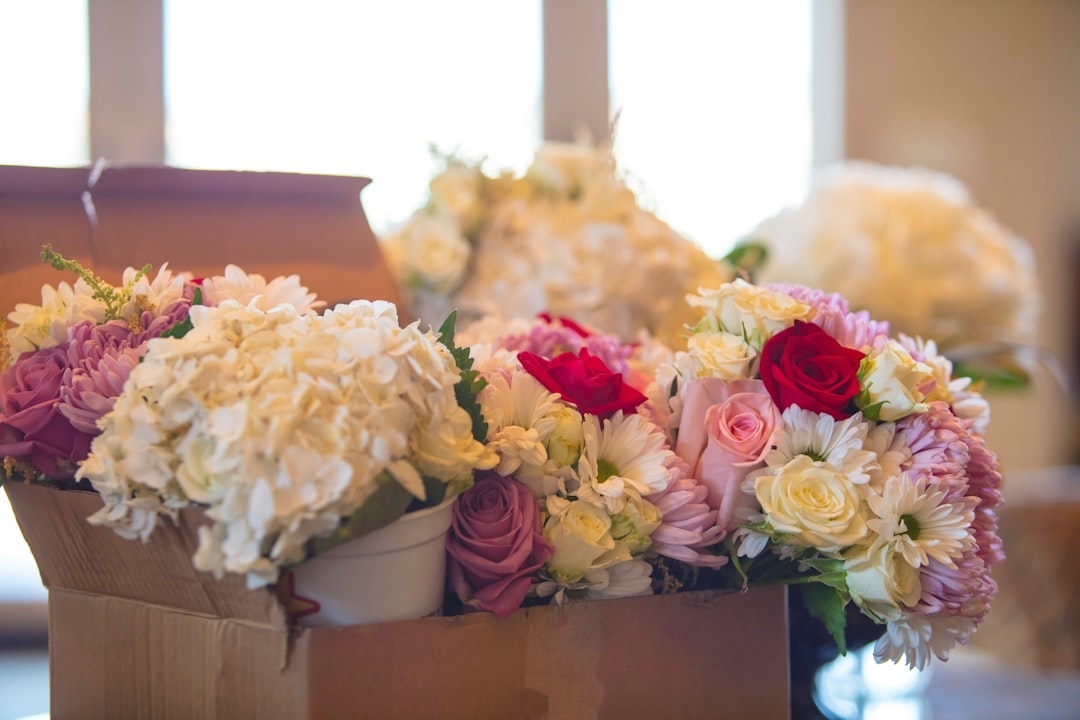
Native wildflowers are increasingly sought after for weddings, events, and seasonal arrangements, valued for their textural interest, ecological story, and regional authenticity. They’re also genuinely long-lasting in the vase — black-eyed Susans and coneflowers regularly hold for 7–10 days with proper conditioning.
Best Native Cut Flowers by Season
- Spring (March–May): Wild blue phlox (Phlox divaricata), native columbine (Aquilegia canadensis), Virginia bluebells (Mertensia virginica)
- Early Summer (June–July): Butterfly weed (Asclepias tuberosa), prairie blazing star (Liatris spicata), wild bergamot (Monarda fistulosa)
- Late Summer (August–September): Purple coneflower (Echinacea purpurea), black-eyed Susan (Rudbeckia hirta), tall goldenrod (Solidago altissima)
- Fall (October–November): New England aster (Symphyotrichum novae-angliae), ironweed (Vernonia fasciculata), native sunflowers (Helianthus spp.)
Conditioning Native Cut Flowers
Cut stems early in the morning when temperatures are cool and plants are fully hydrated. Make cuts at a 45-degree angle with sharp, clean shears — blunt cuts crush the vascular tissue and shorten vase life. Immediately place cut stems in cool water and move them to a shaded, cool location for 2–4 hours before arranging. Remove any foliage that will sit below the waterline, as decomposing leaves accelerate bacterial growth that clogs stems.
Flowers with milky sap — including butterfly weed and other milkweeds — benefit from searing the cut end with a flame for 3–5 seconds immediately after cutting. This seals the latex and dramatically extends vase life.
Common Problems and How to Solve Them
Poor Germination from Seed
Most native wildflower seed failures trace back to inadequate seed-to-soil contact or improper stratification. After broadcasting seed, tamp the soil firmly — either with a lawn roller or by walking over the area repeatedly — so seeds make direct contact with soil particles. Prairie species like purple coneflower require 60–90 days of cold moist stratification; if sowing in spring, refrigerate seed in moist sand for 8 weeks before planting.
Weeds Overrunning Young Wildflowers
In the first year, native seedlings are frequently outcompeted by annual weeds. The best defense is preparation: removing existing vegetation thoroughly before planting and avoiding any tillage that brings weed seeds to the surface. Hand-weeding during the first 8 weeks after germination is essential. Learn to identify your native seedlings early — most have distinctive cotyledon shapes that differ from common weeds — so you’re not pulling the very plants you’re trying to establish.
Deer and Rabbit Pressure
Deer browsing is a serious challenge in suburban and rural areas. The most deer-resistant native wildflowers include wild bergamot, prairie blazing star, black-eyed Susan, and most native grasses. Highly browsed species include wild columbine, phlox, and native coneflowers. Physical exclusion fencing at least 8 feet tall is the only fully reliable solution in high-pressure deer areas; commercial repellent sprays (rotating between products to prevent habituation) offer moderate protection.
Frequently Asked Questions About Native Wildflower Gardening
What is the easiest native wildflower to grow in the US?
Black-eyed Susan (Rudbeckia hirta) is widely considered the most adaptable native wildflower in the continental US. It tolerates full sun to part shade, poor to moderately fertile soil, and grows reliably in Zones 3–9. It blooms in its first year from seed when sown in early spring and self-sows readily to naturalize over time.
How long does it take for a wildflower meadow to establish?
A native wildflower meadow typically takes 3 years to reach full maturity. In year one, the focus is root development — most perennials will show modest foliage but little bloom. Year two brings more substantial flowering as root systems expand. By year three, the plant community is largely self-sustaining, with established perennials filling in and self-seeding annuals cycling naturally.
Can I grow native wildflowers in containers?
Yes, though with limitations. Native wildflowers with compact root systems — such as prairie blazing star, native columbines, and black-eyed Susans — adapt reasonably well to large containers (15 gallons or more). Deep-rooted prairie species like wild bergamot and butterfly weed struggle in containers because their root systems evolved to reach several feet deep. All container-grown natives require more frequent watering than in-ground plants.
Are native wildflowers the same as wildflower seed mixes sold in stores?
Not usually. Many commercial “wildflower seed mixes” sold at garden centers and hardware stores contain non-native species — commonly Shirley poppies, bachelor’s buttons, and baby’s breath — alongside or instead of true North American natives. Always read the species list on the packet. Look for mixes from native plant-focused suppliers that list the scientific name and native range of every included species.
Do native wildflowers need fertilizer?
In most cases, no. Native wildflowers evolved in unamended soils and perform best in low to moderate fertility conditions. Adding nitrogen-rich fertilizer typically produces lush, floppy foliage at the expense of flowers and can give competitive weeds an advantage. The one exception: if your soil is extremely compacted or degraded (such as former construction fill), a single application of compost worked into the top 4 inches before planting can improve establishment without the negative effects of synthetic fertilizers.
Planning Your Native Wildflower Garden This Season
The best time to start planning is right now — regardless of the season. Fall is ideal for soil preparation and direct seeding in most of the country. Spring is the window for transplants and spring-sown annuals. Summer is the time to observe, document what’s working, and order seed and plugs for fall installation.
Start with a small area — even 100 square feet of prepared native planting will support dozens of pollinator species and teach you more about your specific site conditions than any book can. Expand each year as you learn which species thrive in your microclimate. Connect with your regional native plant society (most states have active chapters that host plant sales with locally sourced stock) for access to plants specifically suited to your county’s ecology.
Native wildflower gardening is not a trend. It’s a return to something the land already knows how to do. Your job is mostly to get out of the way — and choose the right plants to let it begin.
+ There are no comments
Add yours