
Contents:
- The Scale of American Flower Commerce
- Where It All Begins: The Growing Stage
- International Farm Origins and Why They Dominate
- Domestic Growers and the Farm-to-Vase Movement
- The US Flower Industry Supply Chain: Step-by-Step
- Step 1 — Harvest and Pre-Cooling on the Farm
- Step 2 — Packaging and Export Logistics
- Step 3 — Miami: The Gateway That Runs on Cold Air
- Step 4 — Wholesale Distribution Across the Country
- Step 5 — The Retail Florist and Mass Market Channels
- The Cold Chain: Why Temperature Is Everything
- A Story From the Supply Chain
- Sustainability and Ethical Sourcing in the Floral Supply Chain
- Certifications That Actually Mean Something
- The Carbon Footprint Reality
- Practical Tips for Buying Smarter in the Floral Market
- For Consumers
- For Beginning Florists and Flower Buyers
- The Future of the US Floral Supply Chain
- FAQ: US Flower Industry Supply Chain
- How long does it take for cut flowers to get from farm to consumer in the US?
- Why do most cut flowers sold in the US come from Colombia and Ecuador?
- What is the role of Miami in the US flower supply chain?
- How do I know if cut flowers were ethically sourced?
- What’s the difference between wholesale and retail flower pricing?
Have you ever held a bouquet of roses and wondered how something so delicate — grown thousands of miles away — arrived at your door still perfect, still fragrant, still alive? The answer involves a choreography of cold chains, cargo planes, auction houses, and skilled hands that most people never see. The us flower industry supply chain is one of the most complex, time-sensitive logistics systems in American commerce, and understanding it changes how you see every bloom you’ve ever bought.
⚡ Quick Answer
Most cut flowers sold in the US are imported — primarily from Colombia and Ecuador — and travel through a network of international farms, Miami-based importers, wholesale distributors, and local florists before reaching consumers. The entire journey from farm to vase typically takes 3 to 7 days, with temperature control being the single most critical factor at every stage.
The Scale of American Flower Commerce
The US floral industry generates roughly $13 billion in annual retail sales, making it one of the largest specialty retail categories in the country. Americans purchase an estimated 4 billion cut flower stems per year. Valentine’s Day alone accounts for over $2.3 billion in floral spending — more than 28% of the entire year’s volume compressed into a single week.
But here’s what surprises most people: the United States grows very few of the flowers it sells. Domestic production covers only about 20% of cut flower demand. The remaining 80% arrives via import, with Colombia supplying approximately 60% of all imported stems and Ecuador contributing another 15 to 18%. That’s a supply chain that spans continents, requires round-the-clock refrigeration, and operates on margins that would make most retailers nervous.
California dominates domestic production, accounting for nearly 75% of US-grown cut flowers. The state’s coastal climate — particularly the Salinas Valley and the area around Carpinteria — creates ideal year-round growing conditions. Other meaningful domestic production comes from Florida, Hawaii, and, increasingly, small regional farms in the Pacific Northwest catering to the farm-to-vase movement.
Where It All Begins: The Growing Stage
International Farm Origins and Why They Dominate
The Bogotá Savanna in Colombia sits at 8,500 feet above sea level. At that altitude, the combination of intense equatorial sunlight and cool temperatures produces roses with exceptional stem length, tight bud formation, and extended vase life — qualities that are nearly impossible to replicate at sea level. This geography, not just cheap labor, explains why Colombia became the world’s second-largest flower exporter and America’s primary supplier.
Ecuador’s advantage is different but equally compelling. Its farms, concentrated around Quito, produce roses with head diameters that regularly exceed 2.5 inches — the “garden rose” aesthetic that commands premium prices at US retail. Ecuadorian farms also produce significant volumes of gypsophila, carnations, and summer flowers like lisianthus and statice.
Dutch flower farms, while famous, supply a much smaller slice of the US market due to shipping distances. Their influence shows up more powerfully through the Amsterdam auction system, which sets global benchmark pricing that ripples back to Colombian and Ecuadorian growers.
Domestic Growers and the Farm-to-Vase Movement
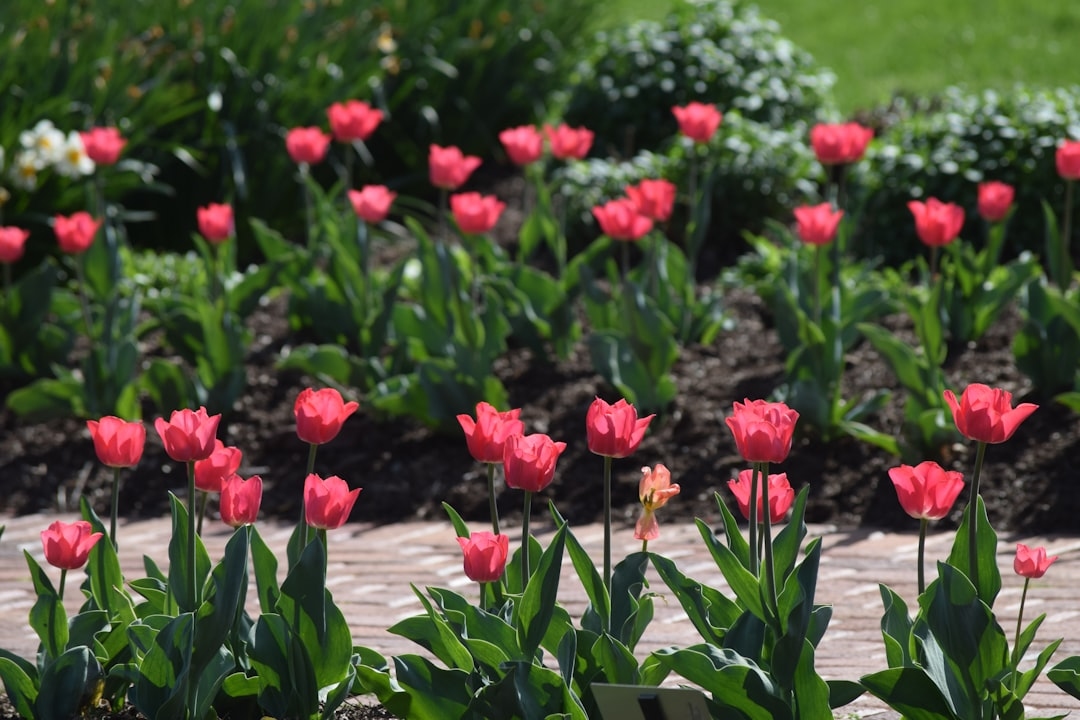
American flower farmers operate under a fundamentally different model. Rather than competing on volume, successful domestic growers differentiate on variety, locality, and seasonality. A farm in Skagit Valley, Washington, can grow tulip varieties unavailable from any South American supplier. A California ranunculus grower can offer colors and petal counts that no import program carries.
The Slow Flowers movement, formalized around 2012, has created a dedicated consumer segment willing to pay 30 to 50% more for verifiably local, seasonally appropriate blooms. For florists, the marketing value of “grown 40 miles away” has become a genuine competitive differentiator, particularly in urban markets like Seattle, Portland, and the entire Northeast corridor.
The US Flower Industry Supply Chain: Step-by-Step
Step 1 — Harvest and Pre-Cooling on the Farm
Cut flowers begin their journey the moment they’re harvested, which almost always happens before dawn. Cutting in the pre-dawn hours, when plant temperatures are lowest and stems are fully hydrated from overnight, maximizes cellular water content and delays the onset of ethylene production — the natural ripening gas that shortens vase life.
Within 30 to 90 minutes of cutting, stems must enter a hydration solution and pre-cool to between 34°F and 38°F. On Colombian rose farms, this happens in large hydration rooms where stems stand in temperature-controlled water containing biocide solutions that inhibit bacterial growth. Skipping or delaying this step can cost 2 to 3 days of vase life — a catastrophic loss in a product measured in days, not weeks.
Step 2 — Packaging and Export Logistics
Once pre-cooled, flowers are graded, bunched, sleeved in perforated polyethylene, and packed into cardboard boxes. A standard Colombian rose box holds 200 to 250 stems and weighs approximately 25 pounds. These boxes are engineered to maintain airflow around stems while minimizing movement damage during transport.
Bogotá’s El Dorado International Airport handles an extraordinary volume of perishable cargo — during peak seasons like Valentine’s Day and Mother’s Day, over 800 cargo flights depart carrying flowers in a single week. The proximity of Colombia’s flower-growing regions to El Dorado is not accidental; the entire agricultural geography of the Bogotá Savanna was shaped in part by export logistics.
Step 3 — Miami: The Gateway That Runs on Cold Air
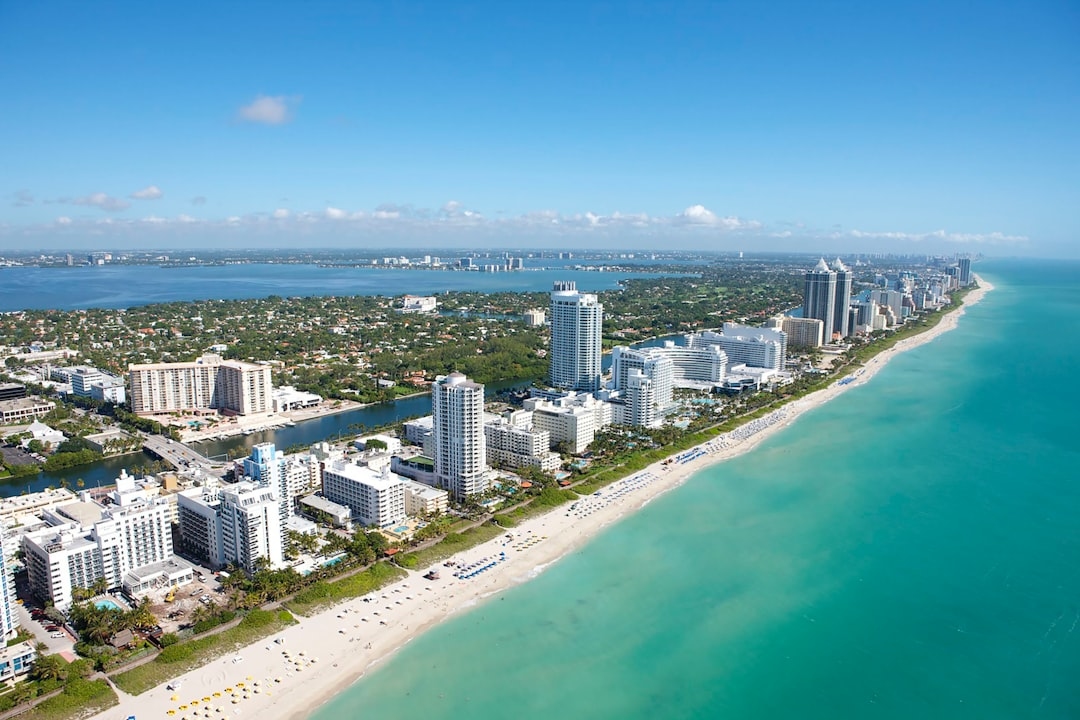
Miami International Airport is the single most important node in the American floral supply chain. Approximately 90% of all imported cut flowers entering the United States pass through MIA’s perishable cargo facilities. The airport maintains dedicated cold storage warehouses where USDA inspectors examine incoming shipments for pests, disease, and soil contamination before clearing them for domestic distribution.
Inspection times can range from 2 to 8 hours depending on volume and any flagged issues. During Valentine’s week, MIA processes upwards of 500 million stems in a 10-day window — a logistics feat that requires months of advance planning by importers and cargo coordinators.
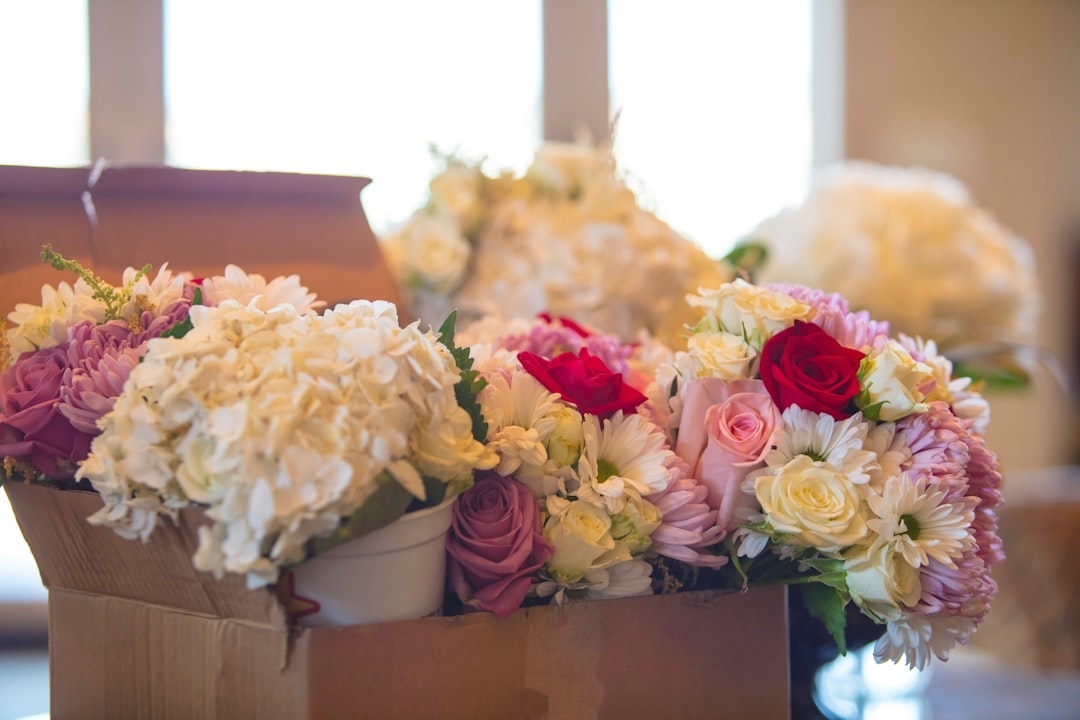
Once cleared, flowers move to importer warehouses where they’re often re-graded, re-hydrated, and repacked for domestic shipping. Major importers like Mayesh Wholesale Florist, International Wholesale Florist, and Sun Valley Floral maintain MIA-adjacent operations specifically to minimize time between customs clearance and cold-chain transfer.
Step 4 — Wholesale Distribution Across the Country
From Miami, flowers fan out across the country via refrigerated trucking and air freight. A New York florist might receive Colombian roses that left Bogotá 36 hours earlier. A Chicago wholesaler could have the same product after a 48-hour journey. Seattle adds another 12 to 24 hours on top of that.
American wholesale flower markets — the physical kind — still operate in many major cities. The Los Angeles Flower Market in downtown LA opens at 2:00 AM on weekdays, allowing florists to buy, return to their studios, and process inventory before the business day begins. The New York Flower Market on West 28th Street (the original “Flower District”) operates similarly, though its physical footprint has shrunk significantly as online wholesale platforms have grown.
Online wholesale has genuinely disrupted traditional distribution. Platforms like BloomNet, Florists’ Transworld Delivery (FTD), and direct-from-farm services like Mayesh’s online ordering system now allow florists in mid-size markets — Tulsa, Boise, Knoxville — to access variety and volume previously only available to buyers in gateway cities.
Step 5 — The Retail Florist and Mass Market Channels
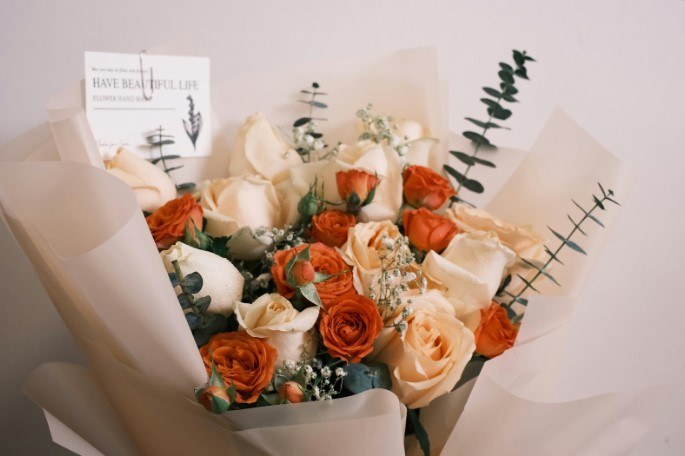
The final mile of the floral supply chain splits into two very different worlds. Independent retail florists handle design, custom arrangements, and event work. They typically operate on markup multipliers of 3x to 4x their wholesale cost — not because they’re overcharging, but because labor, studio overhead, and spoilage eat heavily into margins.
Mass market channels — grocery stores, big-box retailers, and gas station displays — operate on volume and turnover. A Costco floral department might sell 500 bouquets in a weekend at $19.99 each, achieving margins that a boutique florist could never replicate but also never aspiring to the creative work that makes independent florists irreplaceable for weddings and events.
Direct-to-consumer flower delivery services like 1-800-Flowers, Teleflora, and newer entrants like The Bouqs Company and UrbanStems have added another layer to retail distribution. The Bouqs, notably, ships directly from farm to consumer, bypassing wholesale entirely — a model that compresses the supply chain to as few as 4 to 5 days from harvest to doorstep.
🌸 What the Pros Know
Professional florists judge the quality of a wholesale shipment by checking three things immediately: stem-end color (white or light green = healthy; brown = bacterial buildup), leaf turgor (crisp and upright = well-hydrated), and petal firmness at the bud. A box that passes all three checks will typically perform 20 to 30% better in vase life than one that doesn’t — even if both look identical at first glance.
The Cold Chain: Why Temperature Is Everything
Every professional in the flower industry will tell you the same thing: flowers don’t die from aging, they die from temperature abuse. A rose maintained continuously at 36°F from harvest to vase can last 10 to 14 days. The same rose exposed to 65°F for just 4 hours during transit may last 5. The math is brutal and unforgiving.
The cold chain has specific requirements at each stage. Farms target 34°F to 38°F for initial cooling. Air cargo holds are maintained between 35°F and 45°F. Wholesale warehouses keep coolers at 38°F to 42°F. Retail florist coolers should run between 34°F and 38°F. And consumer refrigerators — the final holding environment for many flowers — are usually set too warm, around 37°F to 40°F for food safety, which is actually acceptable for most cut flowers except cold-sensitive tropicals like bird of paradise or anthuriums, which suffer chilling injury below 55°F.
Ethylene gas is the other invisible enemy. Produced naturally by ripening fruit, decaying plant material, and car exhaust, ethylene accelerates petal drop and bud abortion in sensitive species. Roses, carnations, and alstroemeria are highly ethylene-sensitive. Responsible wholesalers and retailers treat incoming stock with 1-methylcyclopropene (1-MCP), a commercial ethylene inhibitor sold under brand names like EthylBloc, which can extend sensitive flower vase life by 30 to 50%.
A Story From the Supply Chain
Maria runs a mid-size retail florist shop in suburban Philadelphia. For years, she ordered roses through a regional distributor who sourced from a Miami importer. She was satisfied — the product was consistent, pricing was predictable, and she could order Monday for Wednesday delivery.
Then one February, her regular distributor had a warehouse refrigeration failure two days before Valentine’s Day. Her entire order — 800 stems of red roses — arrived with bent necks and yellowing guard petals. The flowers looked fine in their sleeves. By the time she opened them Tuesday afternoon, she had 24 hours to either source replacements or cancel a third of her Valentine’s orders.
She drove to the Philadelphia Flower Market at 3:00 AM on February 13th, bought at spot prices that were nearly double her normal wholesale cost, and salvaged most of her orders. But the experience changed how she runs her business. She now maintains two wholesale relationships — her primary distributor and a direct account with a Miami importer she can call in emergencies — and she keeps a 15% buffer inventory of dried and preserved flowers that can fill gaps when fresh supply fails. “The supply chain is only invisible until it breaks,” she says. “After that, you never stop thinking about it.”
Sustainability and Ethical Sourcing in the Floral Supply Chain
Certifications That Actually Mean Something
Sustainability claims in the flower industry range from meaningful to purely cosmetic. The certifications worth knowing are specific. Rainforest Alliance certification requires farms to meet standards across environmental management, worker welfare, and community relations — audited by third parties annually. Fair Trade USA certification focuses specifically on labor conditions and requires a premium payment above market price that flows directly to worker communities.
Veriflora certification, developed in the US, applies to both domestic and imported flowers and covers pesticide reduction, water management, and worker safety. In 2026, the California Cut Flower Commission reported that over 60% of California-grown flowers were produced under some form of verified sustainability standard — a meaningful benchmark for buyers who prioritize sourcing ethics.
The Carbon Footprint Reality
It seems counterintuitive, but imported Colombian roses often have a lower carbon footprint than roses grown in heated Dutch greenhouses and then shipped to the US. A 2007 study by Cranfield University (widely cited and updated since) found that Colombian roses produced six times less CO₂ per stem than Dutch greenhouse roses when measured from farm gate to UK consumer — a finding that broadly applies to the US market context.
The calculation shifts, however, when comparing air-freighted imports to locally grown, non-refrigerated flowers sold within 200 miles of production. For consumers who prioritize carbon footprint above all other factors, regional farm-direct purchasing during appropriate growing seasons genuinely is the lowest-impact option.
Practical Tips for Buying Smarter in the Floral Market
For Consumers
- Buy from independent florists for events and gifts. You’re paying for expertise, not just flowers. A trained florist will select stems at the right stage of development for your event date.
- Ask about sourcing. Many independent florists now display farm certifications or origin information. If they can’t tell you where their flowers come from, that’s informative in itself.
- Avoid pre-made supermarket bouquets on Mondays. Grocery stores typically receive floral deliveries midweek. Monday product has often been sitting since Thursday or Friday.
- Re-cut stems at a 45-degree angle immediately before placing in a clean vase with fresh water. This single step, which takes 60 seconds, can add 2 to 3 days of vase life by reopening stem vessels closed by air during transport.
- Keep flowers away from fruit bowls. Ethylene from ripening bananas and apples is genuinely damaging to cut flowers — not folklore.
For Beginning Florists and Flower Buyers
- Establish a wholesale account early. Most wholesale markets require a business license, but the price difference — typically 40 to 60% below retail — makes the paperwork worthwhile even for small operations.
- Learn seasonal availability before planning purchases. Peonies peak in May and June. Sunflowers are abundant July through September. Planning events around seasonal availability dramatically improves both quality and cost.
- Understand minimum orders. Most wholesale importers have minimum order requirements of $150 to $500 per shipment. Smaller florists often consolidate orders with nearby colleagues to meet minimums while maintaining variety.
- Track your waste percentage. Professional florists aim to keep stem waste below 8 to 12%. If you’re regularly discarding 20% or more, either your ordering quantities are off or your storage conditions need work.
The Future of the US Floral Supply Chain
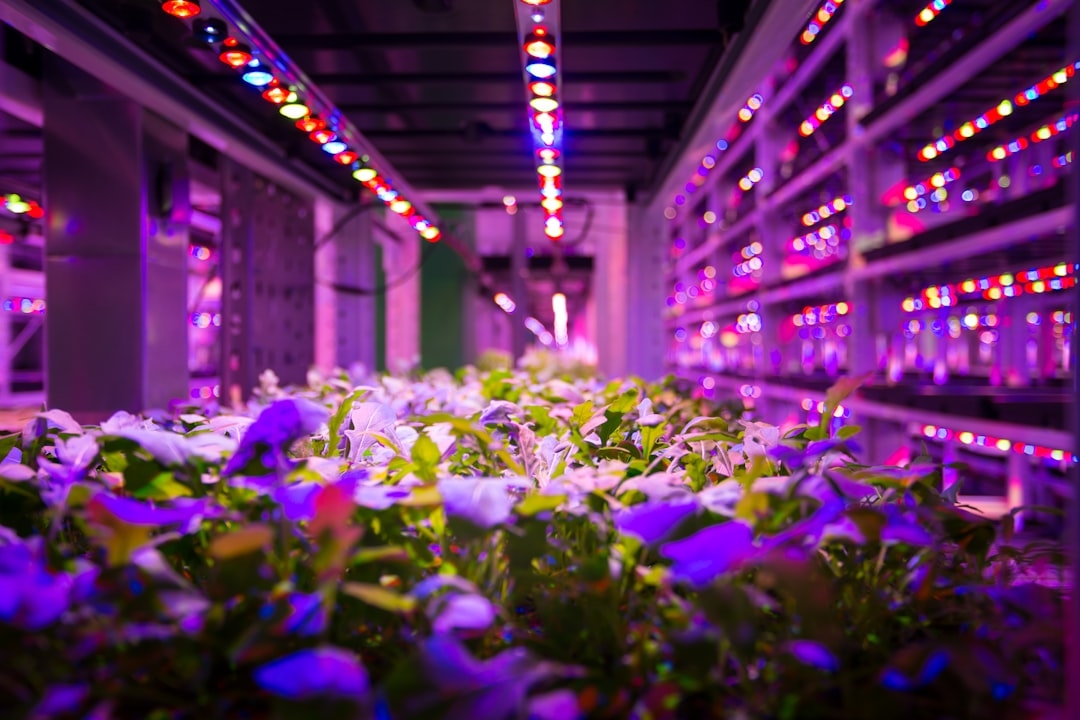
Several forces are reshaping how flowers move from farm to consumer. Vertical farming technology, which has transformed lettuce and herb production, is beginning to reach specialty cut flowers — though the economics remain challenging for high-stem-count crops like roses. Los Angeles-based startup Gotham Greens and others have begun limited-run floral programs, but commercial-scale vertical flower farming is likely 5 to 10 years away from meaningful market penetration.
Blockchain-based provenance tracking is gaining traction among premium importers. Systems that log temperature, location, and handling at every supply chain node are moving from pilot programs to commercial deployment, allowing retailers to offer consumers verifiable farm-to-vase transparency for the first time.
Climate change is already disrupting traditional growing regions. Increasingly erratic rainfall patterns in Colombia’s Cundinamarca department — home to the densest concentration of flower farms on Earth — have forced investment in irrigation infrastructure and shade netting that would have been unnecessary a decade ago. Some growers are relocating production to higher elevations, and researchers at Colombia’s National Flower Growers Association (Asocolflores) are developing drought-tolerant rose rootstocks that may redefine what Colombian growing looks like by 2035.
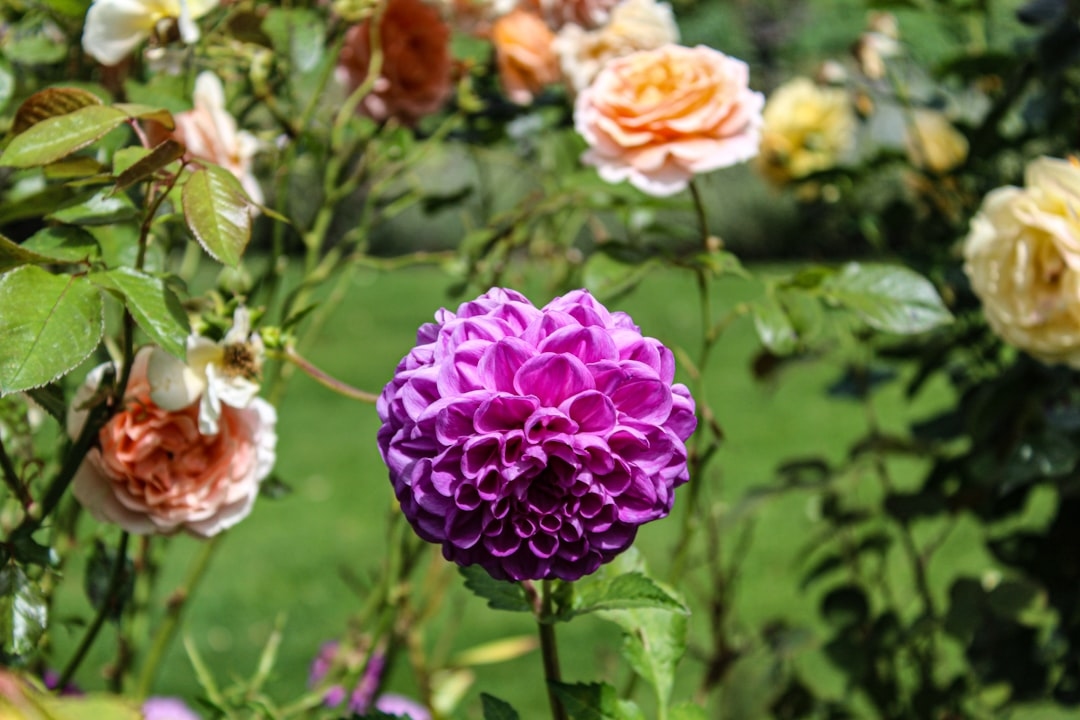
Meanwhile, consumer preferences are shifting toward “imperfect” and heirloom varieties — garden roses with loosely cupped blooms, dahlias with variable coloring, ranunculus with slightly irregular petal counts. These varieties are harder to standardize and ship, but they command premium prices and speak to a growing desire for authenticity that the conventional supply chain was never designed to deliver.
FAQ: US Flower Industry Supply Chain
How long does it take for cut flowers to get from farm to consumer in the US?
Most imported cut flowers take 3 to 7 days to travel from farm to consumer. Colombian roses are typically cut, pre-cooled, packed, flown to Miami, cleared through customs, distributed to wholesalers, and delivered to retail florists within 72 to 96 hours. Domestic flowers from California can reach consumers in 24 to 48 hours. Direct-to-consumer farm-shipping services can compress the timeline to as few as 4 days from harvest to doorstep.
Why do most cut flowers sold in the US come from Colombia and Ecuador?
Colombia and Ecuador offer a combination of high-altitude growing conditions (which produce exceptional stem quality), year-round equatorial sunlight, proximity to Miami’s cargo infrastructure, and labor costs significantly lower than US domestic production. Colombia’s Bogotá Savanna and Ecuador’s Andean highlands produce flower quality — particularly in roses — that rivals or exceeds anything achievable in California at comparable cost.
What is the role of Miami in the US flower supply chain?
Miami International Airport serves as the primary entry point for approximately 90% of all imported cut flowers entering the United States. The airport’s perishable cargo facilities handle USDA inspection, cold storage, and rapid distribution to domestic wholesalers. During peak holiday periods like Valentine’s Day, MIA processes hundreds of millions of stems in a single week.
How do I know if cut flowers were ethically sourced?
Look for third-party certifications including Rainforest Alliance, Fair Trade USA, or Veriflora on packaging or supplier documentation. Ask your florist directly — reputable shops increasingly track and display farm sourcing information. Direct-to-consumer services like The Bouqs Company publish specific farm partnerships. For maximum assurance, purchasing from certified local growers at farmers markets provides the most direct supply chain visibility.
What’s the difference between wholesale and retail flower pricing?
Wholesale prices for cut flowers are typically 40 to 60% lower than retail prices. Retail markup covers florist labor, studio overhead, cooler operation, spoilage, design expertise, and delivery. A wholesale rose stem that costs $0.50 to $0.80 from a distributor might retail for $2.00 to $3.50 in a designed arrangement. Mass market channels like grocery stores achieve lower retail prices through volume purchasing and simplified design, not by paying less at wholesale.
The us flower industry supply chain is a story about time, temperature, and the remarkable human effort required to move one of nature’s most fragile products across continents without losing its beauty. Every arrangement on every table arrived via a chain of decisions made by farmers, cargo handlers, customs agents, wholesale buyers, and florists — most of whom you’ll never meet. Understanding that chain doesn’t just make you a smarter buyer. It makes every bouquet more extraordinary. Next time you receive flowers, ask your florist where they came from. You might be surprised how much they know — and how proud they are to tell you.

+ There are no comments
Add yours