


Contents:
- Understanding Shade: Not All Darkness Is Created Equal
- Full Shade
- Part Shade
- Dappled or Light Shade
- Soil Preparation for Shade Garden Flowering Plants
- Amending Compacted Soil
- Soil pH for Shade Plants
- Mulching: The Secret Weapon
- The Best Flowering Plants for a Shade Garden by Season
- Early Spring Bloomers (March–April)
- Late Spring to Early Summer Bloomers (May–June)
- Midsummer Bloomers (July–August)
- Late Summer to Fall Bloomers (September–October)
- A Seasonal Care Calendar for Shade Gardens
- Designing for Visual Interest: Layers, Texture, and Color
- The Canopy Layer
- The Mid-Story Layer
- The Ground Layer
- Color Strategy in Low Light
- Eco-Friendly Practices for a Sustainable Shade Garden
- Go Native Where You Can
- Compost Your Leaf Litter
- Avoid Synthetic Pesticides
- Common Mistakes to Avoid in Shade Gardening
- Buying and Sourcing Shade Garden Flowering Plants
- Local Independent Nurseries
- Mail-Order Specialty Nurseries
- Plant Swaps and Native Plant Sales
- Frequently Asked Questions About Shade Garden Flowering Plants
- What flowering plants grow best in deep shade?
- How do I get shade plants to bloom more?
- Can I grow shade garden flowering plants in containers?
- Which shade flowering plants are deer-resistant?
- When is the best time to plant a shade garden?
- Taking Your Shade Garden Further
You plant something beautiful along the north side of your house, water it faithfully all summer, and watch it struggle anyway. Sound familiar? That shaded bed beneath the oak tree or along the fence line doesn’t have to be a graveyard of good intentions. With the right plants and a little know-how, those dim corners of your yard can become some of the most lush, layered, and downright magical spaces on your property.
Shade gardening gets a bad reputation, mostly because people try to force sun-lovers into the dark. But shade garden flowering plants are a real category — a rich one — and when you match the right bloomers to your light conditions, the results can outshine even a sunny border. We’re talking astilbe plumes in July, hellebores in March, and impatiens that flower nonstop from May through October without ever needing full sun.
This guide walks you through everything: understanding your shade type, building healthy soil, choosing the best plants by season, and avoiding the mistakes that trip up even experienced gardeners. Let’s get your shady spots working for you.
Understanding Shade: Not All Darkness Is Created Equal
Before you buy a single plant, you need to know what kind of shade you’re actually dealing with. Lumping it all together as “shade” is one of the most common reasons shade gardens fail. There are three distinct types, and your plant list changes significantly depending on which one you have.
Full Shade
Full shade means fewer than 2 hours of direct sunlight per day. Think the north-facing wall of a house, or the ground directly under a dense evergreen canopy. This is the most challenging condition, but it’s not hopeless. Plants like Astilbe, Hosta, and Bleeding Heart (Dicentra spectabilis) can handle it. Expect fewer flowers and a stronger focus on foliage — but foliage in shade can be spectacular.
Part Shade
Part shade means 2 to 4 hours of direct sun, often in the morning. This is actually the sweet spot for a huge range of flowering plants. Most shade-tolerant perennials — including lungwort, coral bells, and wild ginger — perform beautifully here. If you have dappled light filtering through a high tree canopy all day, that also counts as part shade.
Dappled or Light Shade
Dappled shade is the most forgiving of all. Shifting light patterns through moving leaves give plants bursts of sun throughout the day, even if no single spot is ever fully lit. Foxglove, columbine, and even some roses can thrive here. Many plants labeled “full sun” will surprise you in this condition, especially in hotter climates like Zone 7 and above, where afternoon shade is genuinely beneficial.
Quick test: Watch your bed at three different times — 9 a.m., noon, and 3 p.m. — and note where direct sun hits. Do this on a clear day in midsummer for the most accurate read.
Soil Preparation for Shade Garden Flowering Plants
Here’s a truth most gardening content skips: soil under trees and near building foundations is often the worst soil in your yard. Tree roots compete aggressively for water and nutrients, and the dry, compacted soil beneath a dense canopy can feel more like concrete than garden bed. Great shade gardens start with fixing this problem before anything goes in the ground.
Amending Compacted Soil
Work in at least 3 to 4 inches of compost before planting. In areas with heavy clay, adding coarse perlite at a ratio of about 20% by volume significantly improves drainage — and many shade plants, especially hellebores and astilbes, will rot in poorly drained soil. If tree roots make digging impossible, consider raised beds sitting on top of the root zone, at least 8 inches deep.
Soil pH for Shade Plants
Most shade-flowering perennials prefer slightly acidic soil in the range of 5.5 to 6.5 pH. Fortunately, soil under deciduous trees naturally tends toward acidity as leaves decompose. Test your soil with an inexpensive kit (around $10–$15 at any garden center) before adding amendments. If your pH is above 7.0, work in sulfur at the rate recommended on the package — typically 1 to 2 lbs per 100 square feet for a minor adjustment.
Mulching: The Secret Weapon
A 2- to 3-inch layer of shredded bark or leaf mulch does triple duty in a shade garden: it retains moisture, suppresses weeds, and slowly improves soil structure as it breaks down. Avoid piling mulch against plant stems — keep it an inch or two away from crowns to prevent rot. Leaf mulch from your own yard is free, eco-friendly, and actually superior to dyed bark mulch, which can sometimes inhibit germination.
The Best Flowering Plants for a Shade Garden by Season
One of the keys to a truly satisfying shade garden is sequencing your bloom times so something is always happening from early spring through fall. Here’s how to build that seasonal rhythm.
Early Spring Bloomers (March–April)
- Hellebores (Lenten Rose): Bloom as early as February in Zones 6–9, nodding flowers in purple, white, pink, and near-black. Evergreen foliage. Deer-resistant. Plant in partial to full shade.
- Virginia Bluebells (Mertensia virginica): Native to eastern North America, these sky-blue trumpet flowers appear in April before going dormant by June. Excellent for naturalizing under deciduous trees. Hardy in Zones 3–8.
- Bleeding Heart (Dicentra spectabilis): Arching stems loaded with heart-shaped pink or white flowers in April and May. Goes dormant in summer, so pair it with hostas or ferns to fill the gap.
Late Spring to Early Summer Bloomers (May–June)
- Astilbe: Feathery plumes in white, pink, red, and lavender. Blooms late May through July depending on variety. ‘Fanal’ (red) and ‘Bridal Veil’ (white) are particularly reliable. Needs consistently moist soil.
- Foxglove (Digitalis purpurea): Tall spires of tubular flowers in pink, purple, white, and cream. Technically a biennial but self-seeds so reliably it behaves like a perennial. Grows 3 to 5 feet tall — great vertical interest.
- Columbine (Aquilegia): Delicate, spurred flowers in nearly every color imaginable. Native varieties like Aquilegia canadensis attract hummingbirds. Blooms April through June. Hardy Zones 3–9.
Midsummer Bloomers (July–August)
- Impatiens: The classic annual for shade. Modern varieties like the SunPatiens® series tolerate more light but still bloom heavily in shade with zero deadheading required. Budget about $3–$5 per plant at a garden center.
- Coral Bells (Heuchera): Grown primarily for foliage, but many varieties send up delicate wiry stems with tiny bell-shaped flowers in summer. ‘Palace Purple’ and ‘Caramel’ are widely available and reliable in Zones 4–9.
- Turtlehead (Chelone glabra): A native perennial that blooms in July and August with pink or white flowers resembling — yes — a turtle’s head. Thrives in moist shade and grows 2 to 3 feet tall. Excellent for rain gardens.
Late Summer to Fall Bloomers (September–October)
- Toad Lily (Tricyrtis): Exotic-looking orchid-like flowers on arching stems, blooming when almost everything else is winding down. Excellent in Zones 4–9. Needs consistent moisture and part to full shade.
- Japanese Anemone (Anemone × hybrida): Elegant white or pink flowers on tall stems in September and October. Once established, it spreads enthusiastically — plant it where you want a large colony.
- Native Asters: Several aster species thrive in part shade and bloom heavily in fall. Symphyotrichum cordifolium (Blue Wood Aster) is particularly shade-tolerant and a critical late-season food source for pollinators.
A Seasonal Care Calendar for Shade Gardens
Shade gardens are lower-maintenance than sunny borders in many ways, but they’re not no-maintenance. Here’s a month-by-month guide to keeping everything thriving.
- February–March: Cut back hellebore foliage before new growth emerges to prevent fungal leaf spot. Top-dress beds with 1 inch of compost.
- April: Plant bare-root astilbe, bleeding heart, and hostas as soon as soil is workable. This is also the best time to divide overgrown clumps.
- May: Install annual impatiens and begonias after your last frost date. In most of the US, that’s between May 1 (Zone 7) and May 15 (Zones 5–6). Apply a balanced slow-release fertilizer (10-10-10) at planting time.
- June: Deadhead spent foxglove spikes to encourage a second flush. Watch for slug damage on hosta leaves — use iron phosphate bait rather than metaldehyde, which is toxic to pets.
- July–August: Water deeply during heat waves. Shade plants still need about 1 inch of water per week. A soaker hose under mulch is far more efficient than overhead watering.
- September: Plant spring-blooming bulbs like wood hyacinths and snowdrops. These naturalize beautifully under deciduous trees where they get early spring sun before the canopy fills in.
- October–November: Leave seed heads on toad lily and aster for birds. Cut back spent annuals. Add a fresh layer of shredded leaf mulch for winter protection — 3 to 4 inches works well in Zones 5 and colder.
- December–January: Plan your plant additions for next year. Order hellebore seedlings early — quality named varieties from specialty nurseries sell out fast, often by January.
Designing for Visual Interest: Layers, Texture, and Color
A well-designed shade garden uses three distinct layers — canopy, mid-story, and ground level — to create depth and fill the space without competition. Think of it like a layered cake rather than a flat bed of flowers.
The Canopy Layer
This is your existing structure: the trees, large shrubs, or structures casting the shade. You can’t always change this layer, but you can choose it thoughtfully if you’re planting new trees. Serviceberry (Amelanchier), pagoda dogwood, and native redbuds create dappled shade with beautiful flowers of their own and support wildlife far better than ornamental exotics.
The Mid-Story Layer
Think shrubs and tall perennials in the 3- to 6-foot range. Mountain laurel, oakleaf hydrangea, and native azaleas are excellent flowering choices. Oakleaf hydrangea (Hydrangea quercifolia) is particularly outstanding — it flowers in June, its papery blooms persist into fall, the bark peels attractively in winter, and it’s hardy to Zone 5. A true four-season plant.
The Ground Layer
This is where most shade garden flowering plants live. Aim for a mix of textures: bold hosta leaves next to the fine ferny texture of astilbe, with the low mounds of coral bells filling gaps. Repetition of one or two plants (rather than planting one of everything) creates cohesion — try planting astilbe in groups of three or five for a more natural, intentional look.
Color Strategy in Low Light
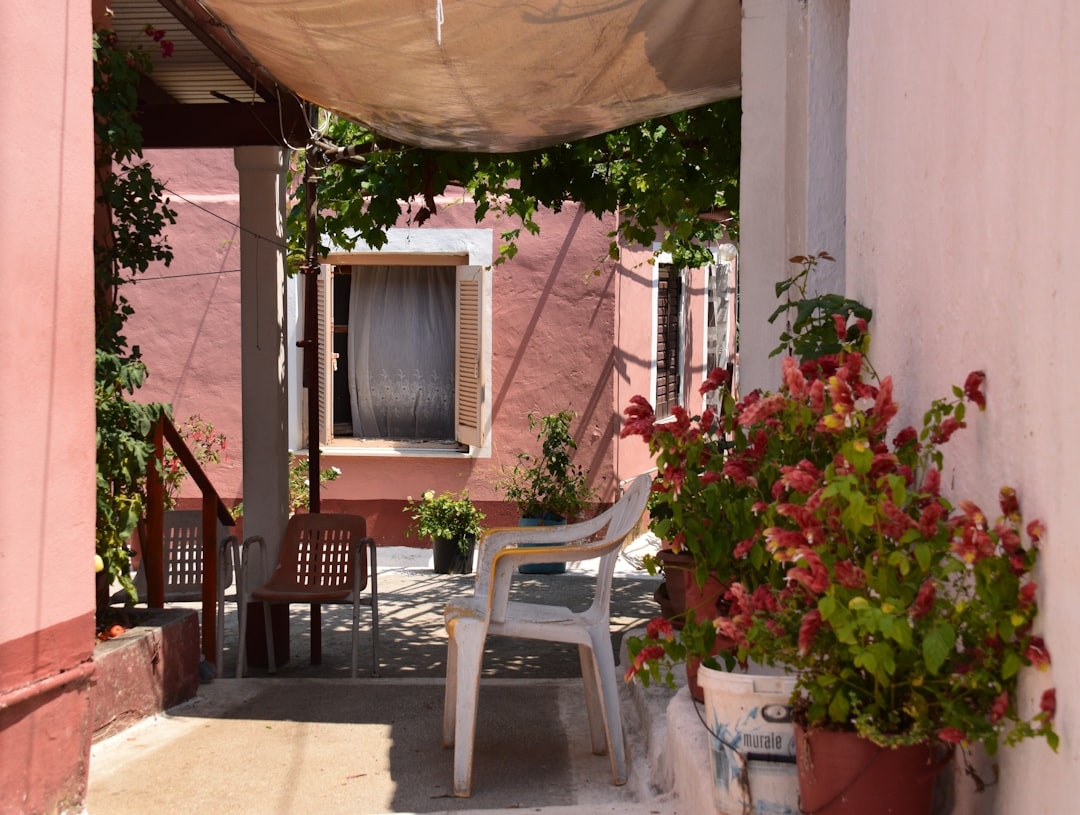
White and pale yellow flowers reflect available light and virtually glow in shaded conditions. Pale pink and lavender work beautifully. Deep reds and purples can disappear in heavy shade — use them strategically near a path or seating area where viewers get up close. Foliage color is equally important: the chartreuse of ‘Sum and Substance’ hosta, the deep burgundy of Heuchera ‘Obsidian’, and the silver splash of Pulmonaria provide color even when nothing is blooming.
Eco-Friendly Practices for a Sustainable Shade Garden
Shade gardens have a natural advantage from a sustainability standpoint — they typically require less water, less fertilizer, and less intervention than sun gardens. But you can push that advantage further with a few intentional choices.
Go Native Where You Can
Native shade plants have co-evolved with local insects, birds, and soil fungi for thousands of years. A garden anchored in natives requires dramatically less input once established. In the eastern US, focus on species like wild columbine (Aquilegia canadensis), golden groundsel (Packera aurea), and trout lily (Erythronium americanum). In the Pacific Northwest, Trillium ovatum and Oxalis oregana are excellent native choices. The Lady Bird Johnson Wildflower Center’s plant database (wildflower.org) lets you search native plants by state.
Compost Your Leaf Litter
Rather than bagging fall leaves, shred them with your mower and use them as mulch directly in your shade beds. This mimics the natural forest floor cycle, feeds beneficial soil fungi, and costs exactly nothing. Research from the University of Michigan Extension found that shredded leaf mulch can suppress weeds by up to 80% compared to bare soil — as effectively as synthetic landscape fabric, without the plastic waste.
Avoid Synthetic Pesticides
Shade gardens attract a surprising diversity of beneficial insects — ground beetles, rove beetles, and various native bees all use shaded woodland edges. Systemic pesticides applied to flowering plants in these areas can harm these beneficials. For slug and snail control (the most common pest problem in shade), iron phosphate products like Sluggo are OMRI-listed for organic use and break down into iron and phosphate in the soil.
Common Mistakes to Avoid in Shade Gardening
Even experienced gardeners stumble in the shade. Here are the errors that cause the most frustration — and how to sidestep them.
- Planting sun-lovers in shade and hoping for the best. Roses, lavender, coneflowers, and black-eyed Susans need at least 6 hours of direct sun. No amount of hope will change that. Check the tag before you buy.
- Underwatering because “it’s shaded.” Tree roots are incredibly efficient at pulling moisture from the soil. Beds under mature oaks or maples often suffer from drought stress even after rain. Check soil moisture 2 to 3 inches down before deciding whether to water.
- Planting too deep. Most shade perennials should be planted with their crown (the point where roots meet stem) at or just slightly below soil level. Planting too deep smothers the crown and causes rot — a surprisingly common killer of hostas and astilbes.
- Overcrowding for instant effect. It’s tempting to pack plants in for immediate impact. But hostas, in particular, spread significantly — ‘Sum and Substance’ can reach 4 feet wide in 3 years. Space plants at their mature width and fill gaps with annuals in the early years.
- Ignoring dry shade. The area directly under the drip line of a large conifer or tight to a building eave often gets almost no rainfall. This is a genuinely difficult microclimate. Stick to drought-tolerant shade plants like epimedium, Solomon’s seal, or pachysandra in these spots, and water them in manually until established (typically 1 full growing season).
- Choosing only foliage plants. There’s a tendency to give up on flowers in shade and go all-foliage. Don’t. The plants listed in this guide bloom reliably in low light — and that seasonal color transforms a garden from a green backdrop into a destination.
Buying and Sourcing Shade Garden Flowering Plants
Where you buy your plants matters more than most people realize. A large-box-store hosta that sat outside in full sun all spring may be stressed before it even reaches your garden. Here’s how to source well.
Local Independent Nurseries
Independent garden centers typically grow or source regionally, meaning plants are already acclimated to your climate zone. Staff can give specific advice for your area. Prices are usually $8–$15 for a standard perennial quart, which is comparable to big-box stores once you factor in plant quality and survival rates.
Mail-Order Specialty Nurseries
For unusual varieties — named hellebore cultivars, rare astilbe selections, or hard-to-find native ephemerals — mail-order is often the only option. Reputable sources include Bluestone Perennials, White Flower Farm, and Plant Delights Nursery. Order in late winter for best selection; most ship in early spring at the ideal planting time.
Plant Swaps and Native Plant Sales
Many local native plant societies and botanical gardens host spring plant sales. These are outstanding sources for locally-grown natives at prices significantly below retail — often $3–$6 per plant. Check with your local cooperative extension office or Master Gardener program for events in your area.
Frequently Asked Questions About Shade Garden Flowering Plants
What flowering plants grow best in deep shade?
The most reliable flowering plants for deep shade (fewer than 2 hours of direct sun) include hellebores, astilbe, bleeding heart (Dicentra spectabilis), lungwort (Pulmonaria), and toad lily (Tricyrtis). These plants are adapted to low-light forest conditions and bloom reliably without significant direct sun. Pair them with foliage plants like hostas and ferns for maximum visual interest.
How do I get shade plants to bloom more?
First, confirm your light conditions — insufficient blooming is usually a sign of too much shade, not too little. Second, ensure soil fertility: apply a balanced slow-release fertilizer (10-10-10) in early spring at the package rate. Deadhead spent flowers on plants like astilbe and columbine to encourage rebloom. Finally, divide overcrowded clumps every 3 to 4 years — congested roots reduce flowering significantly.
Can I grow shade garden flowering plants in containers?
Yes, and it works beautifully for patios and shaded decks. Use a large container (at least 12 to 16 inches wide) with drainage holes and a quality potting mix. Reliable shade-flowering container plants include impatiens, begonias, fuchsia, and torenia. Note that container plants dry out faster than in-ground plants — check moisture daily in summer and water when the top inch of soil is dry.
Which shade flowering plants are deer-resistant?
Hellebores, astilbes, foxglove, toad lily, and bleeding heart are all considered deer-resistant. Deer generally avoid plants that are toxic (hellebore, foxglove), have rough or fuzzy textures, or have strong scents. No plant is 100% deer-proof when food is scarce, but these choices hold up well in most situations. Avoid hostas and impatiens in areas with heavy deer pressure — they’re favorites.
When is the best time to plant a shade garden?
Early spring (March through May) and early fall (September through October) are the two ideal planting windows. Spring planting gives perennials a full season to establish before winter. Fall planting — at least 6 weeks before your first hard frost — allows root development in cool soil with less heat stress. For most of the US, that fall window is mid-August through mid-October depending on your zone. Avoid planting in midsummer heat, especially under the stress of a tree canopy.
Taking Your Shade Garden Further
Once you’ve got a solid foundation of reliable shade garden flowering plants in the ground, the real fun begins. Start tracking bloom times in a simple garden journal — even just a notes app on your phone — so you can identify gaps and fill them strategically next season. Notice which plants are spreading happily and which look stressed; that information is worth more than any plant guide.
Consider adding a simple water feature — even a small recirculating fountain — to a shaded corner. The sound of moving water amplifies the calm, woodland atmosphere that good shade gardens naturally create, and the moisture benefits nearby plants. Birdbaths in shade stay cleaner than those in full sun and attract more visitors.
Most of all, be patient with this type of garden. The rule of thumb for perennials applies double in shade: “First year it sleeps, second year it creeps, third year it leaps.” That astilbe that looked underwhelming in year one may be a spectacular clump by year three. Give your shade garden flowering plants time to establish, amend your soil well, and match plants to your actual light conditions — do those three things and the results will genuinely surprise you.

+ There are no comments
Add yours