
Contents:
- Why a Greenhouse Changes Everything for Flower Growers
- Greenhouse vs. Cold Frame: Know the Difference
- Choosing the Right Greenhouse Structure
- Size: Start Bigger Than You Think You Need
- Frame Materials: Aluminum vs. Galvanized Steel vs. Wood
- Glazing: Glass vs. Polycarbonate vs. Polyethylene Film
- Regional Considerations: Northeast, South, and West Coast
- Northeast (Zones 4–6): Focus on Heating and Snow Load
- Southeast and Gulf Coast (Zones 7–9): Focus on Ventilation and Heat Management
- West Coast (Zones 8–10, Pacific Northwest): Moderate Climate, Watch for Rain and Humidity
- Setting Up Climate Control for Year-Round Flower Production
- Temperature Management
- Ventilation: Non-Negotiable
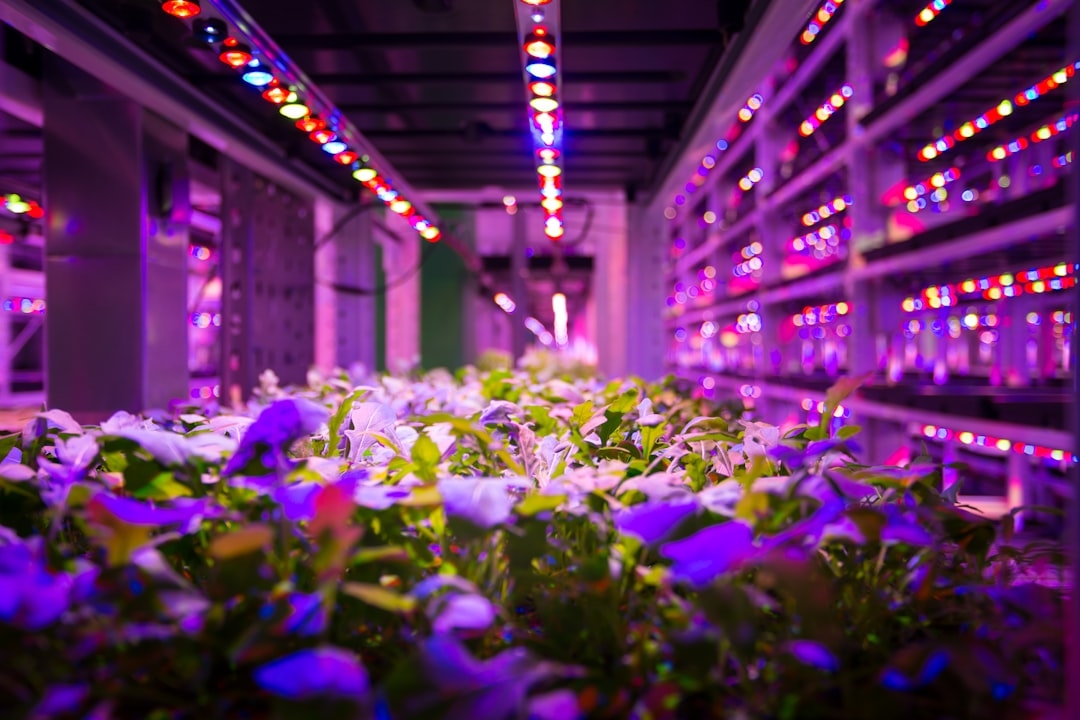
- Supplemental Lighting for Winter Production
- Best Flowers to Grow Year-Round in a Greenhouse
- Winter and Early Spring (October–March)
- Spring Transition (March–May)
- Summer and Fall (June–September)
- Building Your Greenhouse on a Budget: Practical Cost Breakdown
- DIY vs. Kit Greenhouses
- Soil, Containers, and Raised Beds Inside the Greenhouse
- Raised Beds
- Container Growing
- Fertilizing in a Controlled Environment
- Pest and Disease Management in a Greenhouse
- Common Pests
- Disease Prevention
- Practical Tips From Experienced Greenhouse Flower Growers
- Frequently Asked Questions
- What is the best greenhouse size for a beginner flower grower?
- How do I heat a small greenhouse cheaply in winter?
- Can I grow flowers in a greenhouse without electricity?
- What flowers are easiest to grow in a greenhouse for beginners?
- How does a greenhouse compare to growing flowers under grow lights indoors?
- Your Next Step: Start Planning Before You Build
You walk past your garden beds in January, and they’re bare. Frozen. The last of the mums gave up in November, and now it’s just mulch and memory. Meanwhile, your local florist is charging $18 for a small bouquet of flowers that, four months ago, you were growing yourself for almost nothing. That gap — between what you can grow and what the calendar lets you grow — is exactly what a greenhouse solves.
A greenhouse isn’t a luxury reserved for botanical gardens or serious horticulturalists. It’s a practical tool, and for flower growers, it’s one of the highest-return investments you can make in your garden. This greenhouse flower growing guide walks you through everything: choosing the right structure, setting up your climate controls, picking the best flowers for each season, and avoiding the mistakes that cost beginners money.
Why a Greenhouse Changes Everything for Flower Growers
The average frost-free growing season in the continental US ranges from about 90 days in northern Minnesota to over 300 days in coastal Southern California. That’s a massive difference — and a greenhouse compresses it dramatically. Even a modest unheated greenhouse can extend your season by 6–8 weeks on either end. Add a small propane or electric heater, and you’re growing year-round.
For flower growers specifically, the benefits stack up fast:
- Seed starting control: Start dahlias, lisianthus, and other slow-growing flowers 10–12 weeks before your last frost, without fighting for windowsill space.
- Cut flower production: Grow stems for fresh arrangements in February, when farmers market competition is nonexistent and demand is high.
- Overwintering tender perennials: Dahlias, cannas, and pelargoniums survive the winter in a cool greenhouse instead of taking up basement shelf space.
- Disease reduction: Controlled ventilation and overhead cover reduce fungal diseases that devastate outdoor flowers like roses and zinnias.
The economics are real. A single dahlia tuber costs $8–$20. Overwinter it in a greenhouse, divide it in spring, and you have 4–8 new plants — a return that pays for a cheap greenhouse heater in one season.
Greenhouse vs. Cold Frame: Know the Difference
Before spending a dollar, get clear on what you actually need. A cold frame and a greenhouse are often confused, and choosing the wrong one is an expensive mistake.
A cold frame is a low, unheated box — usually wood sides and a glass or polycarbonate lid — that sits directly on the ground. It captures solar heat and protects plants from wind and light frost. You can’t stand up in it. You can’t install a heater. It’s excellent for hardening off seedlings, overwintering spinach and kale, or extending fall pansies by 3–4 weeks. Cost: $50–$300.
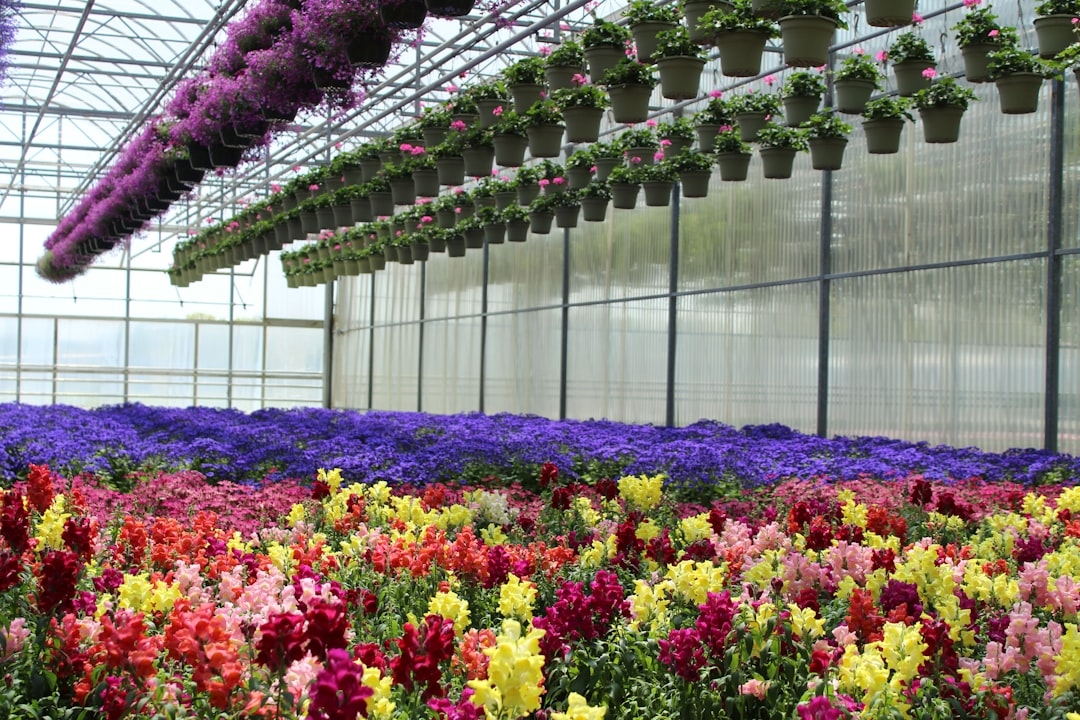
A greenhouse is a freestanding or attached structure with enough height to work in. It can be heated, ventilated, and lit artificially. It’s the right tool for year-round flower production, tropical plant overwintering, and serious seed starting. Cost: $500–$5,000+ for hobby sizes.
If your goal is to grow cut flowers in January or bring dahlias through a USDA Zone 5 winter, you need a greenhouse. A cold frame won’t get you there.
Choosing the Right Greenhouse Structure
Size: Start Bigger Than You Think You Need
The most common regret among first-time greenhouse owners is buying too small. An 8×8 ft structure sounds reasonable until you put in two benches, a small heater, and a flat of seedlings. You’re out of room by March.
A practical minimum for a serious flower grower is 8×12 ft, which gives you roughly 96 square feet of growing space and room to move. If your budget and space allow, go to 10×16 ft or larger. Greenhouse kits in this range typically cost $800–$2,000 depending on frame material and glazing.
Frame Materials: Aluminum vs. Galvanized Steel vs. Wood
- Aluminum: Lightweight, rust-proof, low maintenance. Most hobby greenhouse kits use it. Good for most climates.
- Galvanized steel: Stronger, better for areas with heavy snow loads. Required in USDA hardiness zones 3–5 where winter snow is a structural concern.
- Wood (cedar or redwood): Beautiful and easy to modify, but requires ongoing maintenance. Better suited to mild, dry climates like the Pacific Northwest or California than the humid Southeast.
Glazing: Glass vs. Polycarbonate vs. Polyethylene Film
Glazing is the covering material, and it affects light transmission, insulation, and cost more than almost anything else.
- Tempered glass: Best light transmission (90%+), durable, looks professional. Heaviest and most expensive. Best for permanent structures.
- Twin-wall polycarbonate (8mm): The sweet spot for most hobby growers. Transmits 80–83% of light, provides good insulation (R-value of about 1.89), and costs significantly less than glass. Handles hail and impact well.
- Polyethylene film (6 mil): The budget choice. Used on hoop houses and tunnel greenhouses. Costs $0.10–$0.30 per square foot, but needs replacing every 3–5 years. Works well in Zone 6+ where extreme cold isn’t a prolonged issue.
For most US flower growers, twin-wall polycarbonate is the best balance of performance and price. An 8×12 ft kit with polycarbonate panels typically runs $900–$1,400.
Regional Considerations: Northeast, South, and West Coast
Your climate determines your greenhouse setup more than any other factor. What works in Atlanta won’t work in Vermont.
Northeast (Zones 4–6): Focus on Heating and Snow Load
Winters in New England, upstate New York, and the Upper Midwest mean sustained cold and heavy snow. Your priorities here are a robust frame rated for 25–35 lbs per square foot of snow load, double-wall glazing, a heater with enough BTU output to maintain 45°F on the coldest nights, and a good vapor barrier under benches to reduce ground-level heat loss.
For heating, a 50,000 BTU propane heater can maintain 45°F in an 8×12 ft greenhouse down to about -10°F outside, assuming reasonable insulation. Electric heaters work but get expensive fast in prolonged cold — propane or natural gas is more economical in the Northeast for serious winter growing.
Southeast and Gulf Coast (Zones 7–9): Focus on Ventilation and Heat Management
In Georgia, Texas, and Florida, heat is the enemy more often than cold. A greenhouse that bakes to 110°F in July kills plants just as surely as a freeze. Install automatic roof vents (aim for vent area equal to 15–20% of floor area), shade cloth rated at 30–50% light reduction for summer, and consider an evaporative cooler or fan-and-pad system for peak heat months.
The good news: heating costs are minimal, and you can grow warm-season flowers like lisianthus, ranunculus, and tropicals well into November without supplemental heat.
West Coast (Zones 8–10, Pacific Northwest): Moderate Climate, Watch for Rain and Humidity
Coastal California and the Pacific Northwest have mild temps year-round, but the Northwest brings significant humidity and overcast winters that reduce natural light. In Seattle or Portland, you’ll need supplemental LED grow lights from October through February. Ventilation matters enormously to prevent fungal issues — botrytis (gray mold) is the biggest threat to cut flowers in humid greenhouses.
California growers in Zones 9–10 have it easiest: minimal heating, low humidity concerns, and strong winter light. Even a basic unheated hoop house keeps most flowers going year-round.
Setting Up Climate Control for Year-Round Flower Production
Temperature Management
Most popular cut flowers fall into two temperature categories:
- Cool-season flowers (ranunculus, anemones, sweet peas, snapdragons): Prefer daytime temps of 55–65°F and nights no lower than 40°F. These are your winter and early spring workhorses.
- Warm-season flowers (dahlias, zinnias, sunflowers, lisianthus): Need daytime temps of 65–80°F and nights above 55°F. Spring through fall production.
A two-zone thermostat setup — or simply knowing when to run heat vs. ventilation — lets you transition the greenhouse between these two modes seasonally.
Ventilation: Non-Negotiable
Poor ventilation is the number-one killer in hobby greenhouses. Stagnant air breeds fungal disease, causes heat stress, and prevents proper pollination for flowering plants. At minimum, install:
- One or two automatic roof vent openers (they open via thermal wax expansion — no electricity needed), set to open around 75–80°F
- A louvered intake vent near the base of the opposite wall for cross ventilation
- A circulation fan (16-inch oscillating works well) running continuously at low speed to keep air moving
Supplemental Lighting for Winter Production
In Zones 5 and north, winter daylight drops below the 10–12 hours that most flowering plants need to bloom. Supplemental lighting bridges that gap.
Full-spectrum LED grow lights are the modern standard. A 400-watt LED system covers roughly 4×8 ft of bench space and uses about 60% less electricity than equivalent HID lighting. For flower production (not just seedlings), aim for a light intensity of 200–400 µmol/m²/s at canopy level. Set lights on a timer for 14–16 hours total photoperiod in winter.
Budget pick: Spider Farmer SF-4000 or Mars Hydro FC-E4800 — both run $300–$450 and provide solid coverage for a small growing bench.
Best Flowers to Grow Year-Round in a Greenhouse
Winter and Early Spring (October–March)
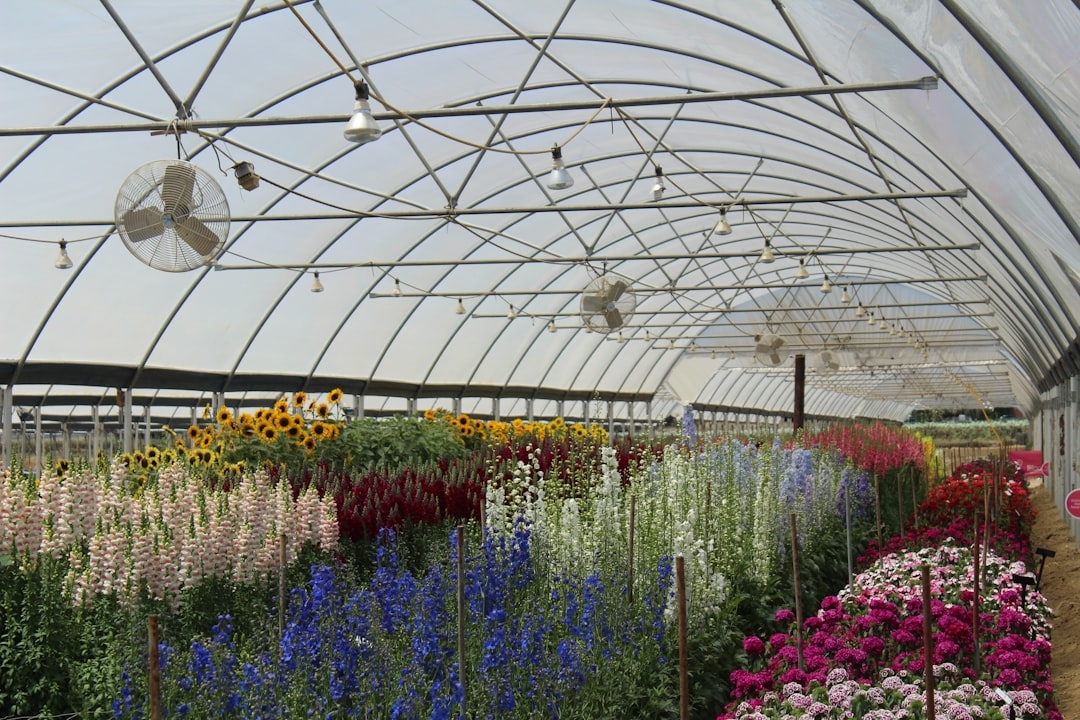
These are cool-tolerant crops that thrive in a lightly heated or even unheated greenhouse in Zones 6–7+:
- Ranunculus: Plant corms in September–October. Bloom in February–April. One of the most profitable cut flowers per square foot.
- Anemones: Similar timing to ranunculus. Long vase life, jewel-toned blooms.
- Snapdragons: Start from seed in August, transplant to greenhouse beds or deep containers. Bloom January–March.
- Sweet peas: Sow direct in October for late winter vining flowers. Need trellising but reward you with fragrant, long-stemmed blooms.
- Pansies and violas: Extremely cold-tolerant. Survive light freezes. Great for filling gaps and adding color in a cold greenhouse.
Spring Transition (March–May)
- Lisianthus: Notoriously slow (120–150 days to bloom), but the greenhouse gives you the controlled start they need. Begin seeds in January under lights.
- Stock (Matthiola): Fragrant, spiky blooms. Sow January–February for April–May harvest.
- Tulips and daffodils (forced): Pre-chill bulbs in the fridge for 14–16 weeks, then pot and bring into the warm greenhouse for blooms on demand in late winter.
Summer and Fall (June–September)
By June, most of your outdoor garden can take over. Use the greenhouse in summer for starting next season’s cool-weather crops and overwintering preparations. Or grow heat-loving cut flowers:
- Dahlias: Start tubers in April–May in the greenhouse, transplant out after last frost, or grow in large containers inside.
- Zinnias: Fast-growing, prolific bloomers. Direct sow in May for cut stems in 50–60 days.
- Celosia: Thrives in heat. Unique texture adds value to mixed bouquets.
Building Your Greenhouse on a Budget: Practical Cost Breakdown
You don’t need to spend $5,000 to get a functional flower greenhouse. Here’s a realistic budget breakdown for an 8×12 ft setup in Zone 5:
- Greenhouse kit (aluminum frame, 8mm polycarbonate): $1,100–$1,400
- Foundation (gravel base + treated lumber perimeter): $150–$300
- Propane heater (30,000–50,000 BTU) + thermostat: $200–$350
- Automatic roof vent openers (2×): $50–$80
- Circulation fan: $30–$60
- LED grow light (400W equivalent): $300–$450
- Growing benches (basic lumber construction): $80–$150
- Misc (hose, thermometer, shade cloth, hooks): $75–$120
Total estimated range: $1,985–$2,910
That’s a fully functional, four-season flower greenhouse. Skip the grow lights if you’re in Zone 7+ with good winter sun, and you drop the budget by $300–$450.
DIY vs. Kit Greenhouses
A fully DIY greenhouse built from lumber and polyethylene film can come in under $500, but the time investment is significant — expect 40–80 hours of construction time. Kits take 1–3 weekends and arrive with all hardware. For most gardeners, a kit is the better trade-off unless budget is extremely tight or you enjoy building.
Soil, Containers, and Raised Beds Inside the Greenhouse
Growing in the ground inside a greenhouse works well for permanent structures on good native soil, but most hobby growers use raised beds or containers for better control.
Raised Beds
Build 8–10 inch deep beds using 2×10 cedar or pine boards. Fill with a mix of 60% quality topsoil, 30% compost, and 10% perlite for drainage. This depth works for most cut flowers. Dahlias and ranunculus appreciate 12 inches or more.
Container Growing
For flexibility — especially if you want to move plants in and out seasonally — 3- to 7-gallon fabric pots are practical and affordable. They promote air pruning of roots, which keeps plants healthy longer than standard plastic pots.
Fertilizing in a Controlled Environment
Greenhouse plants don’t benefit from natural rainfall leaching nutrients, so you need to be intentional. For flowering plants, use a balanced fertilizer (10-10-10 or similar) during vegetative growth, then switch to a low-nitrogen, high-phosphorus formula (5-20-10 or bloom booster) when buds form. Fertigation — adding liquid fertilizer to your watering system — keeps feeding consistent and reduces labor.
Pest and Disease Management in a Greenhouse
A controlled environment doesn’t mean pest-free. In fact, the warmth and humidity that help flowers thrive also accelerate pest cycles.
Common Pests
- Aphids: Cluster on new growth and buds. Knock off with a strong water spray, then apply insecticidal soap (1 tbsp per quart of water) weekly until gone.
- Fungus gnats: Larvae damage roots. Let soil dry slightly between waterings and use yellow sticky traps at soil level. Bacillus thuringiensis var. israelensis (Bti) drenches kill larvae effectively.
- Spider mites: Thrive in hot, dry conditions. Keep humidity above 50% and use neem oil spray as a preventive measure every 2 weeks in summer.
- Thrips: Damage petals and spread viruses. Blue sticky traps catch them; spinosad-based sprays control populations.
Disease Prevention
Most greenhouse flower diseases are fungal: botrytis, powdery mildew, and damping off. Prevention beats treatment every time. Space plants so air circulates between them, water at the base rather than overhead, and remove any dead or yellowing foliage immediately. A preventive spray of diluted copper fungicide (1 tsp per quart of water) every 3 weeks through fall and winter dramatically reduces botrytis in cool, humid greenhouses.
Practical Tips From Experienced Greenhouse Flower Growers
- Install a min/max thermometer immediately. You won’t know what’s happening overnight until you track it. A $15 digital min/max thermometer tells you the coldest and warmest your greenhouse got while you were away.
- Use a timer on your heater, not just a thermostat. Pre-heat the greenhouse an hour before sunrise — that’s when temperatures drop lowest and most frost damage happens.
- Grow vertically. Netting trellises for sweet peas, snapdragons, and lisianthus double your usable space and improve stem quality by keeping flowers reaching upward.
- Label everything with dates. Tracking when you sowed, transplanted, and first saw buds helps you plan future seasons with real data instead of guesswork.
- Don’t skip the hardening off step. Greenhouse-grown seedlings moved directly outdoors will sunburn and wilt. Give them 7–10 days in a sheltered outdoor spot before transplanting.
- Clean between seasons. Wash down all surfaces with a 1:10 bleach solution between major plantings. Disease pressure compounds over time if you skip this.
Frequently Asked Questions
What is the best greenhouse size for a beginner flower grower?
An 8×12 ft greenhouse is the best starting size for most beginner flower growers. It provides 96 square feet of growing space — enough for two benches, a small work area, and a modest heater — without the overwhelming cost or complexity of larger structures. Many growers wish they’d started at 10×16 ft or larger once they see how quickly space fills up.
How do I heat a small greenhouse cheaply in winter?
The most cost-effective heating for a small greenhouse is a propane or natural gas heater paired with a thermostat set to 40–45°F. Adding bubble wrap insulation to the interior walls reduces heat loss by 20–30% and costs almost nothing. In mild climates (Zone 7+), a simple electric space heater with a thermostat is sufficient and easier to install.
Can I grow flowers in a greenhouse without electricity?
Yes, in USDA Zones 6 and warmer, you can grow cool-season flowers like ranunculus, anemones, snapdragons, and pansies through winter in an unheated, unlit greenhouse with no electricity. The structure alone traps enough solar heat to keep temperatures 10–20°F warmer than outdoors during the day. For year-round warm-season production, some heating and possibly supplemental lighting become necessary.
What flowers are easiest to grow in a greenhouse for beginners?
Snapdragons, pansies, violas, and ranunculus are the easiest flowers for beginner greenhouse growers. They tolerate temperature fluctuations, don’t require precise humidity control, and produce beautiful cut stems with minimal fuss. Avoid starting with lisianthus or Icelandic poppies, which are technically demanding and slow-germinating.
How does a greenhouse compare to growing flowers under grow lights indoors?
A greenhouse beats indoor grow light setups for cut flower production because it offers far more space, natural light, and the ability to grow tall-stemmed varieties that don’t fit under standard indoor lighting rigs. Indoor grow lights work well for seedlings and short plants, but a snapdragon growing to 24–36 inches or a dahlia in a 7-gallon container needs a greenhouse’s vertical space and airflow. The greenhouse also keeps humidity, heat, and plant debris out of your living space.
Your Next Step: Start Planning Before You Build
Before ordering a greenhouse kit, spend two weeks tracking the temperature in your intended site at dawn — the coldest point of day. Note how many hours of direct sun it receives in December. Check your local zoning codes; many municipalities require a permit for structures over 100–200 square feet. These three pieces of information — minimum winter temperature, winter light hours, and permit requirements — shape every decision that follows.
A greenhouse built on accurate data lasts decades and produces flowers every month of the year. One built on assumptions becomes an expensive cold storage shed. Do the homework first. The blooms in February will be worth it.
+ There are no comments
Add yours