

Contents:
- Why Growing Your Own Dried Flowers Changes Everything
- Best Flowers for Growing and Drying: A Variety-by-Variety Breakdown
- Everlastings: The Foundation of Any Dried Garden
- Grasses and Seed Heads: Texture and Movement
- Classic Cut Flowers That Dry Well
- Foliage and Fillers Worth Growing
- Building a Dedicated Cutting Garden for Dried Flowers
- How Much Space Do You Actually Need?
- Planning for Succession and Continuous Harvest
- Soil, Fertility, and Spacing
- Regional Growing Considerations Across the US
- Northeast (Zones 4–6): Short Seasons, High Humidity
- Southeast and Gulf Coast (Zones 7–9): Heat and Humidity
- Midwest (Zones 4–6b): Wind, Extremes, and Opportunity
- West Coast (Zones 8–10): The Ideal Dried Flower Climate
- The Science of Harvesting: Timing Is Everything
- The General Rule and Why It Works
- Specific Harvest Cues by Plant Type
- Drying Methods: Matching the Technique to the Flower
- Air Drying (Hang Drying)
- Silica Gel Drying
- Dehydrator Drying
- Glycerin Preservation
- Assembling Dried Arrangements: Design Principles That Actually Work
- Tools and Mechanics
- Building the Arrangement
- Longevity and Care
- Practical Tips for Growing Flowers for Dried Arrangements at Every Scale
- Common Problems and How to Fix Them
- Flowers Are Turning Brown During Drying
- Stems Are Drooping or Curving
- Colors Fading Faster Than Expected
- Mold Appearing on Stems During Drying
- Frequently Asked Questions
- What are the easiest flowers to grow for dried arrangements?
- When should you harvest flowers for drying?
- How long does it take to air-dry flowers?
- How do you keep dried flowers from fading?
- Can you grow dried flowers in containers or raised beds?
- Your Next Growing Season Starts Now
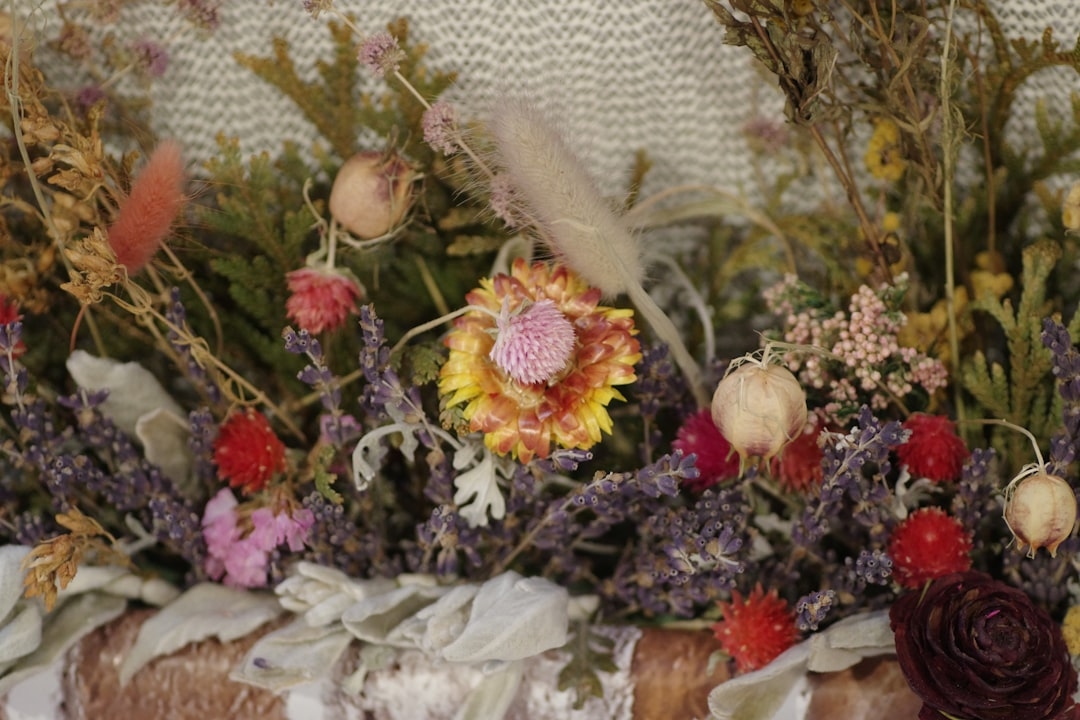
Here’s a myth worth busting right away: dried flowers are the consolation prize of the floral world — what you settle for when fresh blooms aren’t available. In reality, a well-crafted dried arrangement can outlast a fresh bouquet by two years or more, hold colors that rival anything from a florist’s cooler, and cost a fraction of what you’d spend on weekly fresh flowers. The secret isn’t in the drying. It’s in the growing. Choose the wrong varieties, harvest at the wrong moment, or skip a few key steps, and you’ll end up with brown, brittle disappointments. Get it right, and you’ll have a harvest that fills your home — and potentially someone else’s — with texture, color, and structure that lasts through every season.
This guide covers everything involved in growing flowers for dried arrangements: which species perform best, how to build a cutting garden from scratch, regional growing considerations, harvesting windows, drying methods, and how to assemble arrangements that look intentional rather than accidental. Whether you’re working with a 4×8 raised bed or a sprawling half-acre, the principles are the same.
Why Growing Your Own Dried Flowers Changes Everything
Buying dried flowers from a retailer or wholesale supplier is convenient, but the selection is narrow and the markup is steep. A bunch of dried pampas grass that retails for $18–$25 at a home goods store costs roughly $2–$4 to grow yourself, assuming you already have garden space. Dried strawflowers, statice, and globe amaranth — staples of any dried arrangement — are rarely sold in their best colors or freshest condition at retail. Growing your own means harvesting at peak quality, on your timeline.
There’s also the creative dimension. Commercial dried flower suppliers tend to stock the same ten varieties. Your garden can grow fifty. Unusual choices like Scabiosa stellata (starflower pincushion), Nigella damascena (love-in-a-mist), and chocolate-colored sunflower cultivars are almost impossible to source dried but take a few square feet to grow from seed. That distinctiveness is exactly what separates a memorable arrangement from a generic one.
Best Flowers for Growing and Drying: A Variety-by-Variety Breakdown
Not every flower dries gracefully. Some shrivel into unrecognizable husks. Others hold color and form so well they look almost fresh for years. The varieties below have proven track records across different climates and skill levels.
Everlastings: The Foundation of Any Dried Garden
Everlastings are flowers with papery or straw-like petals that retain their structure naturally after drying — no special treatment required. These are the workhorses of growing flowers for dried arrangements.
- Strawflower (Xerochrysum bracteatum): The single most reliable dried flower you can grow. Petals are already papery on the plant. Available in red, orange, yellow, pink, white, and burgundy. Direct sow or transplant after last frost; plants bloom in 70–90 days from seed. Harvest when the outermost two rings of petals are open but the center is still closed.
- Statice (Limonium sinuatum): Produces dense clusters of tiny papery flowers in purple, white, pink, yellow, and blue. Dries without color loss. Start indoors 8–10 weeks before last frost; needs a cold stratification period for best germination. One of the best filler flowers available.
- Globe Amaranth (Gomphrena globosa): Clover-like flower heads in magenta, pink, white, orange, and purple. Extremely heat-tolerant. Direct sow after last frost or start indoors 4–6 weeks early. Blooms prolifically from midsummer through frost.
- Winged Everlasting (Ammobium alatum): Underused and spectacular — small white flowers with papery yellow centers on winged stems. Dries beautifully and adds an airy quality to arrangements.
Grasses and Seed Heads: Texture and Movement
Dried arrangements without grasses tend to look flat. Grasses add movement, contrast, and scale.
- Bunny Tail Grass (Lagurus ovatus): Soft, oval seed heads on 12–18 inch stems. Harvest while still green for best texture; they dry to a creamy ivory. Extremely easy from direct sow.
- Ruby Grass (Melinis nerviglumis): Feathery burgundy-red plumes in late summer. Harvest just as plumes fully open.
- Quaking Grass (Briza maxima): Dangling oat-like seed heads that tremble in any breeze. Cool-season annual; sow in early spring or fall in mild climates.
- Love-in-a-Mist Seed Pods (Nigella damascena): Technically not a grass, but the inflated striped seed pods are among the most architecturally interesting elements available to home growers. Let flowers go to seed; harvest pods when they turn parchment-colored.
Classic Cut Flowers That Dry Well
Several traditional garden flowers also perform admirably when dried, expanding your palette beyond the everlastings.
- Celosia (cockscomb and plume types): Vivid colors — scarlet, gold, orange, magenta — that hold exceptionally well. Crested types add sculptural drama. Start indoors 4–6 weeks before last frost; needs warmth to germinate (75–80°F soil temperature).
- Larkspur (Consolida ajacis): Tall spikes in blue, purple, pink, and white. A cool-season annual; direct sow in fall (in Zones 7–10) or very early spring. Harvest spikes when 50–75% of florets are open.
- Sunflowers (Helianthus annuus): Smaller-headed varieties like ‘Teddy Bear’, ‘Vanilla Ice’, and ‘Ms. Mars’ (with its deep burgundy petals) dry more reliably than giant types. Harvest just as petals are fully open but before the back of the head starts to yellow.
- Yarrow (Achillea millefolium): Flat-topped flower clusters in yellow, white, red, and coral. A perennial in Zones 3–9. Harvest when approximately 75% of flowers in the cluster are open.
Foliage and Fillers Worth Growing
Arrangements need supporting material — stems that fill space, add color contrast, or provide interesting leaf shapes.
- Silver Dollar Plant (Lunaria annua): The translucent seed pods (technically silicles) are the dried flower world’s most beloved filler. A biennial — plant seeds one year for pods the next. Remove the outer casings to reveal the silvery interior membrane.
- Eucalyptus: In USDA Zones 8–11, several eucalyptus species grow as perennial shrubs or trees. In colder zones, Eucalyptus gunnii can be grown as an annual or overwintered indoors. Harvest young stems with rounded juvenile foliage for the best dried result.
- Dusty Miller (Senecio cineraria): Silvery-white felted foliage that air-dries on the stem with minimal effort. Grows as an annual in most US zones.
Building a Dedicated Cutting Garden for Dried Flowers
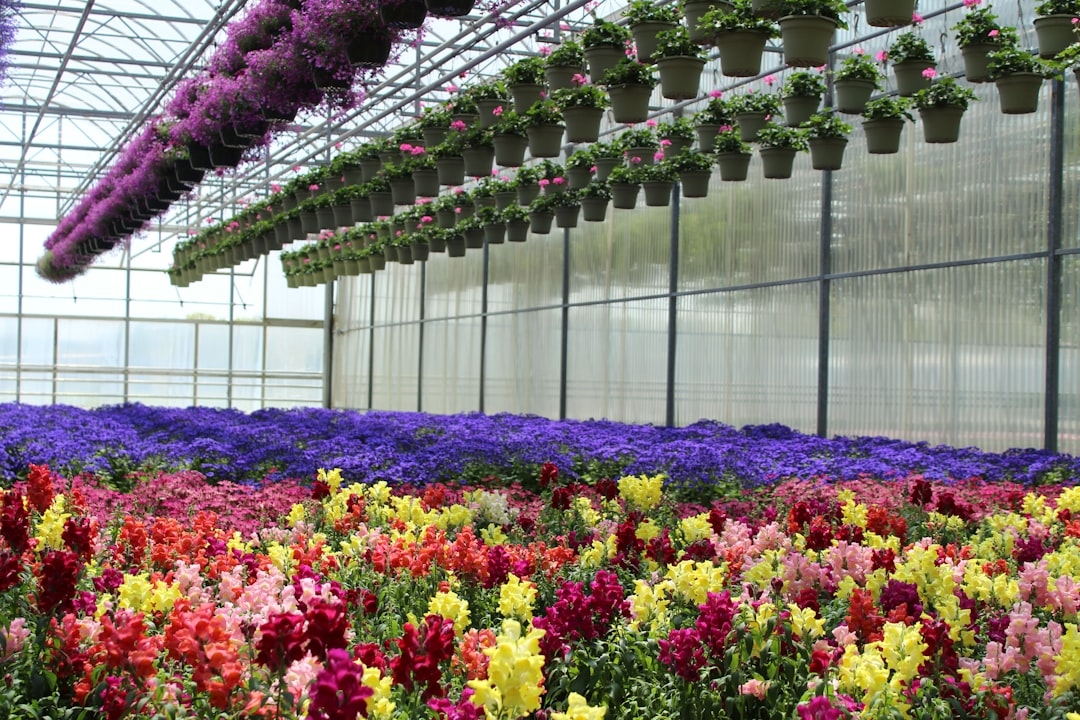
A cutting garden is planted purely for harvest — it prioritizes stem length, flower quantity, and sequential bloom times over ornamental display. For dried flower production, this distinction matters even more than it does for fresh cutting, because you’re planning around a harvest window that may span just a few days.
How Much Space Do You Actually Need?
A single 4×8-foot bed (32 square feet), managed well, can produce enough dried material for 15–20 medium arrangements per season. A 10×20-foot plot (200 square feet) is enough for a modest cottage-scale retail operation or to supply a farmers market booth. Scale based on your goals, not on enthusiasm alone — a well-planted small bed beats a weedy large one every time.
Planning for Succession and Continuous Harvest
The biggest mistake new dried flower growers make is planting everything at once and harvesting everything at once. Instead, stagger your plantings every 2–3 weeks for annuals like strawflowers, celosia, and globe amaranth. This extends your harvest window from a few weeks to three or four months. Include a mix of cool-season annuals (larkspur, statice, quaking grass), warm-season annuals (strawflowers, celosia, gomphrena), and perennials (yarrow, Echinops, Eryngium) to ensure material at every point in the season.
Soil, Fertility, and Spacing
Most everlastings and grasses prefer lean to moderately fertile soil with excellent drainage. Heavy clay or waterlogged beds cause root rot and weak stems. Amend with compost and coarse sand if necessary; target a soil pH of 6.0–7.0 for the widest range of species. Avoid over-fertilizing with nitrogen — lush, leafy growth comes at the expense of flower production and stem strength. A single application of a balanced 10-10-10 fertilizer at planting is sufficient for most varieties.
Spacing matters for stem quality. Crowded plants produce shorter stems and are more susceptible to fungal disease — a particular problem for drying, since you need full, blemish-free stems. Follow seed packet recommendations and resist the urge to squeeze in extras.
Regional Growing Considerations Across the US
Climate shapes every aspect of a dried flower garden, from variety selection to planting dates to drying methods. What works effortlessly in one region can be genuinely difficult in another.
Northeast (Zones 4–6): Short Seasons, High Humidity
Growers in New England, upstate New York, Pennsylvania, and similar climates work with frost-free windows of 120–160 days. Start annuals indoors aggressively — 8–10 weeks before last frost for statice and larkspur, 4–6 weeks for celosia and strawflowers. The bigger challenge is drying: summer humidity in the Northeast regularly exceeds 70–80%, which dramatically slows air drying and can introduce mold. Use a dehumidifier in your drying space, or rely on a food dehydrator for moisture-prone varieties. Grasses and everlastings are your safest bets; avoid trying to air-dry dahlias or sunflowers without climate control.
Southeast and Gulf Coast (Zones 7–9): Heat and Humidity
The South’s long growing season is a genuine advantage for warm-season annuals like celosia, globe amaranth, and gomphrena, which can be direct-seeded for multiple successions. The humidity challenge is even more acute than the Northeast during summer months. Many Southern growers time their main dried flower harvest for fall — September through November — when temperatures drop and humidity decreases, making air drying far more reliable. Cool-season annuals like larkspur and statice can be fall-planted for winter and spring bloom in Zones 7–9.
Midwest (Zones 4–6b): Wind, Extremes, and Opportunity
Midwestern gardens contend with temperature extremes and often relentless wind — which, interestingly, can be an asset for drying. Many Midwestern growers simply hang bunches on a covered porch or barn wall and let the low-humidity summer air do the work within 10–14 days. The compressed growing season rewards fast-maturing varieties: choose strawflower cultivars that bloom in 70 days or less, and prioritize grasses that establish quickly.
West Coast (Zones 8–10): The Ideal Dried Flower Climate
California, Oregon, and Washington have produced some of the country’s most successful specialty cut flower operations, and the dried flower segment follows the same pattern. Low summer humidity (often 20–40% along the coast and in inland valleys) makes air drying fast and reliable. The long growing season supports multiple successions of nearly every annual variety. The main limitation is water: in drought years, irrigation planning is critical. Drip irrigation with a timer is the standard approach for serious West Coast dried flower growers.
The Science of Harvesting: Timing Is Everything
No single factor determines dried flower quality more than harvest timing. Most growers — even experienced ones — harvest too late. By the time a flower looks fully open and spectacular on the stem, it’s already past peak for drying purposes.
The General Rule and Why It Works
Harvest most flowers when they are 50–75% open, not fully open. As flowers continue to develop after cutting, they complete their opening during the drying process. A strawflower cut with its center still partially closed will dry into a perfect, fully open bloom. The same flower cut fully open will continue to develop and may shatter or lose petals as it dries.
Harvest in the morning after any dew has evaporated but before the heat of the day — typically between 9 AM and noon. Stems are most hydrated and structurally sound at this time. Wilted stems that have been through afternoon heat do not recover their original form when dried.
Specific Harvest Cues by Plant Type
- Strawflowers: Harvest when outer 1–2 rings of petals are open; center is still a tight button.
- Celosia (plume): Harvest when the plume is fully developed but the color is at its most vivid — before any browning at the base of the plume begins.
- Statice: Harvest when 80–90% of the small florets in a cluster are open. The calyx (which holds color) is more important than the tiny inner petals.
- Grasses: Harvest while still green or just beginning to show color. Over-ripe grass heads shatter and drop seeds everywhere.
- Yarrow: Harvest when the flat flower head is fully open but before any individual florets begin to drop.
- Sunflowers: Harvest when fully open; remove all leaves from the stem before drying.
⟡ What the Pros Know
Commercial dried flower growers in the Pacific Northwest and specialty cut flower operations in the Mid-Atlantic use a technique called dry stem conditioning: immediately after cutting, stems are bunched loosely (8–12 stems per bunch depending on stem thickness) and hung upside down in a dark, ventilated space within 30 minutes of harvest. The darkness slows chlorophyll breakdown, which is why commercially dried larkspur holds its blue-purple color so much better than home-dried versions left in a bright room. Even a closet with a small fan running 24 hours a day outperforms a well-lit room for color retention. For pink and red strawflowers specifically, darkness during drying can preserve color intensity by 30–40% compared to drying in indirect light.
Drying Methods: Matching the Technique to the Flower
There’s no single correct drying method. The best choice depends on the flower’s moisture content, the humidity of your environment, and the end result you’re after.
Air Drying (Hang Drying)
The most common method, and the right choice for most everlastings, grasses, and low-moisture flowers. Bundle stems loosely — no more than 10–12 per bunch for thick-stemmed varieties like sunflowers, up to 20–25 for fine-stemmed strawflowers. Hang upside down in a dark, dry, well-ventilated space. Ideal conditions: 65–75°F, relative humidity below 50%, with gentle air movement. Most flowers are fully dry in 2–4 weeks under these conditions.
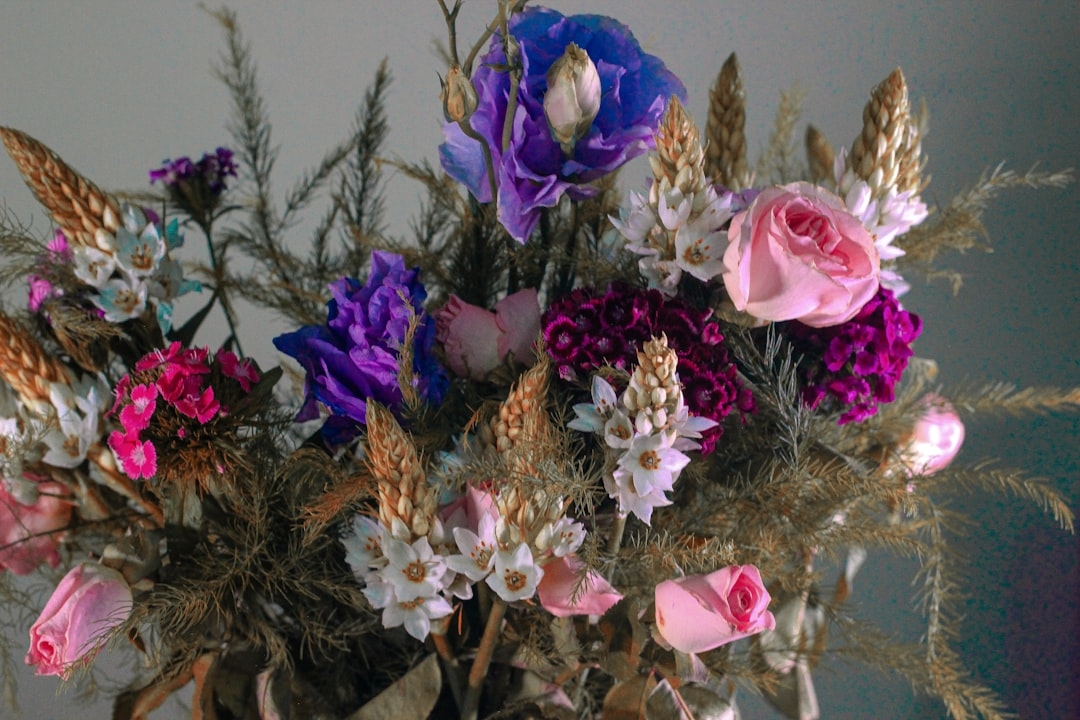
The upside-down position keeps stems straight as they dry. Flowers hung right-side-up tend to develop curved or drooping stems that are difficult to use in arrangements.
Silica Gel Drying
Silica gel crystals absorb moisture rapidly and preserve three-dimensional flower structure better than air drying. Essential for roses, peonies, zinnias, and other multi-petaled flowers where you want to maintain the full open form. Bury the flower head-up in a container of silica gel, ensuring crystals work in between every petal layer. Seal the container and check after 3–7 days. Most flowers are dry within a week. Silica gel can be reactivated in a 250°F oven for 30 minutes and reused indefinitely.
One limitation: silica-dried flowers are brittle and more sensitive to humidity. Store them in sealed containers with a small packet of silica gel to prevent re-absorption of moisture.
Dehydrator Drying
A food dehydrator set to 95–100°F (the lowest setting on most models) can dry flowers in 1–4 days, making it the fastest reliable method. Ideal for high-humidity environments where air drying takes too long and introduces mold risk. Not suitable for delicate or multi-petaled flowers that would be crushed by the dehydrator trays, but excellent for flat-headed flowers, foliage, and grasses.
Glycerin Preservation
Technically not drying, but glycerin treatment replaces water in plant cells with glycerin, leaving stems and foliage flexible and leathery rather than brittle. Particularly effective for foliage (eucalyptus, magnolia leaves, ferns) and seed pods. Mix one part glycerin to two parts hot water, place cut stems in the solution, and allow them to absorb over 2–4 weeks. The foliage will darken slightly and develop a waxy feel — this is correct.
Assembling Dried Arrangements: Design Principles That Actually Work
The mechanics of dried flower arranging differ from fresh flowers primarily because dried stems are brittle, stems often can’t be cut with a clean diagonal (they shatter), and you’re working without the natural weight and drape that water provides.
Tools and Mechanics
Use wire cutters or heavy floral scissors rather than standard pruning shears, which can crush dried stems. A hot glue gun is acceptable for securing flower heads that have detached from their stems — this happens regularly with strawflowers, which can be wired before drying (push a 24-gauge floral wire up through the stem while the flower is still fresh) to prevent separation. Floral foam is not suitable for dried arrangements; use dry foam, a block of chicken wire, or simply bunch stems tightly and secure with floral tape or a rubber band inside the vessel.
Building the Arrangement
Start with structural elements — grasses, tall spiky flowers like larkspur or celosia — to establish height and silhouette. Add focal flowers next (strawflowers, sunflowers, globe amaranth), positioning them at varying depths to create visual movement. Finish with fillers (statice, ammobium, lunaria pods) that knit the composition together. Odd numbers almost always produce a more natural result than even groupings.
Color holds differently in dried material than fresh. Blues tend to fade fastest; burgundy and orange hold exceptionally well. When planning your garden, plant heavier on the burgundy, orange, gold, and deep pink spectrum if color longevity is a priority.
Longevity and Care
A properly assembled dried arrangement kept out of direct sunlight, away from humidity sources (bathrooms, kitchen sinks), and dusted gently with a hair dryer on the cool setting can last 2–3 years with minimal color degradation. Direct sunlight is the single biggest enemy of dried flower color — even a few weeks in a south-facing window will bleach most varieties noticeably.
Practical Tips for Growing Flowers for Dried Arrangements at Every Scale
- Start with five varieties, not fifteen. Strawflower, globe amaranth, bunny tail grass, statice, and celosia give you focal flowers, fillers, and texture — everything you need for complete arrangements. Master these before expanding.
- Label your rows with harvest cues, not just plant names. Write “harvest at 50% open” or “harvest while green” directly on the label. In the heat of summer, it’s easy to forget the specifics for each variety.
- Batch your harvesting and drying. Harvest two or three times per week rather than daily. Bunching and hanging in large batches is far more efficient, and consistent conditions within a single drying session produce more uniform results.
- Keep records. Note planting dates, harvest dates, drying times, and quality results. After two seasons, you’ll have a detailed roadmap for your specific microclimate that no book or article can provide.
- Consider selling surplus. At farmers markets across the US, dried flower bundles retail for $8–$18 each. A 200-square-foot cutting garden in a productive season can yield 150–200 bundles, representing $1,200–$3,600 in potential revenue at those price points.
Common Problems and How to Fix Them
Flowers Are Turning Brown During Drying
This almost always indicates one of three issues: the flower was harvested too late, the drying environment is too humid, or the bunches are too dense. Check your humidity first — above 60% relative humidity, many flowers will brown before they dry. Move to a dehumidified space or use a dehydrator.
Stems Are Drooping or Curving
Caused by hanging bunches that are too heavy (stems bend under their own weight) or drying right-side-up instead of upside down. Re-bunch into smaller groups and ensure all bunches are hanging vertically with adequate air space between them.
Colors Fading Faster Than Expected
Direct or indirect light exposure is the primary culprit. Move your drying area to a dark room or closet. For arrangements that are already fading in display, reposition away from windows. Some growers apply a UV-protective clear floral sealant spray (available at craft stores for $6–$12 a can) to finished arrangements to slow color degradation — results vary by flower type but are generally noticeable on red and pink varieties.
Mold Appearing on Stems During Drying
Mold is almost always a ventilation problem combined with high humidity. Increase airflow — a small box fan running continuously in your drying space makes a significant difference. Discard any affected bunches immediately to prevent spread; mold spores travel efficiently in enclosed spaces.
Frequently Asked Questions
What are the easiest flowers to grow for dried arrangements?
Strawflowers (Xerochrysum bracteatum), globe amaranth (Gomphrena globosa), and statice (Limonium sinuatum) are the easiest to grow and dry successfully. All three are direct-sown or transplanted annuals that tolerate heat, bloom prolifically, and air-dry without color loss. Bunny tail grass (Lagurus ovatus) is equally foolproof for textural interest.
When should you harvest flowers for drying?
Harvest most flowers when they are 50–75% open, in the morning after dew has dried but before midday heat. Harvesting too late — when flowers are fully open — results in shattering and color loss during the drying process. Grasses should be harvested while still green or just beginning to show mature color.
How long does it take to air-dry flowers?
Most flowers air-dry completely in 2–4 weeks when hung upside down in a dark, well-ventilated space with relative humidity below 50% and temperatures between 65–75°F. High humidity significantly extends drying time and increases mold risk. A food dehydrator at 95–100°F can reduce drying time to 1–4 days.
How do you keep dried flowers from fading?
Keep dried arrangements away from direct sunlight, which is the primary cause of color fading in dried flowers. Store and display in low-humidity environments (avoid bathrooms and kitchens). Dry flowers in a dark room or closet to preserve initial color intensity. A UV-protective floral sealant spray can extend color life on finished arrangements.
Can you grow dried flowers in containers or raised beds?
Yes. Many dried flower varieties, including strawflowers, globe amaranth, and shorter celosia cultivars, grow well in containers or raised beds. Use a well-draining potting mix, ensure containers have drainage holes, and fertilize lightly — excessive nitrogen reduces flower production. A 12–14 inch container can support 3–4 strawflower plants and produce harvests throughout the summer.
Your Next Growing Season Starts Now
The best time to plan a dried flower cutting garden is during the season before you want to harvest. Order seeds in late fall or early winter — specialty varieties from suppliers like Floret Farm, Johnny’s Selected Seeds, or Renee’s Garden sell out well before spring. Map your bed, calculate your succession schedule, and identify your drying space before the first seed goes in the ground.
Growing flowers for dried arrangements rewards patience and planning more than almost any other garden pursuit. The payoff — armloads of textured, colorful material that will outlast an entire year of fresh flower purchases — arrives every summer and fall for as long as you tend the garden. Start with five strong varieties, nail your harvest timing, and keep your drying space dark and ventilated. Everything else is refinement.
Your arrangements are waiting in the seeds.
+ There are no comments
Add yours