




Contents:
- What Is Succession Planting for Flowers?
- The Biology Behind the Bloom Gap (And How to Beat It)
- Building Your Succession Planting Calendar
- Step 1: Identify Your Bloom Windows
- Step 2: Calculate Backward from Target Bloom Dates
- Step 3: Plan for Three Waves, Minimum
- Step 4: Build In Redundancy
- The Best Flowers for Succession Planting (By Season)
- Cool-Season Workhorses (Sow 4–6 Weeks Before Last Frost)
- Warm-Season Annuals (Transplant After Last Frost)
- Perennials That Support Succession Strategies
- Succession Planting in Small Spaces and Raised Beds
- A Quick Budget Breakdown for Succession Planting
- Succession Planting for Cut Flower Production
- The Cut Flower Farmer’s Approach
- Best Cuts for Succession Harvest
- What the Pros Know
- Common Mistakes to Avoid
- Mistake 1: Planting Everything on the Same Day
- Mistake 2: Ignoring Days-to-Bloom on Seed Packets
- Mistake 3: Letting Spent Plants Linger
- Mistake 4: Not Accounting for Heat Stress
- Mistake 5: Underestimating Germination Failures
- Soil, Fertility, and Succession Planting
- Succession Planting by USDA Hardiness Zone
- Zones 3–4 (Minnesota, North Dakota, Montana)
- Zones 5–6 (Midwest, Mid-Atlantic, Pacific Northwest)
- Zones 7–8 (Southeast, Pacific Coast, Lower Midwest)
- Zones 9–10 (Southern California, Arizona, Gulf Coast)
- Tools and Supplies That Make Succession Planting Easier
- Seed-Starting Essentials
- Outdoor Staging Area
- Succession Planting Apps and Tools
- Succession Planting and Pollinators
- Succession Planting Flowers: A Sample 6-Month Calendar for Zone 6
- Frequently Asked Questions
- What does succession planting mean for flowers?
- How far apart should succession sowings be spaced?
- Can you succession plant perennials?
- What flowers are easiest to succession plant for beginners?
- How does succession planting affect soil health?
- Plan Now, Cut All Season
Every gardener who has followed a succession planting flowers guide knows the particular satisfaction of stepping outside in late August—when most neighbors’ beds have faded to seed heads and bare stems—and finding a riot of fresh color still going strong. If your garden tends to peak in June and sputter out by midsummer, succession planting is the technique that changes everything.
This isn’t a complicated method. It’s a scheduling discipline. And once you understand the logic behind it, you’ll never plan a cutting garden or ornamental border the same way again.
What Is Succession Planting for Flowers?
Succession planting means staggering your sowings, transplants, or purchases so that plants reach bloom at different times throughout the season—rather than all at once. Most gardeners are familiar with the concept from vegetable gardening (planting lettuce every two weeks to avoid a glut), but the same principle applies powerfully to flowers.
The goal is simple: eliminate the “bloom gap.” That’s the deflating stretch of time between your spring show and your fall display when the garden looks tired and you’re waiting for something—anything—to flower.
There are three distinct approaches to flower succession planting, and most experienced gardeners use all three in combination:
- Time-staggered sowings: Planting the same species two to four weeks apart so bloom times are offset.
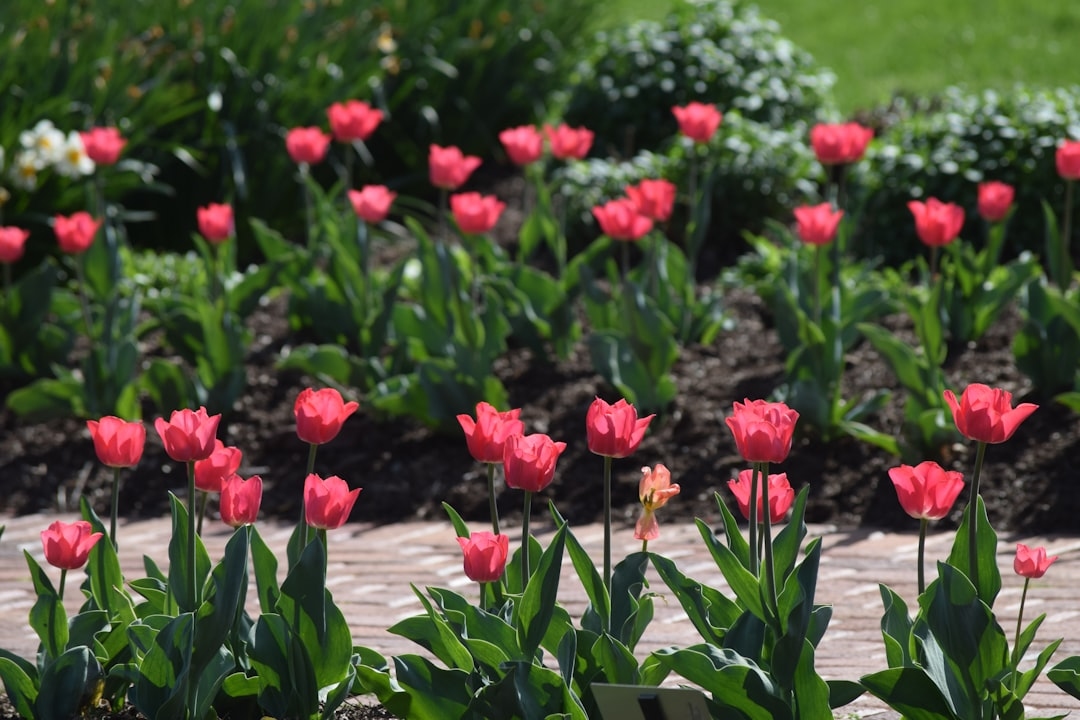
- Variety selection: Choosing early, mid-season, and late-blooming cultivars of the same genus (tulips are the classic example—plant a mix of early, Darwin hybrid, and late-season varieties and you get six to eight weeks of bloom from a single genus).
- Relay planting: Following one plant’s decline with a new planting of a different species that thrives in the upcoming season.
Most hobbyist gardeners focus only on the first method and miss the full potential of the other two. Combining all three is what separates a garden with decent color from one with genuinely uninterrupted bloom.
The Biology Behind the Bloom Gap (And How to Beat It)
Understanding why bloom gaps happen makes it much easier to prevent them. Every flowering plant has a photoperiod trigger—a response to day length—along with temperature thresholds that govern when it sets buds. Cool-season annuals like larkspur, snapdragon, and bachelor’s button are programmed to bloom before summer heat arrives and then set seed and die. Warm-season annuals like zinnias and marigolds need soil temperatures above 65°F to germinate and won’t flower until they’ve accumulated enough degree-days of warmth.
This creates a predictable gap in most American gardens: roughly late June through mid-July, after the cool-season spring flush and before the warm-season plants hit full stride. In USDA Hardiness Zones 5–7, this window is typically three to five weeks long. In Zones 8–10, the gap often shifts to late summer, when heat-stressed plants pause before fall renegrowth.
Knowing your zone’s specific gap window is the foundation of a good succession plan. Pull up your last three years of garden photos and look for the thin weeks. That’s your target.
Building Your Succession Planting Calendar
A succession calendar works backward from desired bloom dates, factoring in each plant’s days-to-bloom from seed or transplant. Here’s how to build one in four steps.
Step 1: Identify Your Bloom Windows
Divide your growing season into three or four bloom periods. For a Zone 6 garden with a last frost date of April 15 and first fall frost around October 15, a practical breakdown looks like this:
- Spring (April–May): Bulbs, biennials, cool-season annuals
- Early Summer (June–July): Transition species, first wave of warm-season annuals
- High Summer (July–August): Peak warm-season annuals and perennials
- Late Season (September–October): Late-blooming perennials, second-sown annuals, ornamental grasses
Step 2: Calculate Backward from Target Bloom Dates
Seed packets list “days to bloom” from transplant date—not from seed sowing date. Add six to eight weeks for indoor seed starting, and you have your sowing date. For example: zinnias take about 60 days from transplant to first bloom. If you want blooms by July 1 in Zone 6, count back 60 days from July 1 (May 2), then back another six weeks for indoor starting (March 21). That’s your seed-starting date.
Keep a simple spreadsheet with columns for plant name, days-to-bloom, desired bloom date, transplant date, and seed-start date. Fifteen minutes of setup saves a season of regret.
Step 3: Plan for Three Waves, Minimum
A well-succession-planted cutting garden or ornamental border should have at least three distinct waves of color. Professional flower farmers—who can’t afford a blank week in their production schedule—typically plan for five or six overlapping waves. For a home gardener, three is the realistic and satisfying sweet spot.
Step 4: Build In Redundancy
Weather is unpredictable. A late frost, an early heat wave, or an unusually wet spring can push any single planting off schedule by two to three weeks. Plan one backup sowing for each critical bloom window. The redundancy cost is minimal—a second packet of seeds runs $2–$5—and the insurance value is enormous.
The Best Flowers for Succession Planting (By Season)
Not every flower is equally well-suited to succession planting. The best candidates have a relatively short bloom window (so staggering makes a real difference), respond reliably to direct sowing or transplanting, and are available in early, mid-season, and late cultivars.
Cool-Season Workhorses (Sow 4–6 Weeks Before Last Frost)
- Larkspur (Consolida ajacis): Direct sow in fall or very early spring. Bloom window of about four weeks. Make two sowings three weeks apart for six-plus weeks of vertical color. Reseeds freely, which creates a natural succession in subsequent years.
- Snapdragons (Antirrhinum majus): Start indoors 10–12 weeks before last frost for spring bloom; make a second sowing in late June for fall color. In Zones 8–10, treat as a fall/winter annual.
- Bachelor’s Button (Centaurea cyanus): Sow every three weeks from late winter through early spring. Each sowing blooms for about three weeks. Three rounds of sowing gives you nearly two months of that indigo-blue color.
- Sweet Peas (Lathyrus odoratus): Sow two batches—one in February under lights, one direct-sown outside in early April. The indoor start blooms first, bridging the gap until the direct-sown batch takes over.
Warm-Season Annuals (Transplant After Last Frost)
- Zinnias (Zinnia elegans): The succession planting darling. Direct sow every three to four weeks from last frost through midsummer. A June 1 sowing in Zone 6 will bloom from late July through frost with deadheading. A July 1 sowing extends color well into September.
- Sunflowers (Helianthus annuus): Sow every two weeks from last frost through early July. Single-stem varieties (like ‘Procut Orange’) are ideal—they bloom once and finish, making succession planting essential. Branching types like ‘Mammoth’ have a longer individual bloom window but still benefit from staggered plantings.
- Lisianthus (Eustoma grandiflorum): Requires 150–180 days from seed to bloom—one of the longest of any annual. Start indoors in November or December for summer bloom. Not a succession candidate in the traditional sense, but worth knowing so you don’t miss the window.
- Cosmos (Cosmos bipinnatus): Direct sow every four weeks from last frost through July 4. Blooms in approximately 60 days from sowing. Cut aggressively and it reblooms; stop cutting and it goes to seed quickly—so succession sowing maintains that airy, romantic look through fall.
Perennials That Support Succession Strategies
Perennials don’t succession-plant the way annuals do, but you can build succession into your perennial border through variety selection. Consider this example sequence for Zones 5–7:
- April–May: Bleeding heart (Dicentra spectabilis), Siberian iris, alliums
- June: Salvia nemorosa ‘Caradonna’, Achillea ‘Coronation Gold’, Penstemon
- July–August: Echinacea, Agastache, Rudbeckia ‘Goldsturm’
- September–October: Aster, Sedum ‘Autumn Joy’, ornamental grasses
Planted together, these perennials create a rolling handoff of color with no major gap. The trick is resisting the urge to fill a border with whatever looks good at the nursery in May—that strategy produces a stunning June and a bleak August.
Succession Planting in Small Spaces and Raised Beds
Limited square footage actually makes succession planning more critical, not less. Every square foot needs to earn its keep across the full season. The technique that makes this work is called relay planting—installing a new plant into a space the moment the previous occupant is pulled.
A practical relay sequence for a 4×8 raised bed in Zone 6:
- March–May: Fill the bed with pansies, snapdragons, and sweet peas. These will bloom through late May or early June.
- Mid-May: Start zinnias, cosmos, and basil indoors (or purchase transplants). Have them hardened off and ready.
- Early June: Pull spent cool-season plants as soon as they decline. Transplant warm-season flowers immediately into the same soil.
- Late July: Direct-sow a second round of zinnias or cosmos between established plants to fill in as the first wave peaks and begins to decline.
- August–September: Add potted chrysanthemums or purchased aster transplants as gap-fillers for fall color.
This approach requires keeping a tray of backup transplants or a nursery pot “waiting in the wings” at all times during the growing season. It takes some planning, but the visual payoff—a bed that looks intentionally designed rather than accidentally blank—is worth the effort.
A Quick Budget Breakdown for Succession Planting
One of the most common objections to succession planting is cost. Here’s a realistic estimate for outfitting a 100-square-foot cutting garden or ornamental bed with a three-wave succession plan:
- Seeds (15–20 packets covering 3 waves): $30–$60 at $2–$4 per packet for standard varieties; up to $5–$7 for specialty cuts like lisianthus or ranunculus
- Seed-starting supplies (trays, cells, soilless mix): $20–$40 one-time investment, reusable for multiple seasons
- Supplemental transplants from nursery (for gap-filling): $15–$35 depending on species and pot size
- Total first-year cost: Approximately $65–$135
- Ongoing annual cost (seeds only, reusing supplies): $30–$60
Compare that to the cost of cut flower subscriptions or grocery store bouquets. A typical weekly mixed bouquet at a US grocery store runs $10–$20. Eight weeks of bouquets is $80–$160—and you get no garden enjoyment from them. The succession-planted garden pays for itself before summer ends.
Succession Planting for Cut Flower Production
If your primary goal is cut flowers rather than garden display, succession planting becomes even more strategic. The aim shifts from visual continuity to harvest continuity—you want stems ready to cut on a predictable weekly or biweekly basis.
The Cut Flower Farmer’s Approach
Small-scale flower farmers in the US typically plan for 52 weeks of bloom by combining greenhouse production, succession field sowings, and cold storage. Home gardeners can adapt this approach to a more modest 20–26 week outdoor harvest window.
The key metric for cut flower succession is stems per week. Estimate how many vases you want to fill per week (most home gardeners aim for three to five arrangements), then work backward:
- Each zinnia plant produces approximately 10–15 harvestable stems per season with regular cutting.
- A 10-foot row of zinnias (about 8–10 plants at 12-inch spacing) yields roughly 80–120 stems over the season.
- Three successions of that row, staggered three weeks apart, ensures fresh stems are always coming online as older plants peak and decline.
Best Cuts for Succession Harvest
Some flowers are dramatically better for succession cutting than others. Prioritize these high-yielding, succession-friendly species:
- Zinnias: The more you cut, the more they produce. Ideal succession crop.
- Celosia: ‘Coral Garden’ and ‘Sunday Series’ types bloom in 60–70 days from transplant and continue producing until frost.
- Statice (Limonium sinuatum): Dries beautifully; two successions provide both fresh and dried material across the season.
- Scabiosa: Blooms prolifically over a long window; succession sowing extends harvest from July through October.
- Rudbeckia hirta (Black-eyed Susan): Long vase life, extremely productive when cut regularly; direct sow two batches four weeks apart.
What the Pros Know
Pro Tip: The “Pinch-and-Wait” Technique
Professional flower growers use a technique called pinching to delay bloom on any given planting by one to two weeks. When a young transplant reaches 8–10 inches tall, pinch out the central growing tip. The plant responds by branching out and setting more buds—but those buds arrive 10–14 days later than they would have unpinched. Applied strategically, pinching lets you create a staggered harvest from a single sowing date. Pinch half your zinnias at transplant time, leave the other half unpinched, and you effectively get two bloom waves from one sowing. This is especially useful when a cold snap delays your schedule and you need to compress your waves without starting over.
Common Mistakes to Avoid
Even gardeners with several seasons of experience make predictable errors when they start succession planting. Here are the most common ones—and how to sidestep them.
Mistake 1: Planting Everything on the Same Day
The most frequent error is treating the last frost date as a single starting gun. Planting your entire zinnia allotment on May 15 means everything peaks in mid-July and fades together by August. Spread your sowings over six to eight weeks for continuous bloom rather than a single surge.
Mistake 2: Ignoring Days-to-Bloom on Seed Packets
Days-to-bloom data is printed on seed packets for a reason. Ignoring it leads to confusion when two species you expected to bloom simultaneously peak three weeks apart. Build your calendar around this number, not guesswork.
Mistake 3: Letting Spent Plants Linger
Succession planting requires removing spent plants promptly. A plant going to seed triggers nearby plants to accelerate toward dormancy and takes up space needed by your next wave. Pull spent plants within a week of their last usable bloom—it feels brutal, but it’s the discipline that makes the system work.
Mistake 4: Not Accounting for Heat Stress
In Zones 7–9, midsummer heat above 90°F forces many annuals—including pansies, snapdragons, and sweet peas—into dormancy or death regardless of your planting schedule. Don’t succession-sow cool-season species into a heat wave. Instead, shift your summer succession focus to heat-tolerant species like zinnias, celosia, and gomphrena.
Mistake 5: Underestimating Germination Failures
Even high-quality seeds from reputable suppliers have germination rates of 75–90%. Budget for failure: sow 25% more seeds than you need, and keep a backup tray of fast-growing fillers (marigolds germinate in five to seven days and can rescue a gap on short notice).
Soil, Fertility, and Succession Planting
Back-to-back plantings in the same bed deplete soil nutrients faster than a single-season planting. A relay sequence that takes a 4×8 bed through three distinct plantings in one season is essentially farming that bed intensively—and it needs to be fed accordingly.
Between each succession wave, work in a 1-inch layer of finished compost or apply a balanced granular fertilizer (10-10-10 or similar) at the rate recommended on the label—typically 1 pound per 100 square feet. This quick replenishment step takes ten minutes and prevents the gradual nutrient depletion that causes each successive planting to underperform the last.
In raised beds, where nutrient leaching is faster than in ground beds, consider a liquid fertilizer drench (fish emulsion or liquid kelp at half-strength) every two weeks during active growth periods. Established succession plantings are hungry systems; feeding them consistently is non-negotiable for peak performance.
Succession Planting by USDA Hardiness Zone
The timing of every succession plan is zone-specific. Here’s a condensed reference for the most common gardening zones in the US:
Zones 3–4 (Minnesota, North Dakota, Montana)
Short growing season (120–140 frost-free days) demands tight scheduling. Focus succession planting on fast-maturing annuals: zinnias (50–60 days to bloom), marigolds (45–50 days), and nasturtiums (35–45 days). Make two sowings of each, three weeks apart, starting the day after last frost. Skip slow-maturing crops like lisianthus; they simply won’t have time to bloom.
Zones 5–6 (Midwest, Mid-Atlantic, Pacific Northwest)
The ideal succession planting zone. A 160–180 day growing season allows three to four full waves of annuals plus robust perennial succession. This is where the five- or six-wave approach of professional flower farmers becomes achievable for home gardeners.
Zones 7–8 (Southeast, Pacific Coast, Lower Midwest)
Focus on two distinct seasons: spring (February–May) and fall (September–November). The summer gap from late June through August is often too hot for cool-season crops and too stressful for many warm-season annuals. Use heat-tolerant species—gomphrena, celosia, globe amaranth, portulaca—to bridge the summer. Plan a major fall succession sowing in late July or early August for September through November bloom.
Zones 9–10 (Southern California, Arizona, Gulf Coast)
Succession planting runs nearly year-round, but the calendar is essentially inverted from northern zones. Plant cool-season annuals in October through January for winter and spring bloom. Shift to heat-tolerant species in March and plan for a monsoon/late summer succession in July. The “gap” in Zone 10 is often July–August, not midsummer in the northern sense.
Tools and Supplies That Make Succession Planting Easier
You don’t need a greenhouse or a professional setup to execute a strong succession plan—but a few targeted investments make the process significantly smoother.
Seed-Starting Essentials
- 72-cell plug trays with humidity domes: Ideal for starting multiple small batches. At about $3–$5 per tray, they’re reusable for several seasons.
- Heat mat: Raises soil temperature to 70–75°F for faster germination. A 10×20-inch mat costs $25–$40 and handles up to four standard trays.
- Full-spectrum grow lights: A two-bulb T5 fixture provides sufficient light for seedlings 16 hours per day. Budget $50–$120 for a quality fixture.
Outdoor Staging Area
A simple cold frame ($30–$80 for a basic model, or free if you have salvage lumber and old windows) lets you harden off transplants and stage your upcoming succession wave outdoors without committing them to the garden yet. Think of it as a “waiting room” for your next bloom wave.
Succession Planting Apps and Tools
Several free and paid apps help track sowing schedules. Gardenate and the Old Farmer’s Almanac Planting Calendar (both free online) generate zone-specific sowing windows. For serious cut flower growers, Floret Flower Farm’s online resources and Erin Benzakein’s book Cut Flower Garden provide detailed succession schedules used by professional growers across the US.
Succession Planting and Pollinators
A well-designed succession planting plan does double duty: it keeps your garden beautiful and provides continuous forage for native bees, butterflies, and other pollinators throughout the season. This matters more than many gardeners realize.
Research from the Xerces Society indicates that gardens providing continuous bloom from early spring through late fall support two to three times more pollinator species than gardens with a concentrated bloom peak. A succession-planted garden is, by design, a pollinator habitat garden—you just have to choose the right plants.
Some of the highest-value succession plants for pollinators:
- Phacelia (Phacelia tanacetifolia): Blooms in four to six weeks from direct sowing; one of the most attractive plants for native bees. Sow every three weeks for continuous forage.
- Borage: Self-sows prolifically and blooms over a long window. Plant once and it succession-plants itself in subsequent years.
- Anise hyssop (Agastache foeniculum): Long-blooming perennial (July through September) that bridges the midsummer gap for pollinators and gardeners alike.
- Native asters: Among the most critical late-season pollinator plants in North America. Bloom September through October, providing fuel for migrating monarchs and overwintering native bees.
Succession Planting Flowers: A Sample 6-Month Calendar for Zone 6
Here’s a concrete, month-by-month example of what a fully realized succession planting program looks like in practice for a Zone 6 garden with a last frost of April 15:
- February 15: Start lisianthus, snapdragons, and sweet peas indoors under lights.
- March 1: Direct sow larkspur outdoors (cold stratification sowing). Start bachelor’s button indoors.
- March 15: Start first wave of zinnias and cosmos indoors. Sow second round of bachelor’s button.
- April 1: Transplant snapdragons outdoors into cold frame for hardening. Start second wave of zinnias indoors. Direct sow sweet alyssum outdoors.
- April 15 (last frost): Transplant snapdragons, sweet peas, and bachelor’s button into beds. Direct sow first round of sunflowers.
- May 1: Transplant first zinnia and cosmos wave into garden. Start celosia and statice indoors. Direct sow second sunflower round.
- May 15: Transplant lisianthus outdoors. Start second celosia wave indoors.
- June 1: Pull spent cool-season annuals. Direct sow second cosmos wave. Transplant first celosia wave.
- June 15: Direct sow second zinnia wave. Third sunflower sowing.
- July 1: Direct sow third zinnia wave, scabiosa, and rudbeckia. Transplant second celosia wave.
- July 15: Final sunflower sowing for late September stems. Plant fall mum transplants in nursery area.
- August 1: Begin pulling earliest zinnias as they decline. Insert potted asters and mums into border as visual bridges.
- September–October: Harvest third zinnia wave, late celosia, rudbeckia, and asters until frost.
This calendar keeps something blooming or harvestable from late April through hard frost—roughly 26 weeks of continuous color from one planned, coordinated effort.
Frequently Asked Questions
What does succession planting mean for flowers?
Succession planting for flowers means staggering your sowings, transplants, or variety selections so that plants bloom at different times throughout the season. Instead of everything flowering at once and leaving bare gaps, you maintain continuous color from spring through fall.
How far apart should succession sowings be spaced?
For most annual flowers, two to four weeks between sowings is the standard interval. Fast-maturing species like sunflowers and bachelor’s button respond well to two-week intervals; longer-season crops like cosmos and celosia work better with three- to four-week spacing. The goal is for the next wave to begin blooming just as the previous wave starts to decline.
Can you succession plant perennials?
Perennials don’t succession-plant through repeated sowing the way annuals do, but you achieve the same continuous-bloom effect by selecting early, mid-season, and late-blooming perennial varieties and planting them together. A well-chosen perennial border can deliver rolling color from March through November without any re-sowing.
What flowers are easiest to succession plant for beginners?
Zinnias, sunflowers, and bachelor’s button are the most beginner-friendly succession crops. All three direct-sow easily, have predictable days-to-bloom, and respond well to staggered plantings. Start with these three and add complexity in subsequent seasons.
How does succession planting affect soil health?
Back-to-back plantings in the same bed deplete nutrients faster than a single seasonal planting. Between each succession wave, add a one-inch layer of finished compost or apply a balanced granular fertilizer at 1 pound per 100 square feet. In raised beds, supplement with liquid fertilizer every two weeks during peak growth periods.
Plan Now, Cut All Season
The difference between a garden that dazzles for three weeks in June and one that rewards you with fresh color from April through October isn’t a bigger budget or a larger plot—it’s a calendar and a willingness to think ahead. The succession planting flowers guide framework laid out here gives you the structure to build that calendar, identify your garden’s specific gap windows, and fill them systematically.
Start small this season if succession planting is new to you. Pick one 10-foot row or a single raised bed. Commit to three waves of zinnias or sunflowers, staggered two to three weeks apart. Keep notes on what bloomed when, what failed, and what surprised you. By October, you’ll have the data to design a much more ambitious succession plan for next year—and the confidence that comes from watching it work.
Your seed catalogs for next year are probably already arriving. Pull one out tonight, find the days-to-bloom column, and start counting backward from the dates you want your vases full. That’s all it takes to begin.

+ There are no comments
Add yours