

Contents:
- What Makes a Luxury Flower Delivery Service Actually Luxurious?
- The 5 Best Luxury Flower Delivery Services, Ranked
- Bloom & Wild (U.S. Premium Tier) — Best Overall Luxury Experience
- The Bouqs Co. — Best for Farm-Direct Transparency
- Venus ET Fleur — Best for Statement Luxury Gifting
- Teleflora (Artisan Collection) — Best for Nationwide Reliability
- Ode à la Rose — Best for Parisian-Style Minimalist Design
- Luxury Flower Delivery: Head-to-Head Comparison
- Luxury Flower Delivery vs. Premium Local Florists: Understanding the Difference
- How to Choose the Right Luxury Flower Delivery Service
- Where Is the Recipient Located?
- What’s the Occasion’s Time Horizon?
- What Aesthetic Does the Recipient Prefer?
- What’s the Real Budget?
- Seasonal Buying Guide: When to Order What
- Red Flags to Avoid When Ordering Premium Flowers Online
- Frequently Asked Questions About Luxury Flower Delivery
- What is the best luxury flower delivery service in the U.S.?
- How much should I expect to spend on a luxury flower delivery?
- How long do luxury delivered flowers last?
- Is same-day luxury flower delivery possible?
- What’s the difference between luxury flower delivery and regular flower delivery?
- Making Your Decision: A Forward-Looking Framework
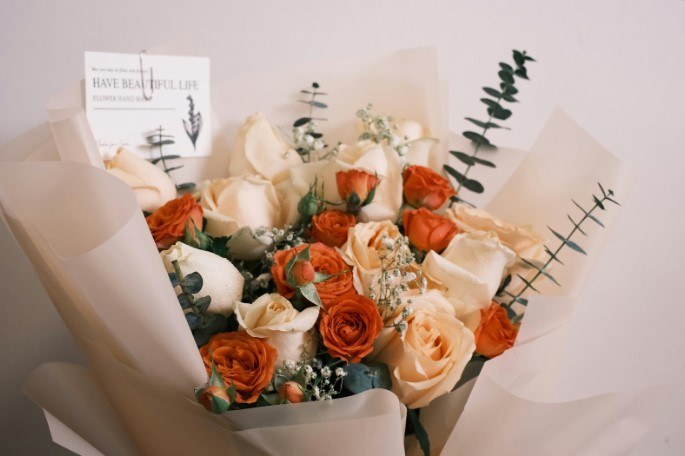
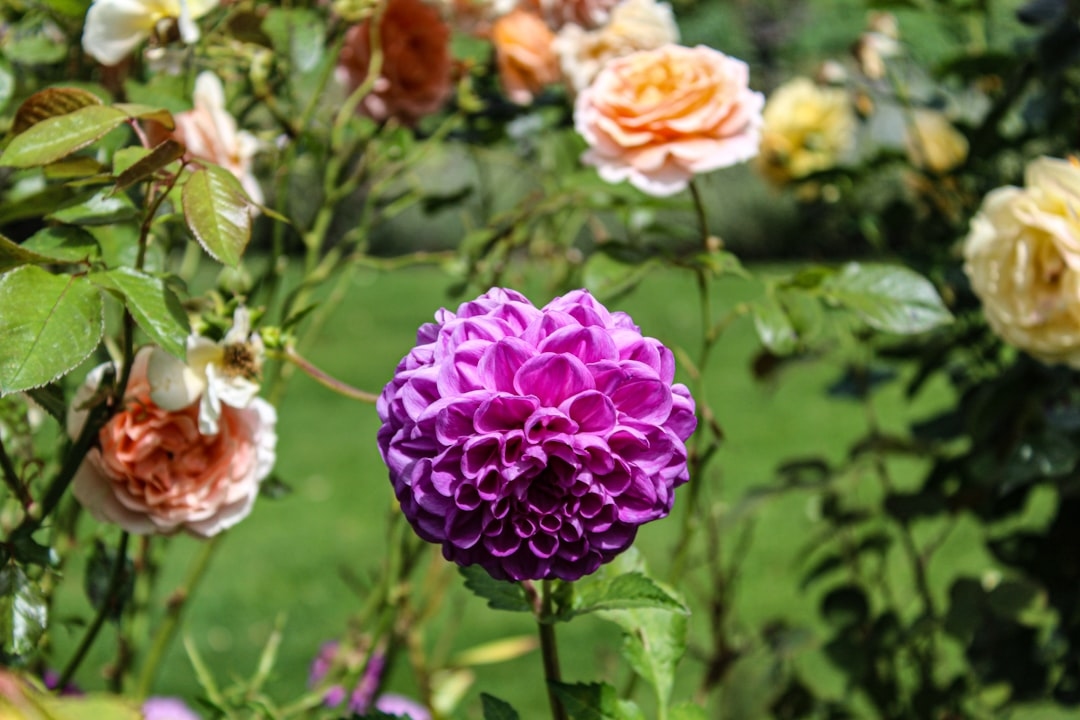
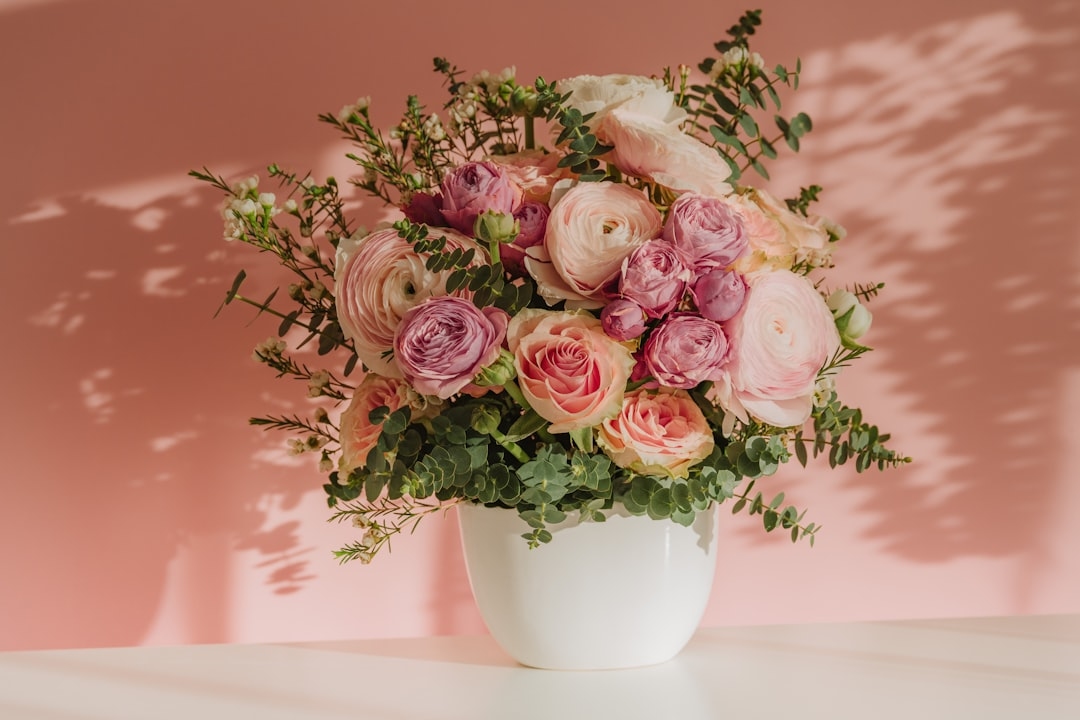
The scent hits you first — that cool, green, slightly sweet exhale of fresh-cut stems the moment you lift the lid. Then the colors: saturated coral garden roses, violet lisianthus, white ranunculus so densely petaled they look engineered. Finding the best luxury flower delivery service means chasing exactly that experience, reliably, for someone who deserves more than grocery store carnations wrapped in cellophane. But “luxury” is a word that gets stretched thin. Some services charge premium prices for flowers that wilt within 48 hours. Others deliver genuine horticultural artistry — blooms sourced from specialty Ecuadorian farms, arranged by credentialed designers, packed in temperature-controlled boxes with hydration sleeves. This guide cuts through the marketing to show you exactly what separates the splurge-worthy from the overpriced.
What Makes a Luxury Flower Delivery Service Actually Luxurious?
Before ranking specific services, it helps to understand what the price premium actually buys. Standard flower delivery typically sources through domestic wholesale markets, where blooms may be 4–7 days off the farm by the time they’re arranged. Luxury services operate differently — many use farm-direct sourcing, cutting transit time to 24–48 hours post-harvest. That gap matters biologically: flowers respire continuously after cutting, consuming stored carbohydrates. A fresher stem simply has more fuel left.
Three technical factors separate elite from average: stem length (longer stems signal unharvested blooms grown for the cut flower trade, not commodity stock), bud-to-bloom ratio (luxury arrangements include buds that will open over 5–7 days, extending vase life), and variety selection (garden roses vs. standard hybrid teas, seasonal ranunculus vs. year-round spray carnations). Watch for these when evaluating any service below.
Luxury florists condition stems for a minimum of 8–12 hours in temperature-controlled coolers (34–38°F) before arranging. If you’re ordering for a timed event, always request delivery the day before — freshly delivered luxury blooms need 2–4 hours at room temperature to fully hydrate and open. Skipping this step is the single most common reason even expensive arrangements underperform.
The 5 Best Luxury Flower Delivery Services, Ranked
1. Bloom & Wild (U.S. Premium Tier) — Best Overall Luxury Experience
Precision is this service’s signature. Arrangements arrive in flat, letterbox-compatible packaging with individual aqua picks on each stem — a system that keeps blooms hydrated for up to 12 hours without water, which matters enormously for surprise deliveries. The stem count is generous: most medium arrangements include 18–24 stems with a mix of focal flowers (garden roses, peonies in season), textural elements (eucalyptus, scabiosa pods), and filler that doesn’t feel like filler. Pricing runs $65–$145 for standard arrangements, with seasonal collections reaching $200+.
Vase life: 7–10 days with included care instructions. Best for: Surprise deliveries where no one will be home to receive the order. Weakness: Same-day delivery is limited to select metro areas; plan 48 hours ahead outside major cities.
2. The Bouqs Co. — Best for Farm-Direct Transparency
The Bouqs built its reputation on radical supply chain transparency. They source directly from Rainforest Alliance–certified farms in Ecuador and Colombia, eliminating the traditional broker layer. The result is stems that arrive 1–2 days off the farm — measurably fresher than most competitors. A standard “Original” bouquet starts at $44, but the “Deluxe” and “Grand” tiers ($68–$88) are where the luxury experience lives, with stem counts of 30–50 and varieties like café au lait dahlias, juliet garden roses, and double-flowered lisianthus.
Vase life: 9–12 days, among the longest in testing. Best for: Buyers who care about ethical sourcing alongside aesthetics. Weakness: Arrangement styles lean romantic-rustic; less suited to architectural or minimalist design preferences.
3. Venus ET Fleur — Best for Statement Luxury Gifting
Venus ET Fleur operates in a different category than fresh-cut services. Their signature product is Eternity Roses — real roses preserved through a glycerin-and-dye process that maintains petal texture and suppleness for 1–3 years without water or sunlight. Arrangements come in luxury hat boxes, acrylic domes, and custom vessels. Prices start at $109 for a single rose and scale to $599–$1,200+ for large multi-rose arrangements. This is gift-as-object-d’art territory.
Longevity: 1–3 years with no maintenance. Best for: Milestone gifts — anniversaries, landmark birthdays — where permanence carries meaning. Weakness: Preserved roses lack the scent of fresh blooms and won’t appeal to buyers prioritizing the sensory experience of living flowers.
4. Teleflora (Artisan Collection) — Best for Nationwide Reliability
Teleflora’s standard catalog isn’t luxury — but their Artisan Collection, fulfilled by vetted independent florists in each recipient’s city, is a legitimately elevated tier. Arrangements are hand-designed locally, which means the designer can source regionally appropriate seasonal flowers unavailable to centralized shippers. Pricing for Artisan arrangements runs $89–$175. The key advantage is same-day delivery to virtually any U.S. zip code, including rural areas that farm-direct shippers can’t serve.
Best for: Sending to recipients outside major metros, or when same-day delivery is non-negotiable. Weakness: Quality variance exists between network florists; request a “designer’s choice seasonal” arrangement rather than a catalog item for the best result. That single instruction consistently yields 20–30% more stem value than ordering a specific pictured design.
5. Ode à la Rose — Best for Parisian-Style Minimalist Design
Ode à la Rose imports French-style floral design sensibility — clean lines, monochromatic palettes, roses as the primary design element. They source premium garden roses and spray roses from Ecuadorian farms and deliver in signature pink-and-black boxes with tissue and ribbon. Arrangements range from $59–$195, with the “Grand” and “Majestic” tiers showcasing 50–75 stems of tightly spiraled roses in a hand-tied bouquet style. Same-day delivery is available in New York, Chicago, Los Angeles, Boston, and a handful of additional cities.
Vase life: 7–9 days. Best for: Buyers who want a specific, cohesive aesthetic — particularly for photography, events, or design-forward recipients. Weakness: Variety is intentionally limited to roses and complementary greenery; not the choice for buyers wanting diverse floral compositions.
Luxury Flower Delivery: Head-to-Head Comparison
| Service | Price Range | Vase Life | Same-Day? | Best For | Farm-Direct? |
|---|---|---|---|---|---|
| Bloom & Wild | $65–$200+ | 7–10 days | Limited metros | Surprise delivery | Partial |
| The Bouqs Co. | $44–$88+ | 9–12 days | Select cities | Ethical sourcing | Yes |
| Venus ET Fleur | $109–$1,200+ | 1–3 years | No | Milestone gifting | No (preserved) |
| Teleflora Artisan | $89–$175 | 6–9 days | Yes, nationwide | Rural/remote delivery | No (local florists) |
| Ode à la Rose | $59–$195 | 7–9 days | 5–6 major cities | Minimalist aesthetic | Partial |
Luxury Flower Delivery vs. Premium Local Florists: Understanding the Difference
A common confusion worth addressing directly: luxury delivery services and premium local florists are not the same product. Local florists — particularly those operating at the $150–$400 arrangement level — offer genuine design customization, the ability to inspect stems before purchase, and true same-day capabilities. Many source from the same Ecuadorian farms as direct-ship services.
What delivery services offer that local florists typically cannot: nationwide reach, standardized packaging engineered for shipping stress, and often lower price points for equivalent stem quality due to eliminated middlemen. The practical rule: if your recipient is local and you have 24 hours, a premium local florist often delivers superior design flexibility. If you’re shipping across the country or managing a surprise, a specialized delivery service wins on logistics.
“The biggest mistake I see customers make is ordering a specific variety out of season. A garden rose in January has traveled farther and been stored longer than the same rose in June. For winter luxury orders, lean into ranunculus, anemones, and hellebores — flowers that are actually at peak in cooler months. You’ll get dramatically better results for the same price.”
— Dr. Marguerite Holloway, MS Horticulture, Certified Floral Designer (AIFD), former faculty, Longwood Gardens Professional Development Program
How to Choose the Right Luxury Flower Delivery Service
The right answer depends on four variables. Work through them in order and the choice becomes obvious.
1. Where Is the Recipient Located?
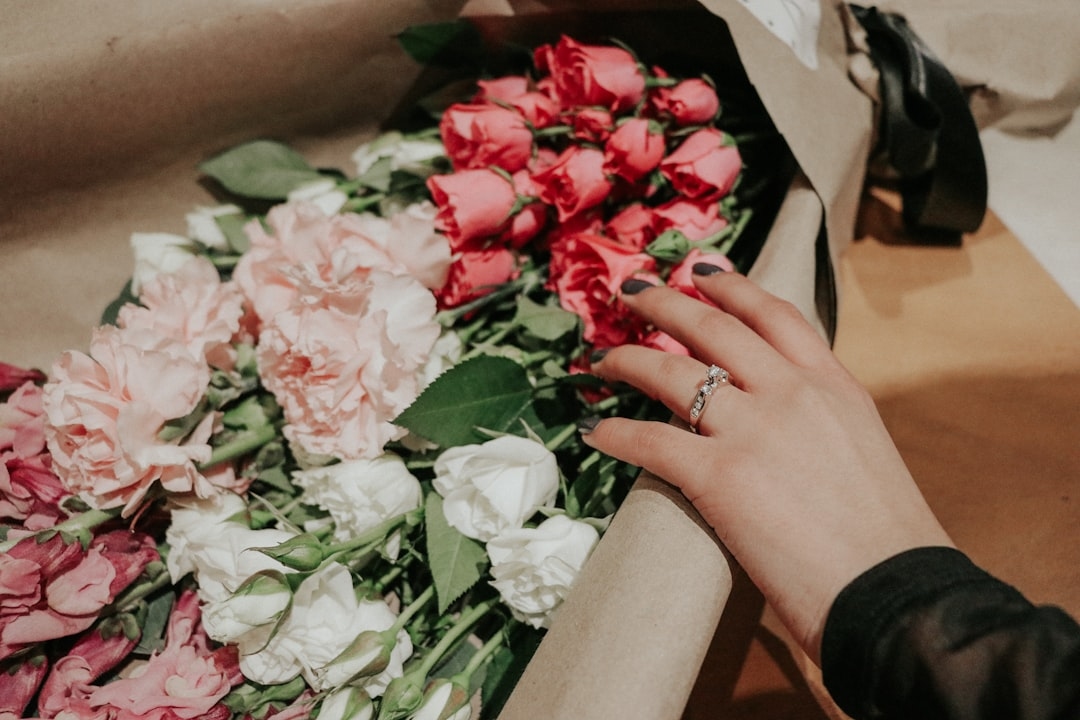
Farm-direct services (Bouqs, Bloom & Wild) excel in metro areas but struggle with rural zip codes. If you’re shipping to a small town or suburban area more than 30 miles from a major city, Teleflora’s Artisan Collection is the safest choice — their network of 10,000+ affiliated florists covers nearly every U.S. zip code. Always enter the destination zip code before completing checkout; most services will warn you if same-day or next-day delivery isn’t available for that location.
2. What’s the Occasion’s Time Horizon?
Short time horizon (24–48 hours): prioritize services with confirmed same-day capability in the recipient’s city. Longer lead time (3–7 days): farm-direct services become the better choice — you can schedule delivery for the exact right date and the fresher stems will show it. For a gift that needs to last weeks or months, Venus ET Fleur’s preserved roses are the only logical option in the delivery-service category.
3. What Aesthetic Does the Recipient Prefer?
This matters more than most buyers consider. A recipient who decorates in clean Scandinavian minimalism will respond differently to a lush, garden-style Bouqs arrangement than to Ode à la Rose’s structured monochromatic roses. If you’re uncertain, “garden rose and mixed seasonal” arrangements (Bloom & Wild’s specialty) are the most broadly appealing across aesthetic preferences.
4. What’s the Real Budget?
Pricing for luxury flower delivery is rarely what the headline number suggests. Factor in delivery fees ($15–$25 on most services), vase upgrades ($20–$40 if included), and tip if applicable. The Bouqs is the most transparent on total cost; Teleflora and Venus ET Fleur frequently add fees at checkout. Budget an additional 20–25% over the base arrangement price for the total delivered cost.
Seasonal Buying Guide: When to Order What
Luxury doesn’t mean ignoring seasonality — it means leveraging it. Buying in-season flowers from any service yields better quality for less money. Here’s a quick reference for U.S. buyers:
- Spring (March–May): Peonies, ranunculus, tulips, sweet peas, lilac. Peak availability; order peonies by mid-May before the season closes.
- Summer (June–August): Garden roses, dahlias, zinnias, sunflowers, lisianthus. The richest season for variety.
- Fall (September–November): Dahlias continue; add chrysanthemums, marigolds, cosmos, and ornamental grasses for textural arrangements.
- Winter (December–February): Amaryllis, paperwhite narcissus, hellebores, anemones, forced branches (quince, cherry). Avoid summer varieties — they’ve been cold-stored for months.
Most luxury delivery services update their seasonal collections monthly. Bookmark the “new arrivals” or “seasonal” section of your preferred service and check it 2–3 weeks before you need to order.
Red Flags to Avoid When Ordering Premium Flowers Online
Not every service charging luxury prices delivers luxury results. Watch for these warning signs:
- No farm or sourcing information: Legitimate luxury services are proud of their supply chain. Vague language like “premium growers worldwide” is a deflection, not a credential.
- Stock photos that don’t match the product: Reputable services use real photos of their actual arrangements. If every image looks like it was art-directed for a magazine, request customer review photos before purchasing.
- No live stem count listed: Luxury arrangements specify stem counts. A service that only describes arrangements as “lush” or “full” without numbers is hiding a thin product.
- Mandatory subscription to access best pricing: Some services advertise low base prices that only apply to subscribers. Calculate the per-arrangement cost without a subscription before committing.
- No freshness guarantee: Every credible luxury service offers a 7-day freshness guarantee minimum, with replacement or refund policies clearly stated.
Frequently Asked Questions About Luxury Flower Delivery
What is the best luxury flower delivery service in the U.S.?
The Bouqs Co. leads for overall quality-to-price ratio, with farm-direct sourcing yielding vase life of 9–12 days. Bloom & Wild edges ahead for surprise deliveries due to their proprietary letterbox packaging. For preserved flowers meant to last years, Venus ET Fleur has no direct competitor in the delivery-service category.
How much should I expect to spend on a luxury flower delivery?
Budget $80–$150 all-in (including delivery fees) for a genuinely luxurious fresh arrangement. Below $60 delivered, you’re in the premium tier but not luxury. Venus ET Fleur arrangements start at $109 for a single rose and scale to $1,200+ for large preserved displays.
How long do luxury delivered flowers last?
Farm-direct luxury services typically deliver flowers with 9–12 days of vase life when cared for properly: fresh water every 2 days, stems recut at a 45-degree angle, kept away from direct sunlight and heat sources above 70°F. Standard grocery-store bouquets average 4–6 days under identical conditions.
Is same-day luxury flower delivery possible?
Yes, but with geographic limitations. Teleflora’s Artisan Collection offers the broadest same-day coverage across U.S. zip codes. Ode à la Rose provides same-day delivery in New York, Chicago, Los Angeles, Boston, and a few additional cities. Most farm-direct services require 24–48 hours minimum for scheduling.
What’s the difference between luxury flower delivery and regular flower delivery?
Three measurable differences: stem age at delivery (luxury: 1–2 days post-harvest; standard: 4–7 days), variety selection (luxury includes specialty varieties like garden roses, ranunculus, and peonies; standard relies on commodity carnations, alstroemeria, and standard hybrid tea roses), and packaging (luxury services use temperature-regulating materials; standard uses minimal paper wrap). These differences directly translate to vase life and visual impact.
Making Your Decision: A Forward-Looking Framework
Flowers are one of the few gifts where the quality of the sourcing decision is visible within hours of delivery. A bouquet that peaks on day two and collapses by day four is a silent message — the opposite of the intended one. The services on this list have each proven, at scale, that they can deliver a different outcome.
Start with your recipient’s location and the lead time you have. Those two variables will immediately narrow five options to two or three. From there, the aesthetic and budget questions close the gap. For most U.S. buyers sending to metro recipients with 48+ hours of lead time, The Bouqs Co. at the Deluxe or Grand tier represents the best defensible value in the luxury category. For maximum design impact with no scheduling flexibility, Bloom & Wild’s letterbox system is the closest thing to a logistics-proof luxury gift.
One final practical note: every service on this list allows you to add a handwritten-style card. Use it. The bloom will be remembered for a week. The words can last considerably longer.

+ There are no comments
Add yours