
Contents:
- Why Flowers Have More Power Than You Think
- The 30 Most Historically Significant Flowers
- Tulip (Tulipa gesneriana) — The First Speculative Bubble
- Opium Poppy (Papaver somniferum) — Wars and Medicine
- Cotton (Gossypium hirsutum) — The Engine of Slavery
- Tea Rose (Rosa ×odorata) — The Silk Road Messenger
- Saffron Crocus (Crocus sativus) — Worth Its Weight in Gold
- Lotus (Nelumbo nucifera) — Sacred Engine of Eastern Civilization
- Chamomile (Matricaria chamomilla) — The Apothecary’s Foundation
- Sunflower (Helianthus annuus) — North American Native to Global Crop
- Lavender (Lavandula angustifolia) — Antiseptic Before Antiseptics Existed
- Tobacco Flower (Nicotiana tabacum) — The Crop That Built Colonial America
- Lily of the Valley (Convallaria majalis) — Medicinal and Deadly
- Chrysanthemum (Chrysanthemum morifolium) — Symbol of Imperial Japan
- Clover (Trifolium repens) — The Nitrogen Fixer That Fed Nations
- Foxglove (Digitalis purpurea) — Heart Medicine from a Wildflower
- Jasmine (Jasminum officinale) — The Perfume Trade’s Cornerstone
- Marigold (Tagetes erecta) — The Aztec Sacred Flower
- Vanilla Orchid (Vanilla planifolia) — The Flavor of Commerce
- Echinacea (Echinacea purpurea) — Great Plains Medicine
- Wisteria (Wisteria sinensis) — Beauty With Consequences
- Rose of Sharon (Hibiscus syriacus) — The National Flower of South Korea
- Cacao (Theobroma cacao) — The Currency That Built Empires
- Plumeria (Plumeria rubra) — Sacred Across Four Religions
- Hops (Humulus lupulus) — The Beer Flower
- Flanders Poppy (Papaver rhoeas) — Symbol of War and Remembrance
- Magnolia (Magnolia grandiflora) — A Flower Older Than Bees
- Calendula (Calendula officinalis) — The Wound Healer of Two Wars
- Borage (Borago officinalis) — Bee Superfood and Courage Tonic
- Black-Eyed Susan (Rudbeckia hirta) — The Prairie Native That Survived Everything
- Night-Blooming Cereus (Selenicereus grandiflorus) — The Clock Flower
- Dandelion (Taraxacum officinale) — The Misunderstood Conqueror
- Seasonal Bloom Calendar: When These Historic Flowers Peak in the US
- Invasive vs. Native Alternatives: A Practical Comparison
- How to Choose Which Historic Flowers to Grow
- The Sustainability Case for Growing Historic Flowers
- Flowers That Changed History: What Comes Next
- Frequently Asked Questions
- What flowers have had the biggest impact on human history?
- Which flower started the first economic bubble in history?
- What is the oldest flowering plant in recorded history?
- Are any historically significant flowers invasive in the US?
- Which historic flowers are easiest for beginner DIY gardeners to grow?
Most people think of flowers as decoration. Pretty things for weddings, funerals, and grocery store impulse buys. That view drastically undersells what these plants have actually done. Flowers have triggered economic collapses, fueled empires, cured diseases, started wars, and quietly fed most of humanity. The flowers that changed history were not passive bystanders — they were engines of human civilization, driving trade routes, scientific revolutions, and cultural transformations that still echo today.
This guide covers 30 of the most consequential blooms ever documented, with context that goes beyond trivia. Whether you’re growing some of these in your own backyard or simply want to understand why a tulip once cost more than a house in Amsterdam, there’s something genuinely surprising in every entry.
Why Flowers Have More Power Than You Think
Flowers are the reproductive structures of angiosperms — flowering plants that make up roughly 90% of all plant species on Earth. Their evolutionary success is inseparable from human history. We domesticated them, traded them across continents, weaponized them, and built entire economies around them. The U.S. floral industry alone generates over $13 billion annually. But the real story starts much earlier — in the fields of ancient Mesopotamia and the apothecaries of medieval Europe.
The 30 Most Historically Significant Flowers
1. Tulip (Tulipa gesneriana) — The First Speculative Bubble
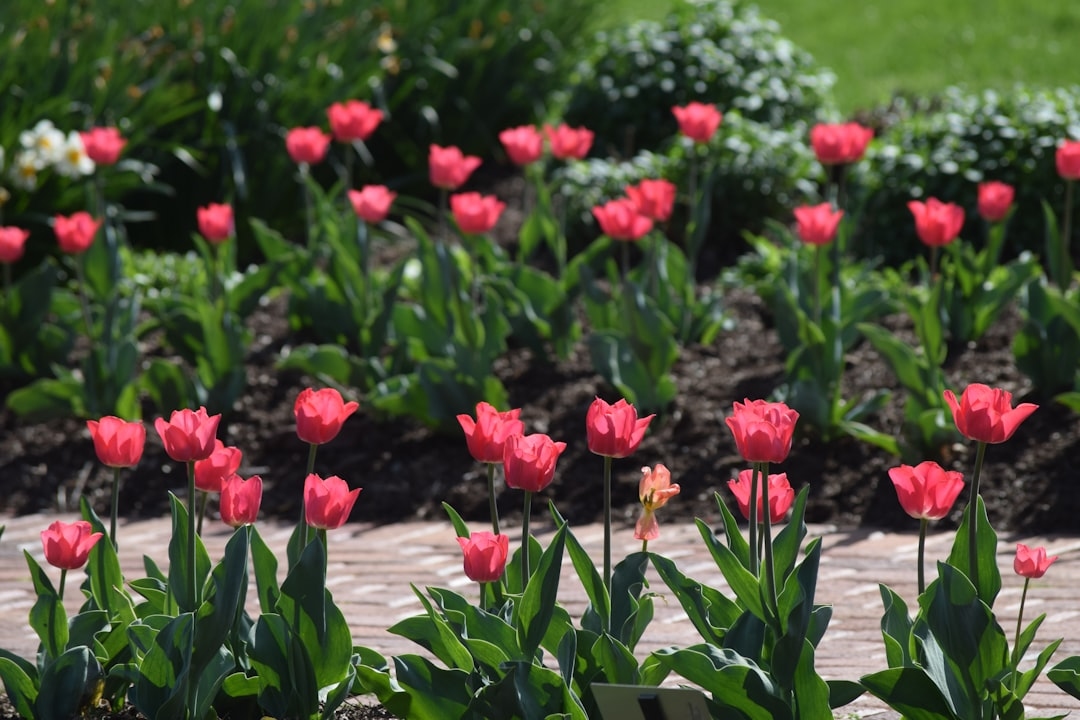
In 1637, a single Semper Augustus tulip bulb sold for 10,000 guilders — roughly the price of a luxury Amsterdam canal house. Tulipomania, as it became known, was history’s first recorded speculative bubble. Tulips, originally from Central Asia, arrived in the Netherlands via Ottoman trade routes in the 1590s. The flower’s dramatic color breaks — caused by a mosaic virus — made each bloom unpredictable and therefore highly collectible. When the market collapsed in February 1637, it left thousands financially ruined and remains a textbook case in behavioral economics. For DIY growers: plant tulip bulbs in USDA Zones 3–7 in October for spring blooms peaking in April and May.
2. Opium Poppy (Papaver somniferum) — Wars and Medicine
Few flowers have caused more suffering and more healing than the opium poppy. Cultivated since at least 3400 BCE in Lower Mesopotamia, its latex sap contains morphine, codeine, and thebaine — compounds still fundamental to modern pain management. The British East India Company’s poppy cultivation in Bengal directly triggered the First and Second Opium Wars with China (1839–1842 and 1856–1860). Today, pharmaceutical-grade poppy cultivation is tightly regulated, with Tasmania, Australia producing roughly 50% of the world’s legal opiates. The flower blooms in late spring, typically May through June across most of the US.
3. Cotton (Gossypium hirsutum) — The Engine of Slavery
Cotton’s small cream-and-pink flowers are deceptively delicate for a plant that reshaped entire continents. After Eli Whitney’s cotton gin (1793) made fiber processing efficient, US cotton production exploded from 1.5 million pounds in 1790 to 2 billion pounds by 1860. This demand entrenched the institution of slavery across the American South and defined the economic fault lines of the Civil War. Organic cotton remains a meaningful sustainable alternative today: it uses 91% less water than conventional cotton, according to the Soil Association. Cotton blooms June through August across the Deep South.
4. Tea Rose (Rosa ×odorata) — The Silk Road Messenger
The tea rose arrived in Europe from China in the early 1800s, named not for tea but because the blooms supposedly smelled like a freshly opened tea chest. It brought with it repeat-blooming genetics absent in European roses, triggering a hybridization revolution that produced thousands of new varieties over the following century. The War of the Roses (1455–1485) had already established flowers as political identity — the white rose of York versus the red rose of Lancaster — long before modern branding invented the concept. Roses are best planted bare-root in late winter across Zones 5–9.
5. Saffron Crocus (Crocus sativus) — Worth Its Weight in Gold
Saffron has been the world’s most expensive spice for over 3,500 years. Each flower produces just three stigmas, requiring approximately 75,000 blossoms — all hand-harvested — to yield one pound of dried saffron, which retails for $500–$5,000 per pound in the US market. Ancient Minoan frescoes at Akrotiri (c. 1600 BCE) depict saffron gatherers, and Alexander the Great reportedly used saffron baths to treat battle wounds. Its active antioxidant, crocin, is now being studied for antidepressant effects in clinical trials. Saffron crocus blooms in October and November — a rare autumn-flowering bulb perfect for filling the late-season garden gap.
6. Lotus (Nelumbo nucifera) — Sacred Engine of Eastern Civilization
The lotus flower has shaped religion, philosophy, and governance across Asia for over 5,000 years. In Hinduism and Buddhism, it represents spiritual purity — the ability to emerge unstained from muddy water. Every part of the plant is edible: roots, seeds, leaves, and flowers all appear in traditional cuisines across Asia. Its seeds demonstrate extraordinary longevity; a 1,300-year-old lotus seed excavated in China germinated successfully in 1994. Note: the “blue lotus” of ancient Egypt is actually a water lily (Nymphaea caerulea) — a commonly confused alternative with no botanical relation to true lotus. Lotus grows as a perennial in USDA Zones 5–10 in water gardens.
7. Chamomile (Matricaria chamomilla) — The Apothecary’s Foundation
Chamomile’s tiny white-and-yellow daisy-like flowers appear in Egyptian medical papyri dating to 1550 BCE and were one of the most widely traded medicinal herbs along medieval spice routes. Its active compound, apigenin, has documented mild sedative and anti-inflammatory effects, confirmed in a 2009 University of Pennsylvania double-blind clinical trial. Beatrix Potter had Peter Rabbit’s mother administer chamomile tea in her 1902 story — grounding the narrative in actual folk medicine of the era. Chamomile self-seeds readily and blooms May through August in most US climates, making it one of the easiest low-maintenance medicinal herbs for beginner DIY gardeners.
8. Sunflower (Helianthus annuus) — North American Native to Global Crop
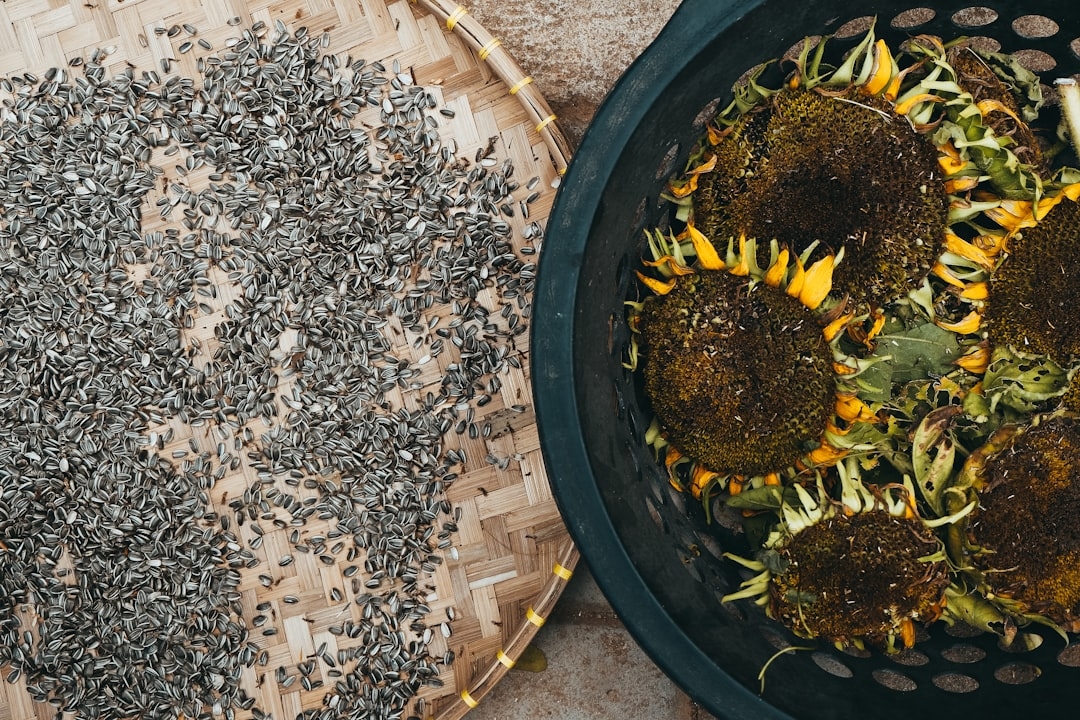
Domesticated by Indigenous peoples in North America around 3000 BCE, the sunflower was one of the continent’s few native crops. Spanish conquistadors brought it to Europe in the 1500s, where Russian breeders — motivated by a Russian Orthodox Church prohibition on most oil-rich foods during Lent — developed high-oil cultivars in the 18th century. By 1900, Russia was pressing 2 million tons of sunflower seeds annually. The US now grows approximately 1.5 million acres per year. As a sustainable choice, sunflowers attract over 150 bee species and make excellent pollinator corridors in any garden. Peak bloom runs July through September.
9. Lavender (Lavandula angustifolia) — Antiseptic Before Antiseptics Existed
Roman soldiers packed lavender in their medical kits to disinfect wounds — not folklore, but documented practice. Its active compound, linalool, has confirmed antibacterial properties, effective against Staphylococcus aureus at concentrations as low as 0.25% in laboratory studies. During World War I, when medical supplies ran short, nurses used lavender oil as a field disinfectant. Today’s global lavender essential oil market is worth approximately $520 million annually. For US gardeners in Zones 5–9, lavender blooms June through August and is drought-tolerant once established — an excellent sustainable choice for water-conscious landscaping that needs almost no irrigation after its first season.
10. Tobacco Flower (Nicotiana tabacum) — The Crop That Built Colonial America
Before the tobacco plant sets seed, it produces clusters of tubular pink blooms on 6-foot stalks — oddly beautiful for such a destructive crop. John Rolfe’s first successful tobacco harvest in Virginia (1612) saved the Jamestown colony from financial ruin. By 1620, Virginia was exporting 40,000 pounds of tobacco annually; by 1640, that figure exceeded 1.5 million pounds. Tobacco cultivation directly drove the expansion of the transatlantic slave trade into North America. The ornamental variety Nicotiana sylvestris remains a popular fragrant annual for US cottage gardens, blooming July through hard frost with no toxic alkaloid concentration in its leaves.
11. Lily of the Valley (Convallaria majalis) — Medicinal and Deadly
This delicate woodland flower contains over 38 cardiac glycosides, including convallatoxin, making it one of the most toxic plants in North America. Yet those same compounds, when refined, have been used therapeutically in cardiac medicine. In medieval Europe it was called “ladder to heaven” — a name that cuts both ways. Lily of the Valley appeared in Princess Diana’s 1981 wedding bouquet and Meghan Markle’s 2018 bouquet, cementing its status as a floral symbol of royal elegance. It naturalizes aggressively in Zones 3–8, spreading via rhizomes — sustainable once established, but always plant it in contained beds to manage spread.
12. Chrysanthemum (Chrysanthemum morifolium) — Symbol of Imperial Japan
The chrysanthemum has been Japan’s imperial symbol since Emperor Go-Toba adopted it in the 12th century. The 16-petal Imperial Seal of Japan still adorns government documents, passports, and the official residence. In China, chrysanthemum cultivation dates to at least the 15th century BCE, and the city of Ju Xian has celebrated an annual chrysanthemum festival for over 1,600 consecutive years. Blooming naturally September through November, it fills one of the most significant gaps in the US garden calendar. The flower is also edible — chrysanthemum greens (tong hao) are a staple vegetable in East Asian hot pot cuisine.
13. Clover (Trifolium repens) — The Nitrogen Fixer That Fed Nations
White clover’s small white flowers are far less glamorous than a rose or lily, but arguably more consequential. As a legume, clover fixes atmospheric nitrogen into soil through root nodules containing Rhizobium bacteria, naturally fertilizing surrounding crops. Medieval European agriculture rotated clover for this purpose centuries before anyone understood the chemistry behind it. Modern sustainable farming still relies on clover cover crops to reduce synthetic fertilizer use by up to 30%, according to USDA research. Clover blooms April through September across most of the US and consistently ranks among the top three honey sources for American beekeepers.
14. Foxglove (Digitalis purpurea) — Heart Medicine from a Wildflower
In 1785, British physician William Withering published “An Account of the Foxglove,” documenting its use in treating dropsy (congestive heart failure). The active compound, digitalis, became the foundation of modern cardiology. Digoxin — still derived from foxglove — is prescribed to roughly 3 million Americans annually for atrial fibrillation and heart failure. Foxglove blooms June through August, preferring partial shade in Zones 4–9. Critical safety note for DIY gardeners: every part of this plant is highly toxic if ingested. Do not confuse it with comfrey (Symphytum officinale), which shares similarly broad leaves but lacks the tall, spotted flower spikes that identify foxglove at a glance.
15. Jasmine (Jasminum officinale) — The Perfume Trade’s Cornerstone
Jasmine absolute — the concentrated aromatic extract from jasmine flowers — remains one of the most expensive raw materials in perfumery, retailing at $1,500–$3,000 per pound. The Grasse region of France built its entire cultural and economic identity around jasmine and rose cultivation, producing roughly 35 tons of jasmine flowers per harvest season. Jasmine arrived in Europe via Persian and Arab trade routes around the 1600s and quickly became synonymous with luxury fragrance. For US gardeners, Jasminum polyanthum (pink jasmine) thrives in Zones 8–11 and blooms February through March — one of the earliest fragrant winter-to-spring bloomers available in American nurseries.
16. Marigold (Tagetes erecta) — The Aztec Sacred Flower
Aztec priests used marigolds — called cempasúchil — in sacred rituals, medicine, and as a yellow dye for textiles and foods. Spanish colonizers brought seeds to Europe and Africa in the 1500s, where the plant naturalized so thoroughly it was sometimes mistakenly assumed to be native. Today marigolds are the official flower of Mexico’s Día de Muertos. India produces an estimated 2 million tons of marigolds annually for garland offerings and religious ceremonies. As a companion plant, marigolds repel nematodes and aphids, making them a cornerstone of organic pest management in vegetable gardens. They bloom from late spring through hard frost in all US climate zones.
17. Vanilla Orchid (Vanilla planifolia) — The Flavor of Commerce
Vanilla, the world’s second most expensive spice after saffron, comes from the cured seed pods of a climbing orchid native to Mexico. The Totonac people of Veracruz were the first to cultivate it; the Aztecs used it to flavor royal chocolate drinks. The key challenge: vanilla flowers open for just 12 hours and require hand-pollination outside their native range, where the specific Melipona bee performs the task naturally. The US spends over $400 million per year on vanilla imports. Madagascar supplies approximately 80% of the world’s vanilla, but increasing cyclone frequency linked to climate change is destabilizing that supply chain in measurable ways.
18. Echinacea (Echinacea purpurea) — Great Plains Medicine
Indigenous peoples of the Great Plains — including the Lakota, Cheyenne, and Comanche — used echinacea root and flowers to treat more documented ailments than any other plant in their pharmacopoeia. Early European settlers learned from these practices and eventually built a commercial extract industry. Today, echinacea supplements generate over $132 million in annual US retail sales. A 2015 meta-analysis in Evidence-Based Complementary and Alternative Medicine found echinacea preparations reduced the risk of recurrent respiratory infections by approximately 35%. It blooms July through September, thrives in Zones 3–9, and requires minimal water once established — an ideal sustainable native perennial.
19. Wisteria (Wisteria sinensis) — Beauty With Consequences
Wisteria arrived in the US from China in 1816, introduced by botanist Thomas Nuttall. Its cascading purple-blue flower clusters, blooming in April and May, made it an instant garden sensation. However, Chinese and Japanese wisteria are now classified as invasive in at least 19 US states, capable of strangling trees and destabilizing structures with woody vines that can exert up to 350 pounds of pressure per square foot. The sustainable alternative is straightforward: native American wisteria (Wisteria frutescens) produces similar but less aggressive lavender blooms and is non-invasive across all US regions. Always choose the native species when both are available at your local nursery.
20. Rose of Sharon (Hibiscus syriacus) — The National Flower of South Korea
Known as mugunghwa in Korean — loosely translated as “eternal flower” — Rose of Sharon has appeared in Korean poetry and national documents for over 1,500 years. It’s referenced in the South Korean national anthem and appears on official government seals. Introduced to American gardens in the 18th century, it became a Colonial-era staple prized for its August through October bloom period — one of the longest of any flowering shrub in the US. It tolerates Zones 5–9, urban pollution, drought, and poor soil. Once established, it requires almost no supplemental irrigation, making it one of the most genuinely low-maintenance sustainable shrubs available to American gardeners.
21. Cacao (Theobroma cacao) — The Currency That Built Empires
The cacao tree produces small, pale pink flowers directly on its trunk — a pollination strategy called cauliflory. Aztec ruler Moctezuma II reportedly consumed 50 cups of xocolatl daily, and cacao beans were used as currency: four beans could buy a turkey, 10 a rabbit. Spanish colonizers brought cacao to Europe in the 16th century, setting off a global trade in chocolate now representing a $130 billion industry. The entire global chocolate supply depends on hand-pollination by midges just 1–2mm long. Any disruption to midge habitat from pesticides or deforestation directly threatens production — a fragility few chocolate consumers ever consider.
22. Plumeria (Plumeria rubra) — Sacred Across Four Religions
Plumeria flowers appear in the sacred iconography of Hinduism, Buddhism, Islam (across South Asia), and indigenous Polynesian traditions. In Hawaii, they are the most commonly used flower in leis, and the fragrance anchors countless commercial perfumes. Spanish missionaries spread plumeria across the Pacific during 16th–18th century voyages. In South Asia, plumeria trees are traditionally planted in temple courtyards and cemeteries as spiritual boundary markers. In USDA Zone 10 and above — South Florida and Hawaii — plumeria blooms May through November. It can be container-grown as far north as Zone 9 with winter protection indoors, making it accessible to a wider range of US gardeners than most people realize.
23. Hops (Humulus lupulus) — The Beer Flower
Hops are technically a flowering plant — the cone-shaped structures are bracts surrounding the female flowers, called strobiles. Their use in brewing was documented in German monasteries as early as 736 CE, and by the 11th century, Benedictine abbess Hildegard of Bingen wrote extensively about hops as both a preservative and sedative herb. The shift from herb-flavored gruit ales to hop-bittered beer in 15th-century Europe was a meaningful public health improvement: hops’ antibacterial properties suppressed harmful microorganisms in brewing water. The modern US craft beer industry — worth $28.4 billion annually — depends almost entirely on hop cultivation centered in Washington’s Yakima Valley.
24. Flanders Poppy (Papaver rhoeas) — Symbol of War and Remembrance
The Flanders poppy bloomed across the churned battlefields of Belgium and northern France during World War I because Papaver rhoeas seeds can remain dormant in soil for decades, germinating rapidly when earth is disturbed. Lieutenant Colonel John McCrae’s 1915 poem “In Flanders Fields” immortalized the image globally. The Royal British Legion has distributed over 40 million paper poppies annually since 1921. This species is entirely separate from the opium poppy in every practical way — the Flanders poppy contains no significant opiates. It’s a lightweight annual that self-seeds prolifically in well-drained soil, blooming May through July in Zones 4–9 with zero maintenance once established.
25. Magnolia (Magnolia grandiflora) — A Flower Older Than Bees
Magnolias are among the most ancient flowering plants on Earth, with fossils dating back 95 million years — predating the evolution of bees by roughly 5 million years. They evolved to be pollinated by beetles, which explains the flower’s unusually robust, thick petals built to withstand clumsy beetle movement. Charles Sprague Sargent, first director of Harvard’s Arnold Arboretum, described magnolias as representing the most primitive surviving flowering plant group. The Southern magnolia is the state flower of both Mississippi and Louisiana. It blooms April through June and thrives in Zones 7–9 with minimal pruning and no significant pest pressure in most US climates.
26. Calendula (Calendula officinalis) — The Wound Healer of Two Wars
Calendula’s vivid orange and yellow flowers were used as wound-healing poultices by both Union and Confederate field surgeons during the American Civil War. In World War I, they were again pressed into service when conventional medical supplies ran short. Its anti-inflammatory compound, calendulosides, is now an active ingredient in dozens of FDA-registered topical wound care products. For DIY garden pharmacies, calendula is among the most practical herbs to grow: it blooms from late spring through fall frost in most US climates, self-seeds reliably, and dried petals infused into carrier oils produce homemade salves with a shelf life of 12–18 months — a tangible hands-on project for any gardener.
27. Borage (Borago officinalis) — Bee Superfood and Courage Tonic
Medieval soldiers infused borage flowers in wine believing it conferred courage — “I, borage, bring always courage,” read one Roman inscription. Modern science has since identified that borage seed oil contains 20–26% gamma-linolenic acid (GLA), one of the highest concentrations of any plant, with confirmed anti-inflammatory effects in peer-reviewed studies. The star-shaped blue flowers are extraordinarily attractive to bees: a single borage plant produces 800 or more flowers per season, each replenishing nectar every two minutes. As a sustainable garden plant, borage self-seeds aggressively, requires zero synthetic fertilizer, and blooms May through September — a nearly effort-free pollinator magnet.
28. Black-Eyed Susan (Rudbeckia hirta) — The Prairie Native That Survived Everything
Black-eyed Susans blanketed the tallgrass prairies of central North America long before European contact, co-evolving with bison herds and periodic fire cycles. When prairie restoration projects launched in the 1980s, black-eyed Susan consistently ranked among the top three plants in successfully re-establishing native pollinator corridors across the Midwest. The state flower of Maryland, it blooms June through October in Zones 3–9 with essentially zero maintenance. As a sustainable native alternative to invasive ornamentals like purple loosestrife, it supports 17 specialist bee species and dozens of butterfly species, making it one of the highest ecological-value plants per square foot available to US gardeners.
29. Night-Blooming Cereus (Selenicereus grandiflorus) — The Clock Flower
This cactus produces enormous white flowers up to 12 inches across that bloom exclusively between 9 p.m. and midnight — then close forever by dawn, living just one night. In 19th-century Victorian England, “cereus parties” were social events hosted specifically to witness the bloom, considered among nature’s most profound spectacles. Carl Linnaeus referenced it as a botanical curiosity, and it was used in homeopathic cardiac medicine throughout the 1800s. US DIY gardeners can container-grow it in Zones 10–11 outdoors or as a houseplant nationwide, with mature plants typically producing their single annual bloom between June and July after several years of growth.
30. Dandelion (Taraxacum officinale) — The Misunderstood Conqueror
Dandelions were likely deliberately brought to North America by European colonists in the 1600s as a food and medicine crop — every part is edible and nutrient-dense, with a single cup of raw greens delivering 112% of the daily value of vitamin A. Victorian seed catalogs advertised them enthusiastically as a cultivated vegetable. The plant only became a “weed” after the post-WWII lawn industry emerged and began marketing chemical herbicides. Dandelions are now the most widely distributed flowering plant on Earth. Ecologically, they are critical early-spring pollen sources — typically blooming February through April across most of the US — filling a seasonal gap that honeybee colonies depend on to build their spring populations before other flowers open.
Seasonal Bloom Calendar: When These Historic Flowers Peak in the US
| Season | Month Range | Notable Historic Flowers in Peak Bloom |
|---|---|---|
| Late Winter / Early Spring | Feb – Mar | Dandelion, Jasmine, Magnolia (early varieties) |
| Spring | Apr – May | Tulip, Lily of the Valley, Wisteria, Foxglove, Flanders Poppy, Rose |
| Early Summer | Jun – Jul | Lavender, Chamomile, Cotton, Tobacco, Calendula, Black-Eyed Susan |
| Late Summer | Aug – Sep | Sunflower, Echinacea, Hops, Borage, Rose of Sharon |
| Autumn | Oct – Nov | Saffron Crocus, Chrysanthemum, Marigold |
Invasive vs. Native Alternatives: A Practical Comparison
| Invasive or Problematic Species | Sustainable Native Alternative | Bloom Season | USDA Zones |
|---|---|---|---|
| Chinese Wisteria (W. sinensis) | American Wisteria (W. frutescens) | Apr – May | 5–9 |
| English Lavender (high water use) | Native Bee Balm (Monarda fistulosa) | Jun – Aug | 4–9 |
| Foxglove (toxic, biennial, non-native) | Native Penstemon species | May – Jul | 3–9 |
| Dandelion (mislabeled as invasive) | Keep dandelions — ecologically essential | Feb – Apr | All zones |
How to Choose Which Historic Flowers to Grow
Not every historically significant flower belongs in every garden. Before you plant, run through these four practical filters:
- Confirm your USDA Hardiness Zone. The USDA Plant Hardiness Zone Map divides the US into 13 zones based on average minimum winter temperatures. A plant rated for Zone 7 (minimum 0°F to 10°F) will not survive a Zone 5 winter outdoors. Cross-reference every plant on this list at planthardiness.ars.usda.gov before purchasing.
- Check your state’s invasive species list. Wisteria is legal to sell in all 50 states but ecologically devastating in 19 of them. Verify any non-native species at the USDA PLANTS Database before introducing it to your property. This takes five minutes and prevents years of remediation work.
- Match the plant to your existing site conditions. Lavender and saffron crocus need sharp drainage and full sun. Lily of the Valley and foxglove prefer moist, shaded woodland edges. Matching a plant to what’s already there eliminates most supplemental watering and soil amendment costs from the start.
- Prioritize multi-use plants for small gardens. Calendula, echinacea, chamomile, and black-eyed Susan all provide ornamental beauty, pollinator support, and practical harvest value — flowers, seeds, or medicinal preparations — from the same square footage. For a DIY gardener working with a 200-square-foot herb bed, multi-use natives deliver the best return on space, time, and money.
The Sustainability Case for Growing Historic Flowers
Several of the most impactful species on this list — echinacea, black-eyed Susan, clover, calendula, and borage — are naturally adapted to low-input US gardens and require little to no synthetic fertilizer or pesticide. The key principle here is supported by hard data: native plants support 10 to 50 times more wildlife than exotic ornamentals, according to entomologist Doug Tallamy’s research at the University of Delaware. Even a 10-by-10-foot patch combining echinacea, black-eyed Susan, and native wisteria can meaningfully support local pollinator populations across the full growing season.
For non-native species with irreplaceable historical significance — tulips, saffron crocus, lavender — focus on water-wise cultivation. Drip irrigation reduces water use by 30–50% compared to overhead sprinklers. Mulching with 3 inches of wood chips reduces soil moisture evaporation by an additional 25%. These two practices together make even thirsty exotic plants manageable in most US climates without significant environmental cost.
Flowers That Changed History: What Comes Next
The flowers that changed history were not chosen by accident. They were selected, cultivated, traded, and venerated because they offered something irreplaceable — medicine, flavor, fiber, beauty, or spiritual meaning. That selection pressure is still operating today, which is why botanical gardens, heirloom seed libraries, and organic growers matter far more than their modest public profiles suggest. The genetic diversity preserved in a heritage tulip collection or a wild echinacea prairie patch is not nostalgia. It is the raw material for the next chapter of botanical history.
The practical step available to you right now: add one native historic flower to your garden this season. A single patch of echinacea or black-eyed Susan puts you in a lineage of cultivation stretching back thousands of years — and actively supports the ecological systems those ancient growers never knew they depended on. Start with one plant. That’s always how consequential things begin.
Frequently Asked Questions
What flowers have had the biggest impact on human history?
The opium poppy, cotton, saffron crocus, tea rose, and lotus rank among the most historically impactful flowers. Each shaped trade, medicine, economics, or entire civilizations across thousands of years. The opium poppy directly triggered two 19th-century wars; cotton’s fiber production entrenched the American slave economy; saffron has been the world’s most valuable spice for 3,500 years.
Which flower started the first economic bubble in history?
The tulip triggered Tulipomania in 1637 — history’s first recorded speculative market bubble. A single rare Semper Augustus tulip bulb sold for the equivalent of a luxury Amsterdam canal house before the market collapsed in February of that year, financially ruining thousands of investors.
What is the oldest flowering plant in recorded history?
Magnolias are among the most ancient flowering plants, with fossil evidence dating back approximately 95 million years. They predate the evolution of bees entirely and evolved to be pollinated by beetles, explaining their unusually robust, thick petals designed to survive clumsy beetle movement.
Are any historically significant flowers invasive in the US?
Yes. Chinese wisteria (Wisteria sinensis) and Japanese wisteria (Wisteria floribunda) are invasive in at least 19 US states. The opium poppy is federally restricted. Always check the USDA PLANTS Database and your state’s invasive species registry before planting any non-native historic species in American gardens.
Which historic flowers are easiest for beginner DIY gardeners to grow?
Calendula, chamomile, sunflower, black-eyed Susan, echinacea, and dandelion are the most forgiving choices for beginners. All thrive in average US garden soil with minimal inputs, bloom reliably in their first season, and offer additional value as medicinal herbs, pollinator plants, or edible flowers well beyond their ornamental appeal.

+ There are no comments
Add yours