



Contents:
- Why Propagating from Cuttings Actually Makes Sense
- Understanding the Types of Cuttings
- Softwood Cuttings
- Semi-Hardwood Cuttings
- Hardwood Cuttings
- Heel Cuttings
- What You’ll Need: Tools and Supplies
- Essential Tools
- Optional but Helpful
- Quick Cost Breakdown
- Step-by-Step: How to Take and Root Flower Cuttings
- Step 1: Choose the Right Parent Plant
- Step 2: Take the Cutting Correctly
- Step 3: Prepare the Cutting
- Step 4: Apply Rooting Hormone
- Step 5: Plant in Propagation Medium
- Step 6: Create a Humid Environment
- Step 7: Monitor and Wait
- Step 8: Pot Up and Harden Off
- Best Flowers for Propagating from Cuttings
- Easy — Great for Beginners
- Intermediate — Rewarding with a Little Patience
- Advanced — Worth the Extra Effort
- Seasonal Timing: When to Take Cuttings
- Propagation Methods Beyond Basic Stem Cuttings
- Leaf-Bud Cuttings
- Leaf Cuttings
- Basal Cuttings
- Common Mistakes to Avoid When Propagating Flowers
- Eco-Friendly Propagation: Doing More with Less
- Troubleshooting: When Cuttings Fail
- Cutting Wilts and Collapses Immediately
- Stem Base Turns Black and Mushy
- Leaves Yellow and Drop, But Stem Stays Firm
- No Roots After 8+ Weeks (For Softwood Types)
- Scaling Up: From a Few Cuttings to a Real Propagation Station
- The Complete Propagating Flowers Cuttings Guide: Plant-by-Plant Reference
- FAQ: Propagating Flowers from Cuttings
- How long does it take for flower cuttings to root?
- Do I need rooting hormone to propagate flower cuttings?
- Can I propagate flowers in water instead of soil?
- What is the best time of year to take flower cuttings?
- Why are my cuttings wilting even though I’m keeping them moist?
- Ready to Root? Here’s Your Next Move
You can multiply your favorite flowers for free — and it’s easier than most people think. Propagating flowers from cuttings is one of gardening’s best-kept open secrets: a technique so effective that professional nurseries rely on it to produce millions of plants every year. Yet for some reason, many home gardeners assume it’s too complicated, too technical, or too hit-or-miss to bother with. It’s none of those things. This propagating flowers cuttings guide will walk you through everything — the science, the supplies, the steps, and the sneaky mistakes that quietly kill your progress — so you can go from a single beloved plant to a whole garden full of its clones, often for less than $10 in supplies.
Why Propagating from Cuttings Actually Makes Sense
Before we get into the how, let’s talk about the why — because once you understand what’s happening at the biological level, you’ll trust the process a lot more.
When you take a cutting from a plant and coax it to grow roots, you’re exploiting one of nature’s most remarkable abilities: vegetative reproduction. Unlike growing from seed, which introduces genetic variation, cuttings produce plants that are genetically identical to the parent. That means if you have a rose with an unusually deep red bloom, or a zinnia that’s been thriving in your specific soil for years, every cutting you root will carry those exact traits forward.
Nurseries figured this out long ago. According to the University of Florida IFAS Extension, the majority of woody ornamentals and many perennial flowers sold commercially are propagated vegetatively, not from seed, precisely because it guarantees consistency. You’re essentially doing what the pros do, just in your garage or kitchen windowsill.
There’s also a sustainability angle here that’s genuinely exciting. Every cutting you root is a plant you don’t have to buy, package, or ship. You’re reducing demand for plastic nursery pots, cutting down on transport emissions, and keeping plant material in your local ecosystem. If you share cuttings with neighbors — which is one of the great pleasures of this hobby — you’re also helping preserve heirloom and heritage varieties that aren’t always easy to find in stores.
Understanding the Types of Cuttings
Not all cuttings are created equal. The term “cutting” actually covers several distinct techniques, and choosing the right one for your plant dramatically improves your success rate.
Softwood Cuttings
These come from new, actively growing stem tips — the soft, green growth that appears in spring and early summer. Softwood cuttings root quickly, often within 2–4 weeks, because the tissue is young and metabolically active. They’re ideal for impatiens, petunias, fuchsias, salvias, and most annuals. The tradeoff is that they wilt easily, so you need to work fast and keep them moist.
Semi-Hardwood Cuttings
Taken from stems that have partially matured — firm but not woody — semi-hardwood cuttings strike a nice balance between rooting speed and durability. Late summer is prime time for these. Gardenias, camellias, and many flowering shrubs respond well to this method. Expect rooting in 4–8 weeks under good conditions.
Hardwood Cuttings
These come from fully dormant, woody stems, usually cut in late fall or winter after the plant has gone dormant. Roses are the classic example. Hardwood cuttings take longer — sometimes 8–16 weeks — but they’re tough, forgiving, and don’t require the humidity management that softwood cuttings demand. Great for beginners who want a low-maintenance approach.
Heel Cuttings
A specialized variation where a side shoot is pulled away from the main stem with a small “heel” of older wood attached. This heel contains concentrated rooting hormones and often results in faster, stronger root development. Particularly effective for lavender, rosemary, and dianthus.
What You’ll Need: Tools and Supplies
One of the most refreshing things about this hobby is how little gear you actually need. Here’s a realistic breakdown.
Essential Tools
- Sharp pruning shears or a clean craft knife: Dull blades crush stem cells instead of cutting them cleanly, which impedes rooting. A basic pair of Fiskars bypass pruners runs about $12–$18 at most garden centers.
- Rooting hormone: Available as powder, gel, or liquid. Powder (like Bonide’s IBA rooting powder) is the most beginner-friendly at around $6–$10 for a container that will last years. The active ingredient, indole-3-butyric acid (IBA), mimics the plant’s natural rooting signals.
- Propagation medium: A mix of perlite and peat (or coco coir) in a 1:1 ratio works well for most flowers. Avoid regular potting soil — it’s too dense and holds too much moisture, which encourages rot rather than roots.
- Small pots or cell trays: 3- to 4-inch pots are ideal. Reuse old nursery containers or pick up a 50-cell seed tray for about $5.
- Clear plastic bag or humidity dome: Cuttings need high humidity (around 85–90%) before roots form. A gallon zip-lock bag placed loosely over a pot costs nothing.
Optional but Helpful
- Heat mat: Soil temperatures of 65–75°F dramatically speed rooting. A basic seedling heat mat costs $20–$30 and makes a noticeable difference, especially in cooler climates or during winter propagation.
- Grow light: Not essential outdoors, but a simple LED grow light helps if you’re working indoors in winter. Budget around $25–$40 for a basic bar-style light.
- Isopropyl alcohol: Use it to sterilize your cutting tools between plants. A bottle costs about $2 and prevents transmitting disease between specimens.
Quick Cost Breakdown
If you’re starting from scratch, here’s what a complete beginner setup costs:
- Pruning shears: $12–$18
- Rooting hormone powder: $6–$10
- Perlite (8 qt bag): $8–$12
- Coco coir brick: $5–$8
- Cell trays: $4–$6
- Heat mat (optional): $20–$30
Total: $35–$54 for a full setup (or as little as $15–$25 if you skip the heat mat and reuse containers you already have). Compare that to buying even 5–6 established plants at $8–$15 each from a nursery, and you’re ahead financially within your first batch.
Step-by-Step: How to Take and Root Flower Cuttings
Here’s where theory meets practice. Follow these steps carefully, and you’ll give your cuttings the best possible start.
Step 1: Choose the Right Parent Plant
Your cutting is only as good as the plant it comes from. Select a parent plant that is healthy, actively growing, and free from pests or disease. Avoid plants that are under stress from drought, heat, or root problems — stressed plants produce cuttings that struggle to root. Ideally, water the parent plant thoroughly the evening before you take cuttings so the stems are fully hydrated.
Step 2: Take the Cutting Correctly
For softwood and semi-hardwood cuttings, cut a stem tip that is 3–5 inches long, just below a leaf node (the point where a leaf attaches to the stem). Make the cut at a 45-degree angle — this increases the surface area exposed to rooting hormone and improves water uptake. For hardwood cuttings, cut sections 6–8 inches long.
Do this in the cool of the morning, when stems are most hydrated. Place cuttings immediately into a plastic bag with a damp paper towel, or directly into water, to prevent wilting. Even 10–15 minutes of exposure to dry air can compromise a softwood cutting.
Step 3: Prepare the Cutting
Strip all leaves from the bottom two-thirds of the cutting, leaving only 2–4 leaves at the top. Too many leaves cause excessive moisture loss through transpiration before roots are present to replace that water. If the remaining leaves are large (like with hydrangeas), cut them in half to further reduce water loss.
For woody-stemmed flowers, gently scrape a 1-inch section of the outer bark at the base of the cutting with your knife. This “wounding” exposes the cambium layer, which is where new roots emerge, and significantly boosts rooting success rates — studies from Cornell Cooperative Extension have shown wounding increases rooting percentage by up to 30% in some woody ornamentals.
Step 4: Apply Rooting Hormone
Dip the bottom inch of the cutting into water first, then into rooting hormone powder. Tap off any excess — too much rooting hormone can actually inhibit root growth. If using gel rooting hormone, dip and hold for 5 seconds. If using liquid concentrate, follow the dilution instructions carefully, as concentration levels vary significantly by brand.
Step 5: Plant in Propagation Medium
Pre-moisten your perlite/coco coir mix before planting. Use a pencil or chopstick to make a small hole in the medium before inserting the cutting — this prevents scraping the rooting hormone off the stem as you push it in. Insert the cutting to about one-third of its length, and firm the medium gently around it.
Step 6: Create a Humid Environment
Cover the cutting with a clear plastic bag, a cut plastic bottle, or a proper humidity dome. The goal is to keep humidity above 80% while the cutting is developing roots. Set the pot somewhere bright but out of direct sunlight — direct sun through plastic will cook your cuttings. A north- or east-facing windowsill is often ideal. Temperatures between 65°F and 75°F are optimal for most flowering plants.
Step 7: Monitor and Wait
Check your cuttings every 2–3 days. Mist them if the medium begins to dry out, and remove the humidity cover briefly to allow fresh air circulation (about 10 minutes daily) to reduce fungal risk. Look for signs of new leaf growth — this is usually the first visible sign that roots are forming below the surface.
To check root development without disturbing the cutting, gently tug on the stem after 2–3 weeks. Resistance means roots have formed. Alternatively, look for roots emerging from the drainage holes of the pot.
Step 8: Pot Up and Harden Off
Once roots are 1–2 inches long, it’s time to pot up into regular potting mix. Don’t rush this step — cuttings potted too early often stall or collapse. After potting, “harden off” the new plant over 7–10 days by gradually reducing humidity and increasing sun exposure. Move it outdoors to a sheltered spot for a few hours each day before eventually leaving it out full-time.
Best Flowers for Propagating from Cuttings
Some flowers are practically eager to root. Others require more patience or specific conditions. Here’s a practical breakdown organized by difficulty level.
Easy — Great for Beginners
- Impatiens: Root in water or soil within 1–2 weeks. Almost foolproof.
- Petunias: Soft stems root readily in 2–3 weeks. Ideal for extending summer color cheaply.
- Begonias: Can even be propagated from single leaves. Softwood cuttings root in 2–4 weeks.
- Coleus: Technically grown for foliage but flowers beautifully; cuttings root in a glass of water in 7–10 days.
- Geraniums (Pelargonium): Let cuttings air-dry for an hour before planting to reduce rot risk. Root in 3–4 weeks.
Intermediate — Rewarding with a Little Patience
- Roses: Hardwood cuttings taken in fall root reliably, especially with a heat mat. Expect 8–12 weeks.
- Dahlias: Take basal cuttings (shoots emerging from the tuber) in spring. Root in 3–5 weeks.
- Hydrangeas: Softwood cuttings in early summer; cut leaves in half to reduce stress. Root in 4–6 weeks.
- Fuchsia: Semi-hardwood cuttings root well in late summer. Keep humidity high.
- Salvia: Both annual and perennial types propagate easily from softwood tips in spring.
Advanced — Worth the Extra Effort
- Gardenia: Finicky about temperature; roots best with a heat mat at 70–75°F. Semi-hardwood cuttings in late summer.
- Camellia: Semi-hardwood cuttings in late summer; slow to root (8–16 weeks) but results in valuable plants worth $30–$80 at nurseries.
- Bougainvillea: Needs bottom heat and very well-draining medium. Semi-hardwood cuttings with a wound.
Seasonal Timing: When to Take Cuttings
Timing matters more than most beginners expect. A cutting taken at the wrong time of year from the right plant will struggle, while a cutting taken at peak growing time almost roots itself.
As a general rule:
- Spring (March–May): Prime time for softwood cuttings of annuals and tender perennials. New growth is abundant and roots fast.
- Early Summer (June–July): Good for semi-hardwood cuttings of flowering shrubs like hydrangeas and roses. Stems are firming up nicely.
- Late Summer (August–September): Ideal for semi-hardwood cuttings of camellias, gardenias, and broadleaf evergreens.
- Fall–Winter (October–February): Hardwood cutting season for roses, forsythia, and other deciduous flowering shrubs. The plants are dormant, and rooting happens slowly but reliably.
Your USDA Hardiness Zone affects these windows. Gardeners in Zone 9–11 (California, Florida, Gulf Coast) can take softwood cuttings of many perennials almost year-round because plants don’t fully go dormant. Those in Zones 4–6 need to work within tighter seasonal windows and may want to use a heat mat to extend their indoor propagation season into winter.
Propagation Methods Beyond Basic Stem Cuttings
Stem cuttings are the most common approach, but flower propagation has a few other tricks up its sleeve that are worth knowing.
Leaf-Bud Cuttings
Used for camellias and a few other flowering shrubs, this involves a single leaf with a small piece of stem and a bud attached. It’s compact, uses minimal plant material, and can produce many new plants from a single branch. Rooting takes 8–12 weeks.
Leaf Cuttings
Begonias, African violets (Saintpaulia), and sedums can be propagated from leaves alone — either whole or cut into sections. While most true flowering garden plants don’t root well from leaves alone, if you grow any of these types, it’s an excellent technique to know.
Basal Cuttings
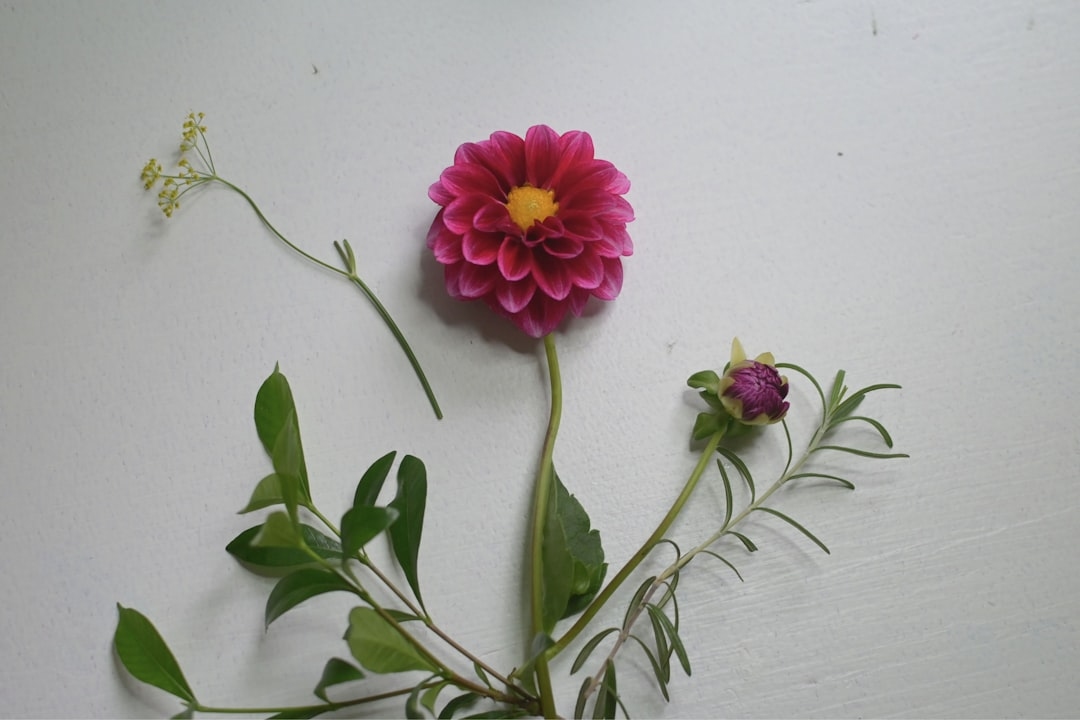
These are the shoots that emerge at the base of a clump-forming perennial like dahlias, delphiniums, or chrysanthemums in spring. They’re extremely rich in rooting hormones naturally, and they root very quickly — often in 2–3 weeks. Taking basal cuttings also encourages the parent plant to branch more freely, resulting in more flowers. Win-win.
Common Mistakes to Avoid When Propagating Flowers
Even experienced gardeners make these errors. Getting them right turns a 40% success rate into an 80%+ one.
- Using blunt or dirty tools: A crushed stem base is a highway for fungal rot. Clean and sharpen your cutting tools before every propagation session — it takes two minutes and makes a real difference.
- Taking cuttings at the wrong stage: Stems that are too young (extremely soft, almost translucent) wilt before they can root. Stems that are too mature (fully woody in a species that prefers softwood cuttings) root very slowly or not at all. Aim for the “snap test” — a healthy softwood cutting should bend without immediately flopping over.
- Overwatering: The propagation medium should be moist like a wrung-out sponge, not soggy. Soggy medium means low oxygen, which prevents root formation and encourages pythium rot (a water mold that kills cuttings rapidly).
- Too much direct sun: Cuttings have no roots yet — they can’t replace water lost through the leaves. Bright indirect light is ideal until roots form. Direct afternoon sun through a window will cause rapid wilting.
- Removing the humidity cover too soon: Many beginners see new leaf growth and assume the cutting is established. New leaves can appear before significant roots have formed. Wait until you feel resistance when gently tugging the cutting, then begin gradually reducing humidity rather than removing it all at once.
- Not labeling cuttings: This seems trivial until you have six different salvias and three types of roses all in identical pots. Label everything with the plant name and the date the cutting was taken.
- Giving up too early: Some cuttings — especially woody ones — look completely dead for 6–8 weeks before suddenly pushing out new growth. Unless the stem is mushy or has obvious rot, keep waiting.
Eco-Friendly Propagation: Doing More with Less
The green credentials of propagating from cuttings go deeper than just “free plants.” Here’s how to make an already sustainable practice even more environmentally responsible.
Use coco coir instead of peat moss. Traditional peat-based propagation mixes are effective, but peat is a non-renewable resource harvested from ancient carbon-storing bogs. Coco coir — made from coconut husks, a byproduct of the coconut industry — performs similarly for moisture retention and aeration, and it’s fully renewable. It typically costs the same or slightly less than peat.
Reuse propagation containers. Yogurt cups, take-out containers, and old nursery pots all work perfectly as propagation vessels. Drill a few drainage holes in the bottom and you’re set. This keeps plastic out of landfills and saves money.
Share and swap cuttings. Many cities have active plant swap communities on Facebook, Nextdoor, or through local garden clubs. Trading cuttings keeps heritage and rare varieties circulating locally, reduces the commercial production footprint, and — honestly — is a wonderful way to meet fellow gardeners.
Make your own rooting hormone. Willow water — made by soaking young willow stems in water overnight — contains natural IBA and salicylic acid. It’s a legitimate, research-backed alternative to commercial hormone powder for many softwood cuttings. It costs nothing, leaves no synthetic residue, and is completely biodegradable.
Compost your failures. Not every cutting will make it, and that’s fine. Failed cuttings go straight into the compost rather than the trash — they become organic matter that feeds next year’s garden.
Troubleshooting: When Cuttings Fail
Even when you do everything right, some cuttings don’t make it. Here’s how to diagnose what went wrong.
Cutting Wilts and Collapses Immediately
This usually means the cutting was taken from a dehydrated parent plant, or the stems were left exposed to air too long before planting. Make sure to water the parent plant the night before, work in the cool morning hours, and get cuttings into a humid environment within 15–20 minutes of taking them.
Stem Base Turns Black and Mushy
Stem rot, typically caused by pythium or botrytis fungus. The medium is probably staying too wet, or there isn’t enough air circulation. Remove the affected cutting immediately (don’t leave it in the pot — it will infect others), improve drainage, and reduce watering frequency. A very light dusting of powdered cinnamon on the cut end before inserting it in the medium has some antifungal properties and won’t hurt rooting.
Leaves Yellow and Drop, But Stem Stays Firm
Some leaf drop is normal — the plant is shedding tissue it can’t support. As long as the stem is firm and not discolored, keep waiting. If the top 1–2 leaves remain and look healthy, the cutting is likely working on roots below the surface.
No Roots After 8+ Weeks (For Softwood Types)
Check temperature first — soil temperature below 60°F dramatically slows rooting for most flowering plants. Also reconsider whether you’re using the right type of cutting for the species and time of year. Sometimes, the simplest fix is moving the pots somewhere warmer.
Scaling Up: From a Few Cuttings to a Real Propagation Station
Once you’ve had your first successful batch, it’s very easy to get hooked. Scaling up your propagation setup doesn’t have to mean spending a lot of money.
A basic propagation station for 50–100 cuttings at a time can be assembled for about $60–$100:
- A 50-cell or 72-cell plug tray with a clear humidity dome: $8–$12
- A single-zone heat mat sized for a standard flat: $20–$30
- A simple LED grow light on a timer (18 hours on, 6 hours off): $25–$40
- A 2-gallon bag of perlite and a coco coir brick: $12–$15
With this setup, you can propagate hundreds of plants per season. At $8–$12 per plant at retail, producing even 30 successful cuttings represents $240–$360 in plant value — from a setup that cost less than $100 and will last for years.
If you want to share or sell surplus plants, check your local regulations. Many states allow homeowners to sell plants at farmers markets or roadside stands without a nursery license, provided they’re grown in their own garden. The American Nursery and Landscape Association has resources on state-specific regulations if you want to go that route.
The Complete Propagating Flowers Cuttings Guide: Plant-by-Plant Reference
Here’s a quick-reference summary for the most popular flowering plants, including optimal cutting type, timing, and average rooting time:
- Rose: Hardwood cutting | Oct–Feb | 8–12 weeks | Wound stem base
- Hydrangea: Softwood cutting | May–July | 4–6 weeks | Cut leaves in half
- Impatiens: Softwood cutting | Spring–Summer | 1–2 weeks | Can root in water
- Petunia: Softwood cutting | Spring | 2–3 weeks | High success rate
- Dahlia: Basal cutting | March–April | 3–5 weeks | Taken from emerging tuber shoots
- Fuchsia: Semi-hardwood | Aug–Sept | 3–5 weeks | Keep very humid
- Gardenia: Semi-hardwood | Aug–Sept | 6–10 weeks | Needs heat mat
- Camellia: Semi-hardwood | Aug–Oct | 8–16 weeks | Wound stem; very patient required
- Salvia: Softwood cutting | April–June | 2–4 weeks | Both annual and perennial types
- Geranium (Pelargonium): Softwood cutting | Spring–Fall | 3–4 weeks | Let cut end dry 1 hour before planting
- Begonia: Softwood or leaf cutting | Spring–Summer | 2–4 weeks | Highly versatile
- Chrysanthemum: Basal cutting | March–May | 3–4 weeks | Take from new spring shoots
- Lavender: Heel cutting | Late Summer | 4–6 weeks | Use gritty, low-fertility mix
- Phlox: Softwood cutting | May–June | 3–5 weeks | Root cutting or basal shoot
FAQ: Propagating Flowers from Cuttings
How long does it take for flower cuttings to root?
Rooting time varies by plant type and method. Softwood cuttings of fast-rooting species like impatiens or coleus can root in 7–14 days. Most annual and perennial flowers root in 2–5 weeks. Hardwood cuttings of woody flowering shrubs like roses or camellias typically take 8–16 weeks. Soil temperature has the biggest impact on speed — cuttings root 30–50% faster at 70°F than at 60°F.
Do I need rooting hormone to propagate flower cuttings?
Not always, but it significantly improves success rates. Easy-to-root plants like impatiens, begonias, and coleus will root without any hormone. For harder-to-root species — roses, gardenias, camellias — rooting hormone (IBA powder or gel) meaningfully increases both the percentage of cuttings that root and the speed at which they do so. Willow water is a free, natural alternative that works well for softwood cuttings.
Can I propagate flowers in water instead of soil?
Yes, for many soft-stemmed flowers. Impatiens, coleus, begonias, and geraniums all root readily in a glass of water placed in bright indirect light. Change the water every 2–3 days to prevent bacterial growth. The downside is that water-rooted cuttings sometimes struggle when transplanted to soil because they’ve developed roots adapted to an oxygen-rich aquatic environment. Transplant them to potting mix before roots exceed 2 inches to minimize transplant shock.
What is the best time of year to take flower cuttings?
It depends on the type of cutting. Spring through early summer is best for softwood cuttings of annuals and perennials, when growth is new and vigorous. Late summer (August–September) is ideal for semi-hardwood cuttings of flowering shrubs. Fall and winter work well for hardwood cuttings of dormant deciduous shrubs like roses. In warmer USDA zones (9–11), softwood propagation can continue almost year-round.
Why are my cuttings wilting even though I’m keeping them moist?
Wilting before roots form is a moisture-loss problem, not a watering problem. Without roots, cuttings can’t replace water lost through their leaves. Increase humidity around the cutting by covering it with a plastic bag or humidity dome, reduce leaf surface area by removing lower leaves and cutting large leaves in half, and move it out of direct sunlight. If the stem itself is still firm and green, the cutting is likely still viable — give it a few more days.
Ready to Root? Here’s Your Next Move
The best way to learn propagating flowers from cuttings is simply to start. Pick the easiest plant you have — an impatiens, a petunia, a geranium — snip a few stems this weekend, and stick them in a glass of water on your windowsill. You’ll have roots within two weeks, and suddenly the whole world of vegetative propagation will feel wide open.
From there, work your way up to your dream plants: the heritage rose you’ve been eyeing, the hydrangea that lights up your neighbor’s yard every June, the dahlia that wins every compliment at the farmers market. None of them are out of reach. They all start with a clean cut, a damp medium, and a little patience.
The environmental upside compounds too. Every plant you propagate is one fewer plastic pot bought, one fewer truck delivery made, one more piece of genetic diversity kept alive in your neighborhood. That’s not a small thing.
Grab your shears. Your garden — and your wallet — will thank you.
+ There are no comments
Add yours