

Contents:
- Why Organic Methods Produce Better Flowers Over Time
- Building the Foundation: Organic Soil for Flower Gardens
- Understanding Your Soil Before You Plant
- Compost: The Single Most Effective Amendment
- Other Organic Soil Amendments Worth Knowing
- Choosing Flowers That Thrive Organically
- The Best Organic Flower Choices by Category
- Organic Flower Gardening vs. Conventional Container Gardening
- Natural Fertilizing: Feeding Flowers Without Synthetic Inputs
- Reading Organic Fertilizer Labels
- Quick Budget Estimate: Organic Fertilizing for a 200 sq ft Flower Bed
- Organic Pest Control for Flower Gardens
- The Pest Tolerance Threshold Principle
- Physical Controls: The First Line of Defense
- Biological Controls
- Organic Sprays That Actually Work
- Organic Disease Management for Flowers
- Cultural Practices That Prevent Disease
- Organic Disease Treatments
- Water Management in an Organic Flower Garden
- How to Water Correctly
- Mulching to Conserve Moisture and Suppress Weeds
- Organic Flower Gardening Through the Seasons
- Spring: Soil Preparation and Early Planting
- Summer: Peak Management Season
- Fall: The Setup Season
- Winter: Planning and Soil Building
- Attracting Pollinators to Your Organic Flower Garden
- Starting an Organic Flower Garden From Scratch: Practical Steps
- Sheet Mulching: The No-Till Method
- What to Expect in Year One
- Frequently Asked Questions
- What is the best organic fertilizer for flowering plants?
- How do I get rid of aphids organically?
- Can I grow roses organically?
- How long does it take to transition a conventional flower garden to organic?
- Is organic flower gardening more expensive than conventional gardening?
- Building Your Organic Flower Garden: The Next Step
In 1840, German chemist Justus von Liebig published a landmark paper arguing that plants needed only nitrogen, phosphorus, and potassium to thrive — a finding that launched the synthetic fertilizer industry and, eventually, the chemical-dependent gardens most of us grew up seeing. For nearly a century, that model dominated. Then gardeners started noticing something: the soil was getting worse, the pollinators were disappearing, and the flowers, though big, felt brittle. The organic gardening movement didn’t emerge from ideology. It emerged from results. This organic flower gardening guide is built on the same premise — what actually works, backed by observation, science, and decades of practice.
Growing flowers without synthetic chemicals isn’t a sacrifice. It’s a recalibration. You shift from feeding the plant to feeding the soil, and the plant feeds itself. The flowers are more resilient, the fragrance is often more pronounced, and the garden ecosystem — the bees, the beetles, the birds — comes alive in ways a chemically managed plot rarely achieves.
Why Organic Methods Produce Better Flowers Over Time
Synthetic fertilizers deliver a short burst of nutrients — nitrogen, primarily — that forces rapid, soft growth. That soft growth attracts aphids and fungal disease. So you spray. Then the beneficial insects die alongside the pests, and you’ve entered a cycle that costs money and degrades your soil year after year.
Organic methods work differently. Compost and organic amendments feed soil microbes — bacteria, fungi, nematodes — that break down organic matter into plant-available nutrients slowly and consistently. A University of Rodale Institute study found that after a five-year transition period, organically managed soils can match or exceed conventional yields while building long-term fertility. For flower gardeners, the practical payoff shows up in bloom quality: thicker petals, stronger stems, and a longer vase life.
There’s also the question of what you’re putting into the air and water around your home. The EPA estimates that homeowners apply up to 10 times more pesticide per acre than farmers do. Switching to organic practices eliminates that exposure — for your family, your pets, and the pollinators that determine whether your garden sets seed and reproduces.
Building the Foundation: Organic Soil for Flower Gardens
Every successful organic garden starts underground. Get the soil right, and most pest and disease problems solve themselves.
Understanding Your Soil Before You Plant
Before adding anything, test your soil. A basic soil test from your local cooperative extension office costs $15–$25 and tells you pH, organic matter percentage, and macro and micronutrient levels. Most flowering plants prefer a pH between 6.0 and 7.0. Roses and hydrangeas are pH-sensitive enough that a half-point difference changes bloom color and plant health noticeably.
If your pH is off, amend before planting. Lime raises pH; elemental sulfur lowers it. Work amendments into the top 6–8 inches of soil and retest in six to eight weeks before planting.
Compost: The Single Most Effective Amendment
Finished compost is the cornerstone of organic flower gardening. It improves drainage in clay soils, increases water retention in sandy soils, adds a slow-release nutrient profile, and introduces billions of beneficial microorganisms per teaspoon. Apply 2–3 inches of finished compost across your flower beds each spring, working it lightly into the top layer rather than burying it deep.
Make your own or buy it. Bagged compost from a garden center runs $6–$12 per 40-pound bag. For a 100-square-foot bed amended at 2 inches deep, you’ll need roughly 17 cubic feet — about 12 bags. A home compost bin produces that quantity for free over 6–12 months from kitchen scraps and yard waste.
Other Organic Soil Amendments Worth Knowing
- Worm castings: Exceptionally rich in plant-available nutrients and beneficial microbes. Use as a top dressing at ½ inch depth, or brew into a liquid by soaking 1 cup of castings in 1 gallon of water for 24 hours.
- Aged manure: Chicken, horse, or cow manure that has composted for at least 90 days adds nitrogen and organic matter. Fresh manure can burn roots and introduces pathogens — always age it first.
- Biochar: Charcoal produced from organic material that improves soil structure and microbial habitat. Apply at 5–10% by volume of your soil amendment mix. It’s particularly effective in sandy soils prone to nutrient leaching.
- Kelp meal: A slow-release source of trace minerals and natural growth hormones (cytokinins) that stimulate root development. Apply at 1 lb per 100 square feet at planting.
🌿 What the Pros Know
Professional organic cut flower farmers — the kind supplying boutique florists — often use a technique called compost tea to get a jump on nutrients without disturbing established beds. Brew aerated compost tea by adding 1 cup of finished compost and 1 tablespoon of unsulfured molasses to 5 gallons of water, then bubble air through it with an aquarium pump for 24–36 hours. Apply directly to the soil at the base of plants once every three weeks during the growing season. The molasses feeds beneficial aerobic bacteria, and the finished tea delivers a liquid burst of microbial life that synthetic fertilizers simply cannot replicate.
Choosing Flowers That Thrive Organically
Not every flower is equally suited to organic growing. Some cultivars were bred specifically for chemical-intensive commercial production — they look spectacular in a catalog but sulk in a low-input garden. Others are naturally vigorous, disease-resistant, and practically self-sufficient once established.
The Best Organic Flower Choices by Category
Annuals: Zinnias, marigolds, nasturtiums, and calendula are workhorses. Marigolds (Tagetes spp.) in particular do double duty — they repel nematodes in soil and deter aphids above it. A 2019 study published in Pest Management Science confirmed that French marigolds suppress root-knot nematode populations by 60–90% in the surrounding root zone.
Perennials: Coneflowers (Echinacea), black-eyed Susans (Rudbeckia), native salvias, and catmint (Nepeta) are drought-tolerant, largely pest-resistant, and return reliably year after year across USDA Hardiness Zones 3–9. They require minimal intervention beyond division every three to four years.
Roses: Traditional hybrid tea roses are notorious chemical consumers. Instead, seek out disease-resistant shrub rose series: the Canadian-bred ‘Parkland’ series, David Austin’s own-root roses, and the ‘Knock Out’ family perform well without fungicides in most US climates. Look for roses labeled with “ADR certification” — a rigorous German testing standard that evaluates performance with zero chemical inputs.
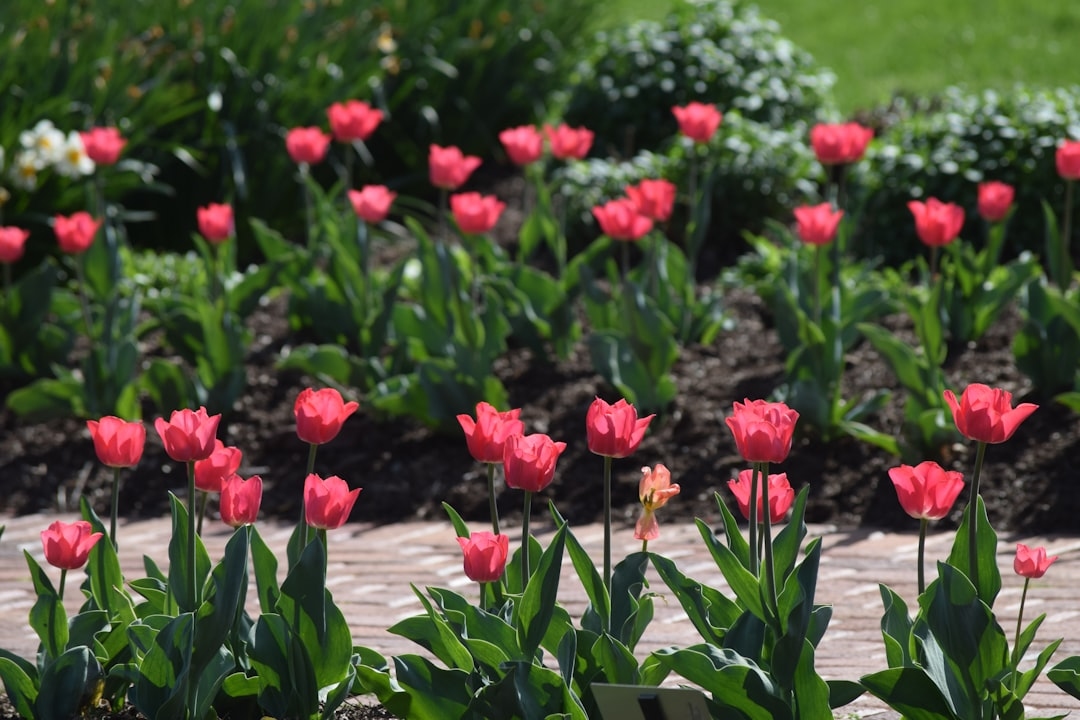
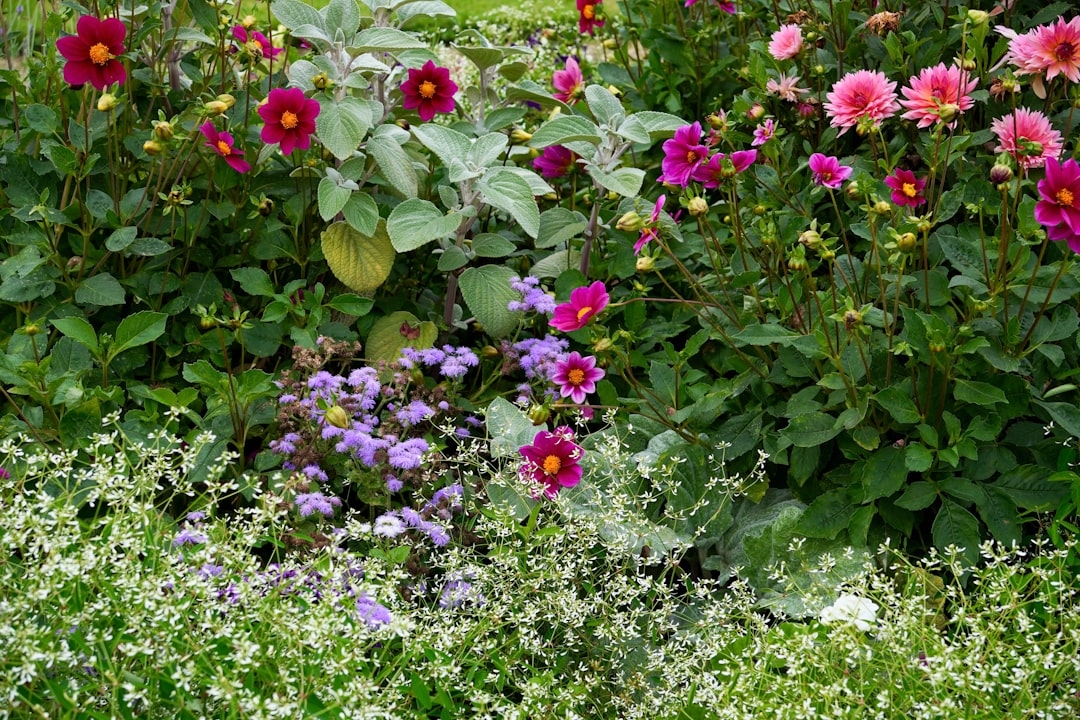
Bulbs: Daffodils are toxic to deer, voles, and most pests — they essentially manage themselves. Alliums, dahlias, and tulips all grow organically with good drainage and minimal fertilization. Dahlias are heavy feeders; supplement with a low-nitrogen, high-phosphorus organic fertilizer like bone meal (3-15-0) when buds form.
Organic Flower Gardening vs. Conventional Container Gardening
A common source of confusion: is it possible to grow organic flowers in containers? Yes, but it requires different management than in-ground organic beds. Container plants don’t have access to soil microbes and nutrients beyond what you provide. The comparison matters because many gardeners assume bagged “potting mix” is inert and can be managed organically — it can, but you’ll need to fertilize more frequently (every two to three weeks rather than seasonally) because nutrients leach quickly through container drainage.
For organic container flower growing, use a peat-free potting mix (coconut coir-based mixes are a sustainable alternative), top-dress monthly with compost, and water with diluted compost tea or liquid kelp. Avoid conventional slow-release pellets — most contain synthetic nitrogen coatings that contradict organic principles.
Natural Fertilizing: Feeding Flowers Without Synthetic Inputs
Organic fertilizers work more slowly than synthetic ones, which is actually an advantage: nutrients are released as soil microbes process them, matching plant uptake rather than overwhelming it. The result is steady, even growth rather than the boom-and-bust cycle synthetic feeding creates.
Reading Organic Fertilizer Labels
Every fertilizer label carries three numbers: N-P-K (nitrogen, phosphorus, potassium). For flowering plants, you generally want lower nitrogen and higher phosphorus once plants approach the budding stage. Nitrogen drives leafy growth; phosphorus supports root development and bloom formation.
- Blood meal (12-0-0): High nitrogen, fast-acting by organic standards. Use in spring to green up plants quickly. Avoid near bloom time.
- Bone meal (3-15-0): High phosphorus, promotes root and bloom development. Apply at planting and again at bud set.
- Greensand (0-0-3): Slow-release potassium mined from marine deposits. Improves drought resilience and stem strength.
- Fish emulsion (5-1-1): Balanced, fast-acting liquid fertilizer. Smells terrible for 24 hours; works well as a monthly drench during active growth.
Quick Budget Estimate: Organic Fertilizing for a 200 sq ft Flower Bed
Here’s a realistic annual input cost for organic fertilization of a 200-square-foot flower bed in most US growing regions:
- Compost (3 cubic feet bag x 4): $40–$60
- Bone meal (4 lb bag): $10–$14
- Kelp meal (2 lb bag): $12–$18
- Fish emulsion (32 oz concentrate, diluted): $14–$18
- Total annual input cost: $76–$110
Compare that to a synthetic program of granular fertilizer, systemic fungicide, and insecticide, which commonly runs $150–$250 per year for the same area — with diminishing soil returns built in.
Organic Pest Control for Flower Gardens
Pest pressure in an organic garden is real. The goal isn’t elimination — it’s balance. A healthy garden has pests and predators. Your job is to support the predator population and disrupt pests selectively when they exceed tolerance thresholds.
The Pest Tolerance Threshold Principle
Not every aphid colony warrants intervention. Pest management in organic systems uses the concept of an “economic threshold” — the point at which pest damage justifies action. For ornamental flowers, the equivalent is aesthetic threshold: how much damage are you willing to accept before acting? A few chewed leaves on a hosta? Tolerable. Aphids covering every new rose shoot? Act.
Physical Controls: The First Line of Defense
Handpicking works better than it sounds for large pests — Japanese beetles, caterpillars, and slugs can be knocked into a bucket of soapy water in the early morning when they’re sluggish. Row cover (spunbonded fabric) physically blocks flying insects from reaching plants. For slug and snail management, place 1-inch-deep saucers of beer among susceptible plants — slugs are attracted, fall in, and drown. A single saucer can catch 20–40 slugs per night in peak season.
Biological Controls
Beneficial insects are your most powerful pest management tool. Ladybugs, lacewings, parasitic wasps, and ground beetles consume enormous quantities of garden pests. You don’t need to purchase them — you need to stop killing them and start planting what attracts them.
Umbellifer flowers — dill, fennel, yarrow, Queen Anne’s lace — provide nectar and shelter for parasitic wasps that prey on aphids and caterpillar eggs. Plant a 3–4 foot border of mixed umbellifers alongside flower beds to establish a predator reservoir. Results are visible within one growing season.
For caterpillar pest species (including imported cabbageworm and various moth larvae), Bacillus thuringiensis (Bt) is an organic-approved biological insecticide. It’s a naturally occurring soil bacterium that produces proteins toxic specifically to caterpillar digestive systems — harmless to bees, birds, and mammals. Apply as a foliar spray at dusk when caterpillars are feeding, and reapply after rain.
Organic Sprays That Actually Work
- Insecticidal soap (2% solution): Mix 2 tablespoons of pure castile soap in 1 quart of water. Spray directly on soft-bodied insects — aphids, spider mites, whiteflies. Must make contact to kill; no residual effect, so reapply every 3–5 days during active infestations.
- Neem oil: Cold-pressed oil from the neem tree that disrupts insect molting hormones and suppresses fungal diseases simultaneously. Mix 1–2 tablespoons per gallon of water with a few drops of dish soap as an emulsifier. Apply to foliage in the evening to avoid harming bees — neem is mildly toxic to bees when wet but safe once dry.
- Diatomaceous earth (food-grade): Fossilized algae that scratches the waxy cuticle of crawling insects, causing them to desiccate. Dust lightly around the base of plants for slugs, earwigs, and cutworms. Reapply after rain. Wear a dust mask when applying — it’s harmless to lungs in small amounts but dusty enough to irritate.
Organic Disease Management for Flowers
Fungal diseases — powdery mildew, black spot, botrytis, rust — are the most common disease problems in flower gardens. They thrive in specific conditions: high humidity, poor air circulation, wet foliage overnight. Organic disease management begins with denying those conditions.
Cultural Practices That Prevent Disease
Space plants according to their mature spread, not their transplant size. A zinnia planted 6 inches from its neighbor looks fine in May and becomes a powdery mildew disaster by August. Give them 12–18 inches. Water at the base rather than overhead; drip irrigation or soaker hoses keep foliage dry while delivering water directly to roots. If overhead watering is unavoidable, water in the morning so foliage dries before nightfall.
Remove diseased plant material promptly. Don’t compost it unless your pile reaches 140–160°F consistently — most home piles don’t. Bag and dispose of diseased material in municipal green waste, where commercial composting temperatures reliably kill pathogens.
Organic Disease Treatments
Baking soda spray: Mix 1 tablespoon baking soda, 1 tablespoon horticultural oil, and 1 teaspoon castile soap in 1 gallon of water. Spray foliage at the first sign of powdery mildew. The alkaline pH disrupts fungal growth. Reapply weekly. Effective as a preventive; less effective on established infections.
Sulfur-based fungicides: OMRI-listed sulfur sprays and dusts are among the most effective organic tools against fungal disease. Apply every 7–10 days as a preventive during humid periods. Do not apply when temperatures exceed 90°F — sulfur can burn foliage in heat. Do not apply within two weeks of neem oil application; the combination can cause phytotoxicity.
Copper fungicide: Effective against bacterial diseases (bacterial blight, angular leaf spot) and some fungal pathogens. Use sparingly — copper accumulates in soil and becomes toxic to earthworms and soil fungi at high concentrations. Apply no more than twice per growing season.
Water Management in an Organic Flower Garden
Overwatering is the most common flower gardening mistake across all skill levels, and it’s especially damaging in organic systems where soil biology depends on a balance of moisture and oxygen in pore spaces. Most established flowering perennials need 1 inch of water per week — less if rainfall contributes, more in extreme heat or sandy soil.
How to Water Correctly
Water deeply and infrequently rather than shallowly every day. Shallow watering keeps roots near the surface, where they’re vulnerable to heat and drought. Water to a depth of 6–8 inches — push a screwdriver into the soil after watering; if it slides in 6 inches without resistance, you’ve watered adequately.
A rain gauge is a $10 investment that eliminates guesswork. Keep one near your flower beds and measure weekly. If rainfall delivers 0.5 inches and your plants need 1 inch, supplement with 30 minutes of soaker hose irrigation at 0.5 gallons per foot per hour.
Mulching to Conserve Moisture and Suppress Weeds
A 2–3 inch layer of organic mulch — shredded bark, straw, wood chips, or shredded leaves — reduces soil moisture evaporation by up to 70%, suppresses weed seed germination, moderates soil temperature, and feeds soil organisms as it decomposes. Keep mulch 2–3 inches away from plant stems to prevent crown rot.
Avoid dyed wood chip mulch. The dyes are generally non-toxic, but the source wood is often construction lumber treated with preservatives. Untreated wood chips from a local arborist (often free — call and ask) or shredded leaves from your own yard are the best organic mulch options available.
Organic Flower Gardening Through the Seasons
Organic gardening is a year-round practice, not just a summer one. Each season has specific tasks that set up the next for success.
Spring: Soil Preparation and Early Planting
Test soil and amend in early spring before the ground warms. Apply compost as a 2-inch top dressing. Direct-sow cold-tolerant annuals — larkspur, bachelor’s buttons, California poppies — once soil reaches 45°F. Start warm-season flowers indoors 6–8 weeks before your last frost date. The USDA Plant Hardiness Zone map (available at planthardiness.ars.usda.gov) gives average last frost dates by zip code.
Summer: Peak Management Season
Deadhead spent blooms weekly to extend bloom cycles — removing faded flowers redirects plant energy from seed production to new flower formation. For most annuals and many perennials (salvias, coneflowers, black-eyed Susans), this adds 4–8 additional weeks of bloom. Monitor for pest pressure every 3–4 days; early intervention prevents infestations from establishing.
Fall: The Setup Season
Fall is the most underrated season in the organic flower garden. Plant spring-flowering bulbs — daffodils, tulips, alliums — in October and November throughout most of the US. Apply a 3-inch compost layer over emptied beds. Sow a cover crop of winter rye or crimson clover in empty spaces; cover crops fix nitrogen, prevent erosion, and suppress weeds over winter. Mow them down in spring and work the green material into the top 2 inches of soil as green manure.
Winter: Planning and Soil Building
Order seeds from organic, non-GMO sources in January when catalogs are freshest. Consider suppliers like Baker Creek Heirloom Seeds, High Mowing Organic Seeds, or Fedco Seeds — all offer verified organic and open-pollinated varieties. Let ornamental seedheads stand over winter; they feed overwintering birds and harbor beneficial insect eggs.
Attracting Pollinators to Your Organic Flower Garden
An organic flower garden and a pollinator-friendly garden are nearly synonymous. No insecticides means bees, butterflies, and beneficial wasps can safely forage. But you can accelerate pollinator activity with deliberate plant selection.
Native bees — there are over 4,000 species in the US — are often more effective pollinators than European honeybees for native flowering plants. They’re also entirely manageable without chemicals. To support them, plant native flowering species that bloom in succession from early spring through fall. Aim for at least three species in bloom simultaneously throughout the growing season.
Top native pollinator plants by US region:
- Northeast: Wild bergamot (Monarda fistulosa), blue wild indigo (Baptisia australis), purple coneflower
- Southeast: Native Salvia (Salvia azurea), tickseed (Coreopsis), trumpet honeysuckle
- Midwest: Prairie blazing star (Liatris pycnostachya), prairie dropseed, golden Alexanders
- Southwest: Desert marigold (Baileya multiradiata), globe mallow (Sphaeralcea), penstemon species
- Pacific Northwest: Farewell-to-spring (Clarkia amoena), Oregon sunshine (Eriophyllum lanatum), camas
Starting an Organic Flower Garden From Scratch: Practical Steps
If you’re converting a lawn area or starting with bare ground, the process is straightforward but requires patience.
Sheet Mulching: The No-Till Method
Sheet mulching (also called lasagna gardening) builds a new organic bed without tilling. Mow or cut existing vegetation as low as possible. Lay overlapping cardboard sheets — avoid glossy or tape-covered pieces — directly over the area, wetting them thoroughly. Cover with 4–6 inches of compost and a 2-inch layer of wood chip mulch on top. Plant transplants through the layers immediately, or let it sit over winter and plant directly into the decomposed cardboard layer in spring. This method suppresses weeds for 12–18 months, eliminates tilling-related soil disruption, and builds 2–4 inches of rich topsoil as layers decompose.
What to Expect in Year One
Year one of an organic flower garden is rarely its best. Soil biology takes time to establish. Expect some pest pressure as the garden ecosystem finds its balance. Weed pressure will be higher if you’re working with unimproved soil. Don’t be discouraged — most gardeners who stick with organic methods report that by year three, the garden essentially manages itself. Pest pressure drops, soil fertility builds, and inputs decrease. The first season is an investment in that future state.
Frequently Asked Questions
What is the best organic fertilizer for flowering plants?
For most flowering plants, a combination of compost (applied as a 2-inch top dressing each spring) and bone meal (applied at bud set) provides the best results. Compost delivers broad-spectrum nutrition and microbial activity; bone meal supplies the phosphorus that drives bloom development. For heavy feeders like dahlias and roses, supplement monthly with fish emulsion (5-1-1) during active growth.
How do I get rid of aphids organically?
Spray aphid colonies directly with a 2% insecticidal soap solution (2 tablespoons pure castile soap per quart of water). Contact is required for efficacy — coat the underside of leaves where aphids cluster. Reapply every 3–5 days for two to three weeks. Simultaneously, attract parasitic wasps by planting dill, fennel, or yarrow nearby. A single parasitic wasp can parasitize hundreds of aphids per week.
Can I grow roses organically?
Yes, with variety selection as the critical factor. Disease-resistant shrub roses — particularly the ‘Knock Out’ series, David Austin’s own-root varieties, and Canadian Parkland roses — perform well without fungicides across most US growing zones. Avoid hybrid tea roses, which were bred for chemical-intensive production environments. Mulch the root zone, water at the base, and apply compost annually — most disease-resistant roses need nothing else.
How long does it take to transition a conventional flower garden to organic?
Full transition takes two to three growing seasons. In the first year, stop applying synthetics and begin building soil with compost and organic amendments. Expect slightly more pest pressure while beneficial insect populations reestablish. By year two, soil biology improves noticeably and pest balance begins to stabilize. By year three, most gardeners find their organic plot requires fewer inputs than their conventional garden ever did.
Is organic flower gardening more expensive than conventional gardening?
In the first year, costs are comparable. Over time, organic is less expensive: compost can be made at home for free, soil fertility builds rather than depletes, and pest management relies increasingly on biological controls that cost nothing once habitat is established. A 200-square-foot organically managed flower bed typically requires $76–$110 in annual inputs by year three, compared to $150–$250 for a conventional maintenance program.
Building Your Organic Flower Garden: The Next Step
The gap between wanting an organic flower garden and having one comes down to a single decision: start with the soil. Order a soil test this week. It costs less than a bag of fertilizer and gives you a precise roadmap. While you wait for results, gather your compost materials, sketch your bed layout, and research which disease-resistant varieties suit your USDA hardiness zone.
This organic flower gardening guide covers the principles, but your specific climate, soil type, and pest pressures will shape your practice. Keep a garden journal from day one — note what you planted, when, what worked, and what didn’t. After three seasons, that journal becomes the most valuable gardening resource you own: a personalized, site-specific manual that no catalog or website can replicate.
The gardeners who stay with organic methods aren’t idealists. They’re pragmatists who found that working with soil biology, rather than against it, produces flowers that are harder, more beautiful, and less expensive to grow. That’s the case for organic. Go test your soil.

+ There are no comments
Add yours