



Contents:
- Why Flowers Seem Expensive (And Why They Don’t Have to Be)
- Starting From Seed: The Biggest Money-Saver in Your Growing Flowers Budget Guide
- Best Budget-Friendly Flowers to Grow From Seed
- What You Actually Need to Start Seeds Indoors
- Container Gardening on the Cheap: Vessels That Cost Nothing (or Almost Nothing)
- Free and Low-Cost Container Options
- The Right Soil Mix Without Overspending
- Free and Cheap Flower Resources Most Gardeners Don’t Know About
- Seed Libraries and Swaps
- Online Plant and Seed Exchanges
- End-of-Season Clearance Sales
- Eco-Friendly Approaches That Also Save You Money
- Composting in Small Spaces
- Collecting Rainwater
- Saving Your Own Seeds
- Common Mistakes to Avoid When Growing Flowers on a Budget
- Practical Watering and Fertilizing on the Cheap
- DIY Slow-Release Watering
- Free and Nearly-Free Fertilizers
- Planning a Succession Planting Schedule for Continuous Blooms
- Shopping Smart: When and Where to Buy
- Making the Most of a Single Windowsill
- Frequently Asked Questions
- What is the cheapest flower to grow from seed?
- How much does it cost to start a small container flower garden?
- Can I grow flowers in an apartment with no balcony?
- Which flowers self-seed so I don’t have to buy them every year?
- Is it better to buy seeds or seedlings on a budget?
- Your Next Growing Season Starts Now
Beautiful flowers don’t require a big backyard or a generous budget. In fact, some of the most jaw-dropping balcony and windowsill gardens in the country are grown by people spending less than $5 a month. This growing flowers budget guide will show you exactly how to do it — with specifics, not vague encouragement.
Whether you’re working with a single south-facing windowsill or a small apartment balcony, the principles are the same: buy smart, multiply what you have, and let nature do the heavy lifting. Flowers are far more forgiving and generous than most people assume.
Why Flowers Seem Expensive (And Why They Don’t Have to Be)
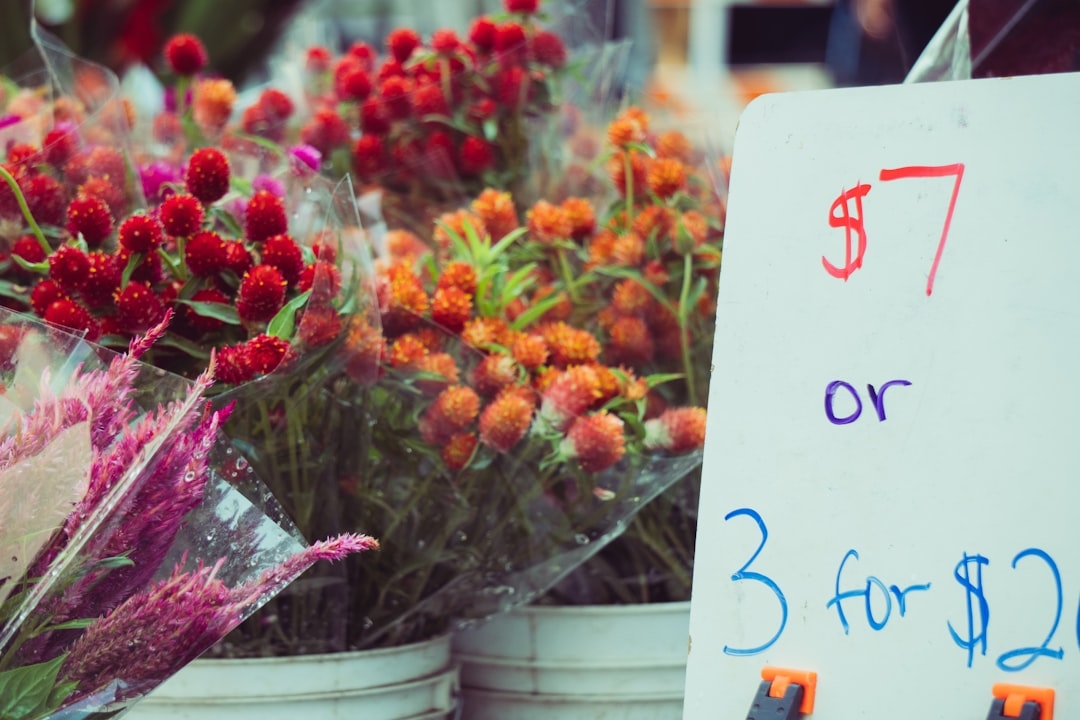
The sticker shock at garden centers is real. A six-pack of marigold transplants can run $6–$9, and a single potted geranium might cost $12 or more. Multiply that across a few containers and you’re looking at $60–$100 before you’ve even touched a trowel. It’s no wonder people think flower gardening is a luxury.
But here’s what those price tags are actually selling you: time and convenience. Nurseries do the hard work of germinating seeds, potting up seedlings, and keeping them alive through the most vulnerable weeks. You pay a premium for that service. Skip it, and most of that cost disappears.
Seed packets tell a completely different story. A $2.49 packet of zinnia seeds typically contains 50–100 seeds. That’s roughly $0.02–$0.05 per plant — compared to $1.50 or more per transplant at a big-box store. Over a single growing season, the savings compound fast.
Starting From Seed: The Biggest Money-Saver in Your Growing Flowers Budget Guide
Starting flowers from seed is the single most impactful change you can make to your budget. It also gives you access to a far wider range of varieties than any local nursery stocks.
Best Budget-Friendly Flowers to Grow From Seed
Not all seeds are created equal for apartment gardeners. You want flowers that germinate reliably, tolerate container life, and ideally self-seed so you get free plants next year. Here are the top performers:
- Zinnias — Germinate in 5–7 days, thrive in pots as small as 6 inches, and bloom non-stop from June through frost. Seed packets average $2–$3.
- Nasturtiums — Edible, nearly impossible to kill, and they self-seed prolifically. Perfect for railing planters. One $1.99 packet can fill a 3-foot window box.
- Marigolds — Natural pest deterrents, extremely heat tolerant, and available for as little as $1.50 a packet from dollar stores and discount retailers.
- Sweet Alyssum — Tiny plants with a honey-like fragrance. Fills gaps between larger plants beautifully and self-seeds aggressively.
- Cosmos — Feathery, airy plants that look like they cost a fortune. They bloom in 8–10 weeks from seed and reach 2–4 feet tall, making them ideal for deep balcony pots.
- Sunflowers (dwarf varieties) — ‘Dwarf Sunspot’ and ‘Teddy Bear’ stay under 24 inches and thrive in 5-gallon buckets. Packets often cost under $2.
What You Actually Need to Start Seeds Indoors
Forget the elaborate seed-starting setups. Here’s the lean version that costs almost nothing:
- Containers: Egg cartons, yogurt cups, or toilet paper tubes work perfectly for starting seeds. Poke a drainage hole and you’re set.
- Seed-starting mix: A small bag ($4–$6) goes a long way. Don’t use regular potting soil — it’s too dense and can harbor pathogens that kill seedlings.
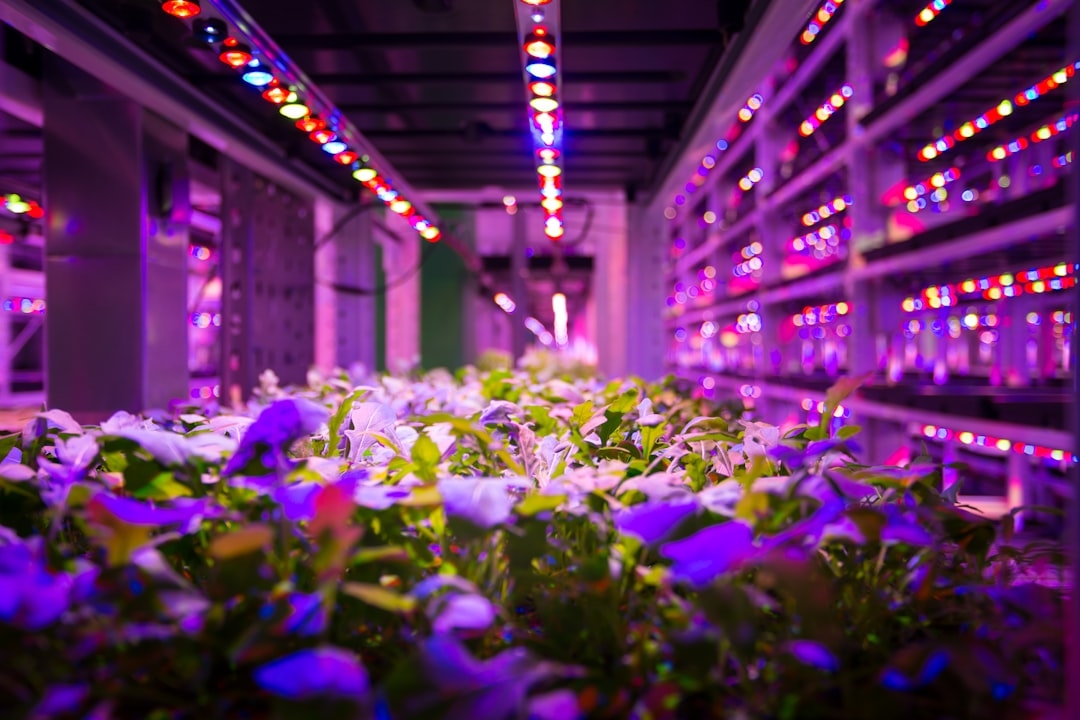
- Light: A south-facing windowsill works for many flowers. If you’re serious about starting seeds early, a basic 24-inch LED grow light runs $25–$40 and lasts for years.
- Warmth: Most flower seeds germinate best at 65–75°F. The top of a refrigerator or near a heat vent is often warm enough to speed germination without buying a heat mat.
Total investment for a first-time seed-starting setup using repurposed containers: under $15.
Container Gardening on the Cheap: Vessels That Cost Nothing (or Almost Nothing)
Decorative planters at garden centers are beautiful and wildly overpriced. A ceramic planter that holds 3 gallons of soil can cost $40–$80. The good news: flowers don’t care what they’re growing in, as long as it has drainage and adequate volume.
Free and Low-Cost Container Options
- 5-gallon buckets — Available for free from bakeries, delis, and restaurants (ask — they often discard them). Drill 5–6 holes in the bottom and paint or wrap with burlap for aesthetics.
- Colanders — Thrift stores sell metal and plastic colanders for $1–$3. The built-in holes make drainage perfect, and they look intentionally rustic.
- Wooden crates — Line with burlap or landscape fabric, and they hold soil well. Grocery stores and wine shops often have these for free.
- Grow bags — Fabric grow bags are the best budget container going. A pack of ten 5-gallon bags runs $15–$20 on Amazon. They’re lightweight, promote healthy root pruning, and fold flat for storage in winter.
- Repurposed colanders, tin cans, and ceramic mugs — Smaller containers work brilliantly for single plants like trailing petunias or individual marigolds on a windowsill.
The Right Soil Mix Without Overspending
Potting soil is one area not to skimp on completely — compacted, low-quality soil will cost you more in dead plants. But you can absolutely stretch your soil budget. A standard 2-cubic-foot bag of potting mix costs $10–$14 and fills roughly four to five 5-gallon containers.
To cut costs further, fill the bottom third of large containers with items like pine cones, crumpled newspaper, or empty plastic bottles before adding soil. This “filler” method reduces how much potting mix you need by 25–30% without affecting plant performance, since most annual flower roots only penetrate the top 8–10 inches of soil.
Free and Cheap Flower Resources Most Gardeners Don’t Know About
One of the most underused strategies in any budget flower gardening approach is tapping into the gardening community. Gardeners are, as a rule, extraordinarily generous people with seeds and divisions to spare.
Seed Libraries and Swaps
Over 400 public libraries across the United States now host seed libraries where you can borrow seeds for free — no library card required in many cases. Search “seed library near me” or check your local library’s website. Many also hold annual seed swaps in late winter where gardeners trade packets they’ve collected or saved.
Online Plant and Seed Exchanges
- r/SeedSwap on Reddit — An active community where gardeners trade seeds by mail. You’ll often find rare and heirloom varieties you can’t buy in stores.
- Nextdoor and Facebook Marketplace — Search “free plants” in your local area. People regularly give away divisions, seedlings, and even established plants when they’re thinning their gardens.
- Buy Nothing groups — Hyper-local Facebook communities where everything is free. Seeds, plants, containers, and soil amendments appear regularly, especially in spring.
End-of-Season Clearance Sales
This is one of the best-kept secrets in budget gardening. From late August through October, garden centers mark down perennial plants by 50–75% to clear inventory before winter. Many of these plants — coneflowers, black-eyed Susans, rudbeckia — will overwinter in containers or a protected spot and bloom again next year. A $12 plant marked down to $3 that returns for 5+ years is an extraordinary value.
Eco-Friendly Approaches That Also Save You Money
Sustainable gardening and budget gardening overlap more than most people realize. Many of the cheapest practices are also the greenest ones.
Composting in Small Spaces
A worm bin — also called vermicomposting — fits under a kitchen sink and produces some of the richest fertilizer on earth. A basic setup costs $30–$50 upfront (or you can build one from two stacked Rubbermaid bins for about $15), and after that it’s essentially free fertilizer indefinitely. Red wiggler worms consume kitchen scraps and produce castings that, when mixed into potting soil at a ratio of 1:4, can replace most commercial fertilizers entirely.
For apartment dwellers without space for a worm bin, a simple countertop compost collector ($10–$15) for kitchen scraps can be dropped at community composting sites — and in many cities, you can collect a portion of finished compost in return.
Collecting Rainwater
A simple 55-gallon rain barrel connected to a downspout costs $30–$80 and can offset a significant portion of your watering needs during the growing season. If you have a balcony and catch runoff from the roof overhang, even a few large buckets or storage bins set out during rainstorms will reduce your tap water use. Rainwater is also naturally soft and slightly acidic — many flowering plants prefer it to tap water, which is often treated with chlorine and fluoride.
Saving Your Own Seeds
Seed saving is the ultimate sustainability practice for flower gardeners. Once you grow open-pollinated or heirloom varieties (avoid F1 hybrids — they don’t breed true from seed), you can harvest seeds at the end of the season and replant them the following year indefinitely. Zinnias, marigolds, cosmos, nasturtiums, and sweet alyssum are all excellent seed-saving candidates. Store dried seeds in labeled paper envelopes in a cool, dark drawer, and they’ll remain viable for 2–4 years.
Common Mistakes to Avoid When Growing Flowers on a Budget
These are the errors that quietly drain budgets and kill enthusiasm before the first bloom appears.
- Buying the wrong seeds for your light conditions. A north-facing apartment window gets far too little light for sun-lovers like zinnias and sunflowers. Assess your light honestly — direct sun for 6+ hours qualifies as “full sun.” Fewer than 3 hours is shade. Buying shade-tolerant plants like impatiens or begonias for a dark space beats spending money on sun-lovers that languish.
- Overwatering. More container plants die from overwatering than underwatering. Poke your finger 1–2 inches into the soil — if it’s still damp, wait. Overwatered roots rot, and no amount of fertilizer will revive them.
- Buying too many plants at once. Start with 3–5 varieties and master them before expanding. Overcrowding kills plants and wastes money on containers and soil you didn’t need.
- Skipping the hardening off process. If you start seeds indoors and move them outside too quickly, they suffer transplant shock. Spend 7–10 days gradually increasing outdoor exposure — starting with an hour of shade — before leaving them out full time.
- Buying fertilizer before you need it. Most good potting mixes include fertilizer that feeds plants for 3–6 months. New gardeners often buy fertilizer and apply it immediately, causing fertilizer burn. Wait until plants have been growing for 6–8 weeks before supplementing.
- Ignoring your USDA Hardiness Zone. Knowing your zone (find it at planthardiness.ars.usda.gov) tells you your average last frost date, which determines when to start seeds and when to plant outside safely. Starting too early means heating costs and struggling seedlings; starting too late means a shortened bloom season.
Practical Watering and Fertilizing on the Cheap
Water and nutrients are ongoing costs that add up over a growing season. A few smart habits keep them minimal.
DIY Slow-Release Watering
Plastic bottles make surprisingly effective self-watering systems. Fill a 1-liter bottle with water, puncture the cap 2–3 times with a pin, flip it upside down, and push the neck into the soil near your plant’s root zone. It releases water slowly over 12–24 hours — perfect for hot summer days when containers dry out fast. Cost: $0 if you reuse bottles you already have.
Free and Nearly-Free Fertilizers
- Banana peel tea: Soak 2–3 banana peels in a quart of water for 48 hours, strain, and water plants with the liquid. It’s rich in potassium, which promotes blooming.
- Used coffee grounds: Mix into the top inch of potting soil (don’t overdo it — no more than 20% of the mix) for a mild nitrogen boost and to improve drainage.
- Diluted fish emulsion: A 16-oz bottle of fish emulsion fertilizer ($8–$12) diluted at 1 tablespoon per gallon can fertilize a dozen containers every two weeks for an entire season.
- Epsom salt solution: 1 tablespoon dissolved in a gallon of water and applied monthly provides magnesium, which improves chlorophyll production and flower color intensity.
Planning a Succession Planting Schedule for Continuous Blooms
One of the biggest beginner mistakes is planting everything at once and having nothing blooming by August. Succession planting staggers your sowings so something is always flowering from May through October — and it doesn’t cost a cent more than planting everything at once.
A simple approach: sow one-third of your zinnia or cosmos seeds every three weeks from your last frost date through early July. Each batch blooms in approximately 8 weeks, creating an overlapping wave of color throughout the season. For a balcony with three large containers, this might mean starting 10 seeds every three weeks — far fewer plants than most people think they need.
Pair early-season cool-weather flowers (sweet alyssum, snapdragons, violas — all of which handle light frost) with mid-season heat-lovers (zinnias, marigolds, cosmos) for coverage from April through October in most of USDA Zones 5–8.
Shopping Smart: When and Where to Buy
Timing your purchases is almost as important as what you buy. Here’s a practical calendar:
- January–February: Order seeds online from catalogs like Baker Creek Heirloom Seeds, Botanical Interests, or Swallowtail Garden Seeds. Prices are lowest, selection is widest. Many offer free shipping on orders over $25.
- March–April: Buy potting soil before the spring rush drives prices up and supply gets spotty. A single 2-cubic-foot bag is sufficient for 4–5 containers.
- May: Check dollar stores and discount retailers (Aldi, Lidl, Dollar Tree) for seed packets. They typically carry marigolds, zinnias, and sunflowers for $0.99–$1.50 — half the price of garden centers.
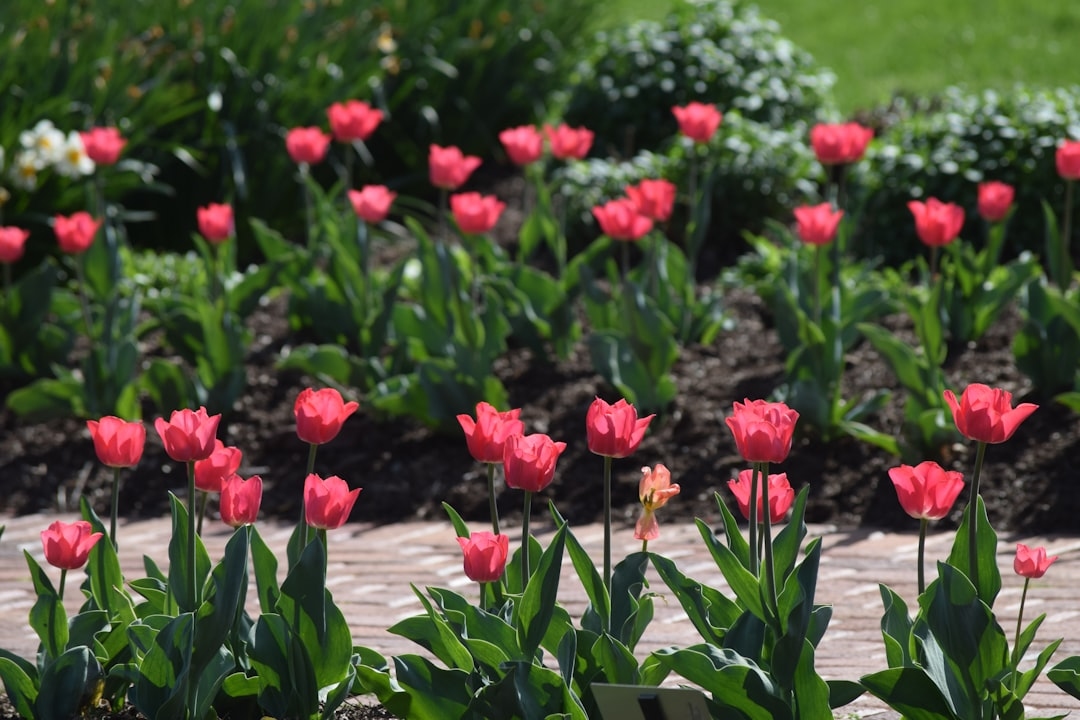
- August–October: Shop clearance sales at nurseries for perennials and bulbs (tulip and daffodil bulbs for spring bloom are often 60–70% off in October).
Making the Most of a Single Windowsill
For true apartment dwellers — no balcony, just windows — the game is different but entirely winnable. A south-facing window in full sun can support a surprising amount of flower life.
The key is choosing compact varieties bred specifically for indoor or container growing. ‘Supertunia Vista’ petunias cascade beautifully from a windowsill box and bloom for months. ‘Titch’ snapdragons stay under 8 inches. ‘Little Dorrit’ sweet alyssum fills edges and spills attractively. A standard 24-inch window box, which costs $10–$20, can house 6–8 compact flowering plants and provide color from May through October.
Grow lights open up north and east-facing apartments significantly. A basic 20-watt LED grow light bar ($15–$25) placed 4–6 inches above plants can substitute for direct sunlight and allow you to grow sun-loving annuals year-round on any windowsill.
Frequently Asked Questions
What is the cheapest flower to grow from seed?
Marigolds are consistently the cheapest flower to grow from seed, with packets available for $0.99–$1.50 at discount retailers. They germinate in 5–7 days, tolerate neglect, bloom prolifically, and self-seed, so you may never need to buy them again after the first year.
How much does it cost to start a small container flower garden?
A starter container flower garden — including 3 repurposed containers, a small bag of potting mix, and 5 seed packets — can be assembled for $15–$25 total. If you source containers for free (buckets, crates, colanders), the cost drops to $10–$15.
Can I grow flowers in an apartment with no balcony?
Yes. A south-facing window with 6+ hours of direct sun supports marigolds, zinnias (compact varieties), sweet alyssum, and petunias in window boxes or pots. North- and east-facing windows need a supplemental LED grow light ($15–$40) to support most flowering plants.
Which flowers self-seed so I don’t have to buy them every year?
Nasturtiums, sweet alyssum, cosmos, Johnny-jump-ups (Viola tricolor), and larkspur all self-seed reliably in most US climates. Allow a few flowers to go to seed at the end of the season instead of deadheading them, and you’ll find volunteers sprouting in the same containers or nearby spots the following spring.
Is it better to buy seeds or seedlings on a budget?
Seeds are almost always the better budget choice. A $2.49 seed packet typically contains 50–100 seeds, bringing the per-plant cost to $0.02–$0.05. Nursery seedlings cost $1.50–$8 per plant depending on variety and size. The exception is perennials you plan to keep for 5+ years — buying one good-quality transplant on clearance can make more sense than starting from seed.
Your Next Growing Season Starts Now
The best time to start planning your budget flower garden is before the season begins — January and February are ideal for ordering seeds, making your container list, and mapping which windows or outdoor spaces get the most light. A simple notebook or spreadsheet tracking what you spend and what blooms best in your specific space will make every subsequent year cheaper and more rewarding.
This growing flowers budget guide is built around one core truth: the barrier to a beautiful flower garden isn’t money, it’s information. Seeds cost pennies. Containers cost nothing if you know where to look. Compost and fertilizer can be free. And the gardening community — online and in your neighborhood — is one of the most generous groups of people you’ll ever connect with.
Start with three containers, three seed packets, and a south-facing window. Take notes. Save seeds in the fall. Trade with neighbors. By year two, you’ll be the person giving plants away.

+ There are no comments
Add yours