
Contents:
- The Real Impact of Wedding Flowers on the Environment
- Understanding Sustainable Flower Sourcing and Seasonal Availability
- Spring Flowers (March-May)
- Summer Flowers (June-August)
- Fall and Winter (September-February)
- What You’ll Need for Eco-Friendly Floral Planning
- Step-by-Step Guide to Selecting Eco-Friendly Wedding Flowers
- Step 1: Lock Down Your Wedding Date and Location
- Step 2: Research Certified Sustainable Florists in Your Area
- Step 3: Build Your Floral Palette from Available Seasonal Blooms
- Step 4: Specify Sustainable Sourcing and Materials in Your Contract
- Step 5: Plan Post-Ceremony Flower Disposal
- Common Mistakes When Choosing Sustainable Wedding Flowers
- Mistake 1: Assuming All Preserved Flowers Are Eco-Friendly
- Mistake 2: Forgetting About Foliage and Filler Waste
- Mistake 3: Not Building a Seasonal Backup Plan
- Mistake 4: Underestimating the Time Needed for Sustainability Planning
- Mistake 5: Skipping the Vendor Vetting Conversation
- Real Wedding Example: A Summer Colorado Celebration
- Expanding Your Impact Beyond Floral Choices
- Frequently Asked Questions About Eco-Friendly Wedding Flowers
- How much does choosing sustainable flowers actually cost compared to traditional wedding flowers?
- What if my wedding date falls during winter when few flowers grow locally?
- Are preserved flowers or silk flowers a good sustainable alternative to fresh flowers?
- How do I find certified organic or pesticide-free flower growers in my area?
- Can I have a large, impressive wedding without importing flowers?
- Your Next Steps for Sustainable Wedding Flowers
The Real Impact of Wedding Flowers on the Environment
Nearly 90 percent of cut flowers sold in the United States are imported, often traveling 4,500+ miles from Africa, South America, and Southeast Asia. This dependence on international sourcing creates a significant carbon footprint before your bouquet even reaches the altar. Many commercial florists rely on pesticides, fungicides, and petroleum-based fertilizers that harm ecosystems and leave residual contamination in soil and water systems. A 2026 industry analysis revealed that conventional wedding floral arrangements generate an average of 12 pounds of waste per event, most of which ends up in landfills within 48 hours.
Choosing sustainable, eco-friendly flowers doesn’t mean compromising on beauty or abundance. Modern couples increasingly demand transparency about where their flowers come from, how they’re grown, and what happens to them after the ceremony. The good news: building an environmentally conscious floral design is entirely achievable with proper planning and knowledge. When you prioritize miami wedding flowers from sustainable sources, you’re voting with your wallet for farming practices that protect biodiversity and reduce chemical pollution.
Understanding Sustainable Flower Sourcing and Seasonal Availability
The foundation of eco-friendly wedding flowers starts with understanding what grows locally and seasonally in your region. Unlike the globalized floral industry, working with seasonal blooms reduces transportation distances dramatically—sometimes from thousands of miles to just a few dozen. A winter wedding in Boston looks completely different from a summer celebration in Austin, and that’s exactly what makes seasonal sourcing both sustainable and beautiful.
Spring Flowers (March-May)
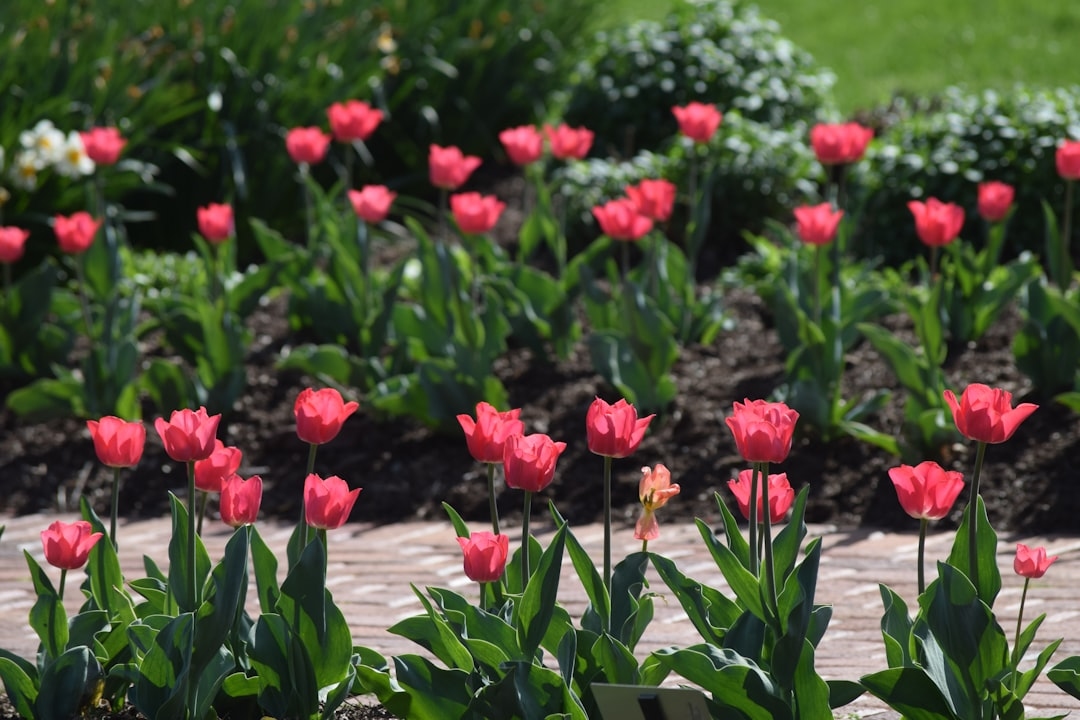
Spring offers a palette of naturally abundant, locally-grown options. Peonies, tulips, ranunculus, and bleeding heart flourish during these months in temperate North American climates. Wedding couples planning spring ceremonies benefit from lower prices, fresher blooms, and minimal transportation. Peonies, in particular, have become a symbol of sustainable weddings—they’re perennial plants with zero pesticide requirements at maturity, and they last remarkably long both on the stem and in arrangements.
Summer Flowers (June-August)
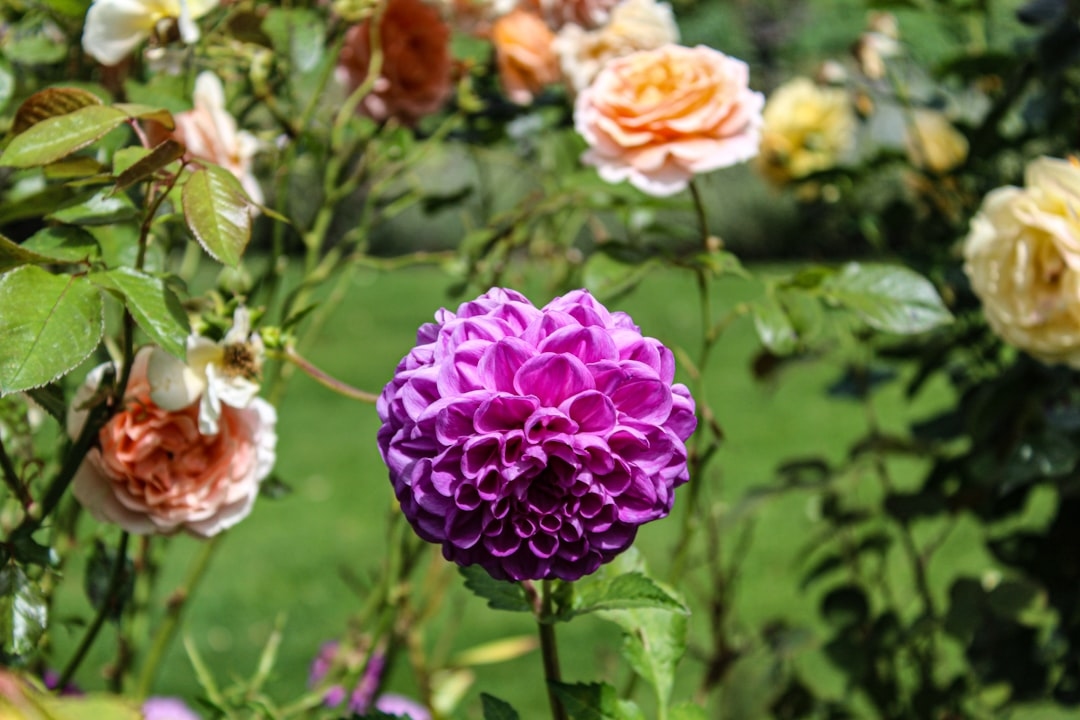
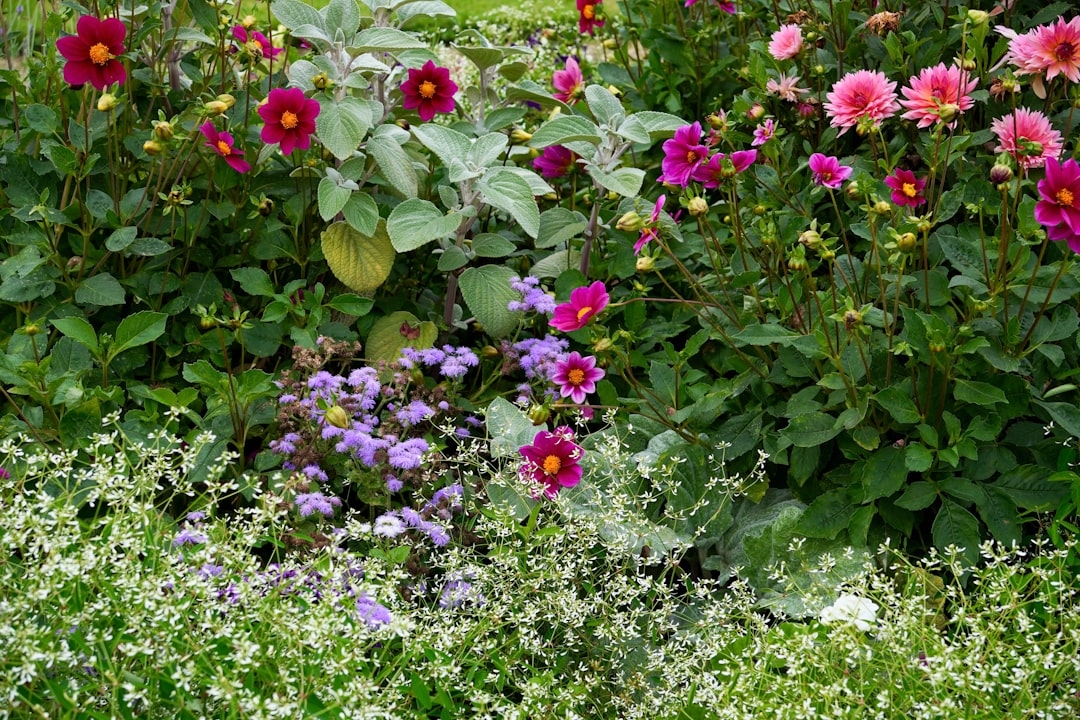
Summer weddings enjoy the widest variety of local, seasonal options. Hydrangeas, sunflowers, dahlias, zinnias, and garden roses thrive during warm months and require significantly less chemical input when grown regionally. Many organic farms begin peak production during summer, making this the ideal season for couples seeking certified organic or pesticide-free arrangements. A midsummer wedding allows you to source entirely from within 200 miles, eliminating nearly all transportation emissions.
Fall and Winter (September-February)
Autumn brings chrysanthemums, solidago, hypericum berries, and ornamental grasses—naturally long-lasting flowers that reduce waste. Winter ceremonies present the greatest challenge but offer unique opportunities. Branches, evergreens, holly, and imported preserved flowers (which require minimal refrigeration during transit) become viable alternatives. Many couples marry traditional winter greenery with a few local hothouse-grown blooms for striking, sustainable results.
What You’ll Need for Eco-Friendly Floral Planning
Beyond choosing sustainable flowers, you’ll need specific tools and information to execute your vision successfully.
- Regional growing calendar: Obtain this from your state’s agricultural extension office or local nurseries. This document lists what blooms naturally in your area each month, helping you align your wedding date with peak availability.
- Local florist directory: Research florists within your region who specialize in sustainable practices. Ask for credentials like organic certification, pollinator-friendly sourcing, or Certified Green Partner status.
- Backup plan for non-negotiable flowers: If your heart is set on specific blooms outside their natural season, identify alternatives grown domestically in greenhouses or preserved varieties that require minimal environmental impact.
- Budget flexibility: Seasonal, local flowers often cost less than imported varieties. Allocate this savings to sustainability certifications, premium organic arrangements, or larger quantities.
- Post-ceremony plan: Decide whether to compost floral arrangements, donate them to nursing homes and hospitals, or arrange for a florist to repurpose blooms into smaller arrangements.
- Vendor vetting checklist: Document questions about pesticide use, sourcing distances, packaging materials, and waste management practices before hiring.
Step-by-Step Guide to Selecting Eco-Friendly Wedding Flowers
Step 1: Lock Down Your Wedding Date and Location
Your ceremony date and geographic location form the foundation of sustainable flower selection. A June wedding in Colorado allows you to source entirely from Rocky Mountain growers, while a December wedding in Florida opens different options. Contact your local agricultural extension office or visit your state’s farm bureau website to obtain a seasonal availability chart. These resources list every flower that grows commercially in your region during each month, eliminating guesswork.
Step 2: Research Certified Sustainable Florists in Your Area
Not all florists operate with equal environmental standards. Start your search by visiting the American Florists Association website and filtering for members who’ve earned sustainability certifications. Look specifically for florists displaying credentials like:
- Certified Green Partner or Green Business certification
- Organic flower farming credentials
- Membership in local sustainable agriculture networks
- Carbon-neutral delivery certifications
Contact at least three candidates and ask direct questions: Where do your flowers originate? What percentage of your inventory is seasonal and local? Do you use floral foam (which doesn’t biodegrade) or sustainable alternatives? What happens to unsold arrangements at day’s end? A florist comfortable answering these questions demonstrates genuine commitment.
Step 3: Build Your Floral Palette from Available Seasonal Blooms
Once you’ve identified available seasonal flowers, create a mood board combining multiple varieties. Sustainable weddings actually benefit from this constraint—mixing textures and colors rather than relying on a single premium imported flower creates visual richness and supports multiple local growers. For example, a spring wedding might combine local peonies (structural focal flowers), ranunculus (filler texture), sweet peas (fragrance), and flowering branches (height) rather than flying in imported garden roses from Ecuador.
Visit your florist’s greenhouse or farm if possible. Seeing flowers in person helps you understand color variations, stem length, and volume availability. This visit also allows you to discuss any concerns about pesticide use or growing methods directly with the source.
Step 4: Specify Sustainable Sourcing and Materials in Your Contract
Your florist agreement should explicitly state sourcing requirements, not just final flower choices. Include language such as:
- “All flowers sourced within 200 miles of the venue”
- “No floral foam; sustainable alternatives only (chicken wire, frogs, moss)”
- “Seasonal blooms as primary selection; imported flowers used only if seasonal alternatives unavailable”
- “Reusable or compostable packaging for delivery and storage”
Request a sustainability report one week before your wedding detailing exact sourcing, transportation methods, and post-event flower management. This documentation holds your florist accountable and provides transparency about your wedding’s environmental footprint.
Step 5: Plan Post-Ceremony Flower Disposal
The most sustainable bouquet means nothing if it ends up in a landfill. Arrange in advance for one of these options:
- Compost at local facilities: Contact your city’s composting program to confirm they accept floral arrangements (avoid any with foam or floral preservatives).
- Donation to charitable organizations: Hospitals, nursing homes, and domestic violence shelters welcome fresh flowers within 24 hours. Arrange pickup or delivery with a local florist or nonprofit partner.
- Florist repurposing: Many eco-conscious florists offer services dismantling elaborate arrangements and creating smaller bouquets for additional recipients at no additional cost.
- Home gardening: Guests can take home stems and branches for personal use or composting, reducing waste through participation.
Common Mistakes When Choosing Sustainable Wedding Flowers
Mistake 1: Assuming All Preserved Flowers Are Eco-Friendly
Preserved flowers undergo chemical treatment processes requiring significant energy and resources. While they eliminate the problem of wilting and allow off-season use, they’re not automatically more sustainable than fresh, seasonal alternatives. Research individual sellers and their preservation methods before assuming they’re a green choice. Locally-grown fresh flowers typically carry a smaller footprint than preserved flowers shipped internationally, unless you’re comparing genuinely unavailable seasonal options.
Mistake 2: Forgetting About Foliage and Filler Waste
Couples often focus on headline flowers (roses, peonies, hydrangeas) while overlooking the greenery and filler that comprises 40-60 percent of arrangement weight and volume. Floral foam, plastic supports, asparagus fern, and eucalyptus shipped from overseas add tremendous environmental cost. Specify sustainable alternatives: glass vessels with chicken wire, museum putty, or floral frogs; locally-harvested branches and native greenery; and dried elements that last longer.
Mistake 3: Not Building a Seasonal Backup Plan
Weather changes, disease, crop failures, and supply disruptions happen. A florist committed to sustainability won’t panic-source imported flowers when local availability shifts unexpectedly. Work together in advance to identify acceptable substitutions. If your heart is absolutely set on imported flowers, acknowledge this choice, request carbon offset programs, and perhaps reduce flower quantities to balance your wedding’s environmental impact.
Mistake 4: Underestimating the Time Needed for Sustainability Planning
Sustainable flower sourcing requires more lead time than traditional arrangements. Contacting local farms, coordinating with seasonal availability, and arranging post-ceremony donations need 3-4 months of planning. Booking your florist too close to your wedding date eliminates options for genuine sustainability considerations. Begin floral planning 6 months before your ceremony, particularly for off-season weddings.
Mistake 5: Skipping the Vendor Vetting Conversation
Not all florists equally understand environmental impact. Some claim to offer “sustainable” arrangements while still using imported flowers and floral foam. Ask specific, detailed questions rather than accepting vague promises. Request case studies of past eco-friendly weddings, photos showing their sourcing practices, and references from other sustainability-focused clients.
Real Wedding Example: A Summer Colorado Celebration
Sarah and Marcus planned their June wedding in Boulder, Colorado with sustainability as a core value. Rather than fighting the season, they embraced it. Their local florist sourced dahlias, zinnias, hypericum berries, and sunflowers all grown within 100 miles by organic farms. The arrangements featured native grasses and branches from Colorado foothills instead of imported eucalyptus. Total floral sourcing distance: 87 miles. Total cost: $1,800—nearly 40 percent less than imported options would have been.
After the ceremony, Sarah donated bouquets to a local women’s shelter, which distributed them among 15 residents. Leftover arrangement flowers were composted through Boulder County’s green waste program. Their carbon footprint for wedding flowers: approximately 2.3 pounds—roughly equivalent to a 10-mile car drive rather than transatlantic shipping for traditional imports.
The key insight from their experience: working with your florist as a true partner, embracing seasonal constraints, and planning disposal methods transformed their wedding flowers into a source of pride rather than environmental guilt. You can explore similar options at https://mypeonika.com/ to see how quality sourcing influences arrangements and environmental impact.
Expanding Your Impact Beyond Floral Choices
Sustainable wedding flowers represent just one element of environmentally conscious celebrations. Once you’ve committed to eco-friendly flowers, consider how other wedding elements align with your values. Recyclable or compostable decorations, locally-sourced catering, digital invitations, and carbon-offset transportation magnify your impact. Many couples discover that prioritizing sustainability in one area naturally extends to other decisions.
Speaking of expansion, if you’re interested in supporting sustainable flower practices year-round, explore options for regular floral delivery from eco-conscious growers. Many https://mypeonika.com/collections/get-well-flowers arrangements come from suppliers who prioritize environmental practices similar to wedding sourcing standards.
Frequently Asked Questions About Eco-Friendly Wedding Flowers
How much does choosing sustainable flowers actually cost compared to traditional wedding flowers?
Seasonal, locally-sourced flowers typically cost 15-40 percent less than imported varieties, despite the sustainability premium some florists charge. You save on transportation, storage, and supply chain complexity. Preserved or specialty imported flowers cost significantly more. Budget $1,200-$2,800 for complete sustainable floral arrangements at a 100-guest wedding, compared to $2,000-$4,500 for traditional imported arrangements.
What if my wedding date falls during winter when few flowers grow locally?
Winter weddings require creative solutions but remain entirely sustainable. Focus on structural elements: branches, twigs, evergreen foliage, and ornamental grasses create elegant arrangements requiring minimal flowers. Incorporate dried elements like pampas grass, protea, and seed pods that require no refrigeration during transit. Use locally-grown hothouse flowers for focal points rather than attempting to source outdoor-grown varieties. A winter wedding successfully using 80 percent local greenery and 20 percent hothouse blooms still delivers exceptional beauty with minimal environmental impact.
Are preserved flowers or silk flowers a good sustainable alternative to fresh flowers?
Preserved flowers offer advantages for off-season weddings and longer-lasting installations but require chemical treatment and often international shipping. Silk flowers are entirely non-biodegradable and synthetically manufactured. For sustainable weddings, fresh seasonal flowers are the preferred choice. If you must use preserved or silk alternatives, offset by reducing overall flower quantities or supporting carbon offset programs through your florist.
How do I find certified organic or pesticide-free flower growers in my area?
Start with your state’s agricultural extension office website, which typically maintains directories of certified organic growers. Contact local farm-to-table restaurants and natural food markets—they often source from sustainable florists and can provide referrals. Visit farmer’s markets and speak directly with growers about their practices. Finally, reach out to wedding planners specializing in sustainable events; they maintain vetted vendor lists based on demonstrated environmental commitments.
Can I have a large, impressive wedding without importing flowers?
Absolutely. The perception that sustainable flowers mean smaller or less visually impressive arrangements stems from limited imagination. Strategic use of multiple locally-grown flower varieties, creative foliage elements, larger stems and branches, and height-creating elements like tall vases and elevated installations create abundant, striking designs without imports. Many sustainable weddings feature more flowers overall—just distributed through diverse sources rather than concentrated in premium imported blooms.
Your Next Steps for Sustainable Wedding Flowers
Transform your wedding flowers into a reflection of your values starting today. First, identify your wedding date and location, then contact your state’s agricultural extension office for seasonal availability information. Research three to five florists in your region with demonstrated sustainability credentials, requesting detailed conversations about their sourcing practices. Finally, build your floral vision collaboratively with your florist, embracing seasonal constraints as creative opportunities rather than limitations. The result: a beautiful celebration that honors your guests, respects the environment, and establishes your wedding as a model of conscious choices.
+ There are no comments
Add yours