

Contents:
- Why Small Spaces Are Actually Suited for Cut Flower Growing
- Assessing Your Space Before You Plant Anything
- Sunlight: The Non-Negotiable Factor
- Wind Exposure
- Weight Limits on Balconies and Rooftops
- Water Access
- The Best Cut Flowers for Small Space Growing
- Zinnias: The Workhorse Annual
- Sweet Peas: Vertical Space Maximizers
- Ranunculus: The Cut Flower Obsession
- Dahlias: Big Impact in Containers
- Snapdragons: Cool-Season Powerhouses
- Cosmos: Low-Effort, High-Reward
- Container Selection and Setup: A Practical Breakdown
- Container Types Compared
- Minimum Container Depths by Crop
- Soil Mix for Cut Flower Containers
- A Seasonal Cut Flower Growing Calendar for Small Spaces
- Budget Breakdown: What Does a Small-Space Cut Flower Setup Actually Cost?
- Starter Setup (3 to 5 containers, one season)
- Upgraded Setup (drip irrigation, grow lights for seed starting)
- Harvesting and Conditioning: Making Cut Flowers Last
- When and How to Harvest
- Conditioning: The Step Most People Skip
- Vase Life by Variety
- Common Mistakes to Avoid When Growing Cut Flowers in Small Spaces
- Maximizing Yield: Advanced Techniques for Small-Space Growers
- Succession Sowing
- Companion Planting for Pest Control
- Using Vertical Space Aggressively
- Overwintering Dahlias in Small Spaces
- Frequently Asked Questions About Growing Cut Flowers in Small Spaces
- What cut flowers grow best in containers on a balcony?
- How many cut flowers can I realistically grow in a small space?
- Do I need grow lights to start cut flower seeds indoors?
- Can I grow cut flowers in shade or partial shade?
- When should I start planning my small-space cut flower garden?
- Building on Your First Season
There’s a persistent myth that growing cut flowers requires a sprawling country garden — a dedicated cutting patch at least 20 by 10 feet, maybe a greenhouse, definitely acreage. It’s the kind of assumption that stops apartment dwellers and townhouse renters from ever trying. The reality is far more encouraging. Some of the most productive cut flower setups in existence occupy nothing more than a sunny balcony railing, a few well-placed containers on a patio, or a narrow strip of soil along a fence. This cut flowers small space guide exists to set the record straight and give you a concrete, actionable plan for growing armfuls of fresh-cut blooms — no matter how little space you’re working with.
The shift toward small-space growing has been accelerating for years. Urban gardening has gone from niche hobby to mainstream practice, and flower farming — once the exclusive domain of rural operations — has followed. A 2026 survey by the National Gardening Association found that over 35% of US households engage in some form of container gardening, and flowers are among the top three crops grown. The tools, varieties, and techniques available to small-space growers today are better than ever. You just need to know how to use them.
Why Small Spaces Are Actually Suited for Cut Flower Growing
Counter-intuitive as it sounds, small spaces force exactly the kind of discipline that makes a cut flower garden productive. You can’t afford to waste room on underperformers. Every square foot — or every container — has to earn its place. That constraint pushes you toward high-yield, long-stemmed varieties and efficient growing practices that larger-scale gardeners often overlook.
Containers also offer control that in-ground beds simply don’t. You can move them to chase sun, shelter them from late frosts, optimize drainage, and fine-tune soil composition for each plant type. A raised container on casters sitting on a south-facing balcony can out-produce a poorly positioned in-ground bed twice its size. Sun exposure is everything in cut flower production, and in a small space, you can engineer it deliberately.
Finally, harvesting is easier. A compact cutting garden means you’re never far from your flowers. Regular harvesting — which is also regular deadheading — keeps plants producing aggressively. In a large garden it’s easy to miss stems past their prime. In a small one, you’ll catch every single bloom at its peak.
Assessing Your Space Before You Plant Anything
The single most important step in this entire process happens before you buy a seed packet or a bag of potting mix. You need an honest assessment of your light, wind, weight limits, and water access — four factors that will determine which plants succeed and which fail before they start.
Sunlight: The Non-Negotiable Factor
Most cut flowers need a minimum of 6 hours of direct sunlight per day. Zinnias, sunflowers, dahlias, and lisianthus are non-negotiable on this point — fewer than 6 hours and they’ll grow leggy, produce weak stems, and bloom sparsely. Track your space’s sun exposure over a full day before committing to a plant list. A south- or west-facing balcony in full sun is ideal. An east-facing space with 4 to 5 hours of morning sun can still support ranunculus, sweet peas, snapdragons, and cosmos reasonably well.
Wind Exposure
High-rise balconies above the 5th floor often experience wind speeds significantly higher than ground level — enough to snap tall-stemmed flowers like sunflowers and delphiniums, desiccate foliage, and topple containers. If wind is a factor, stick to compact varieties under 24 inches tall, use heavy containers (ceramic or concrete, not lightweight plastic), and consider a simple trellis or bamboo screen along the windward side. A screen that blocks 50% of wind while still allowing airflow is ideal — solid barriers actually increase turbulence.
Weight Limits on Balconies and Rooftops
This is the one most people skip and shouldn’t. Standard residential balconies in the US are typically designed to hold 40 to 60 pounds per square foot. A large, soil-filled container can weigh considerably more than it looks — a 24-inch ceramic pot filled with wet potting mix can exceed 80 pounds. Stick to lightweight containers (fabric grow bags, fiberglass, or double-walled plastic) and use a high-quality lightweight potting mix rather than garden soil or topsoil. If you’re planning an extensive rooftop setup, consult a structural engineer before proceeding.
Water Access
Containers in full sun dry out fast — sometimes requiring daily watering in July and August. If your only water source is a kitchen sink three rooms away, factor in the labor of hauling a watering can multiple times per week. A simple Y-splitter on an outdoor spigot with a hose bib extension can solve this problem for under $30. Drip irrigation on a timer, using a battery-powered controller, runs around $50 to $80 for a basic setup and can be a genuine game-changer for balcony gardeners.
The Best Cut Flowers for Small Space Growing
Not every cut flower is container-friendly or space-efficient. The varieties below were selected specifically for small-space production: strong stems, long vase life, continuous or heavy bloom, and manageable size. This is the core of any practical cut flowers small space guide.
Zinnias: The Workhorse Annual
No cut flower delivers more per square foot than zinnias. The ‘Benary’s Giant’ series produces stems 18 to 24 inches long with 4- to 5-inch blooms in an extraordinary color range. Direct sow after your last frost date (or start indoors 4 to 6 weeks prior) in containers at least 12 inches deep. Space plants 6 inches apart in a grid pattern — tighter than package instructions suggest, but manageable in containers. Harvest when flowers are fully open and stems snap crisply. Vase life: 7 to 10 days.
Sweet Peas: Vertical Space Maximizers
Sweet peas climb. On a balcony or patio with a trellis, fence, or railing, they turn vertical space — which is infinite — into productive growing area. ‘Mammoth Mix’ and ‘Spencer’ types produce long, fragrant stems ideal for cutting. Sow seeds in fall in Zones 7–10 for late winter blooms, or in early spring (as soon as soil can be worked) in Zones 5–6. Sweet peas fail in heat — they’re a spring crop that’s done by June in most of the US. Plant them early and harvest hard.
Ranunculus: The Cut Flower Obsession
Ranunculus has exploded in popularity among small-space growers for good reason. The blooms are extraordinary — layered, tissue-paper petals in jewel tones — and vase life is exceptional at 10 to 14 days. Corms are planted in fall in Zones 7–10 or in early spring in colder zones. They prefer cool weather and will fizzle out in summer heat. A single 12-inch container can hold 6 to 8 corms and produce weeks of cutting material. Buy pre-sprouted corms from specialty suppliers for a head start.
Dahlias: Big Impact in Containers
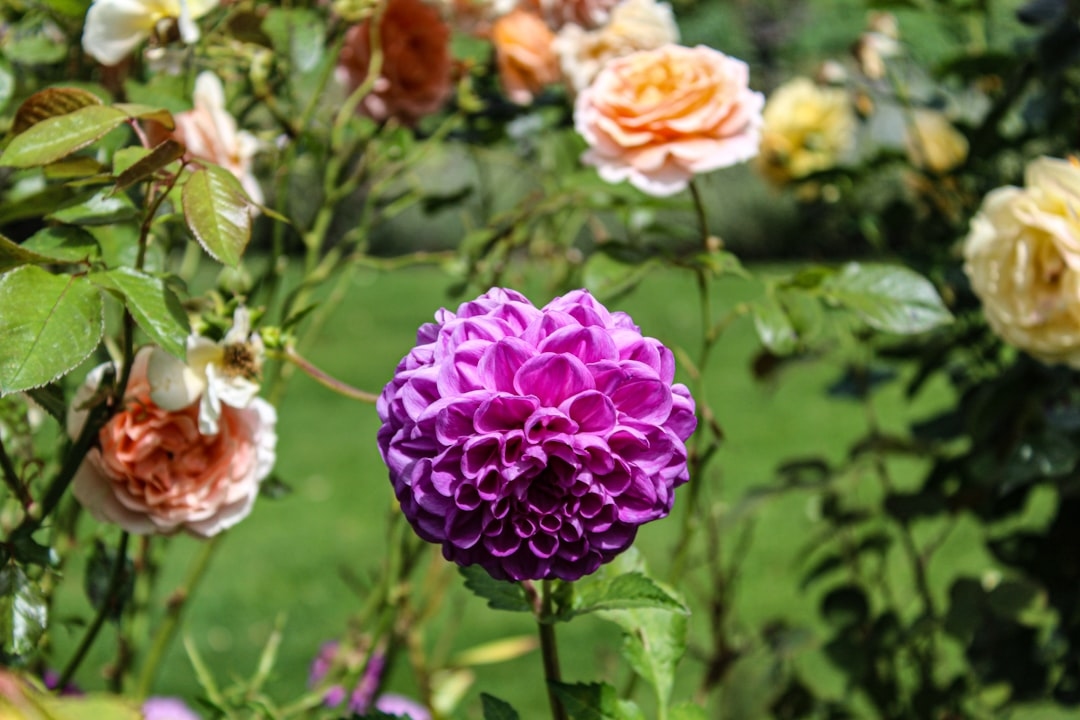
Dinner plate dahlias are not practical for containers — they grow 4 to 5 feet tall and need extensive staking. But medium-sized “border dahlia” varieties like ‘Bishop of Llandaff’, ‘Café au Lait’ (compact strains), and the Mystic series grow 24 to 30 inches tall and thrive in 15-gallon containers or larger fabric grow bags. Plant tubers in May after frost danger has passed. Pinch the growing tip when plants reach 12 inches to encourage branching — a single pinched plant can produce 3 to 4 times more stems than an unpinched one.
Snapdragons: Cool-Season Powerhouses
Snapdragons are an underused gem in small-space cutting gardens. They’re cool-season plants that thrive in spring and fall when most other annuals are not yet in bloom. The ‘Rocket’ series produces stems 24 to 30 inches tall with dense flower spikes. In Zones 7 and warmer, plant transplants in late February or early March for April and May blooms. In Zones 5–6, plant in early April for May and June blooms. Vase life is 7 to 10 days, and they last longer when harvested before the top buds open.
Cosmos: Low-Effort, High-Reward
Cosmos is arguably the most forgiving cut flower for beginners. Direct sow after frost, thin to 6 inches apart in containers, and they’ll bloom continuously for months with almost no attention. ‘Double Click’ and ‘Sensation Mix’ produce stems 18 to 24 inches long. They prefer lean soil — skip heavy fertilizing or you’ll get foliage at the expense of flowers. Harvest stems when buds are just cracking open; fully open blooms shatter quickly in the vase.
Container Selection and Setup: A Practical Breakdown
The container you choose affects root temperature, moisture retention, drainage, and ultimately, plant health. Here’s how to make smart choices without overspending.
Container Types Compared
- Fabric grow bags: Excellent aeration, prevent root circling, lightweight, and inexpensive. A 10-gallon fabric bag costs $4 to $8. Ideal for dahlias, zinnias, and cosmos. Dry out faster than other containers — plan to water more frequently.
- Plastic or resin pots: Retain moisture well, lightweight, affordable ($10–$30 for large sizes), available in attractive styles. Not as breathable as fabric but a solid all-around choice.
- Ceramic or terracotta: Beautiful, but heavy (a concern for balconies) and terracotta dries out quickly. Best for ground-level patios where weight isn’t a factor.
- Window boxes: Perfect for railings and narrow ledges. A 36-inch window box can support a row of sweet peas trained up the balcony railing above it, stacking two crops vertically in one footprint.
Minimum Container Depths by Crop
- Zinnias, cosmos, snapdragons: 10 to 12 inches deep
- Sweet peas, ranunculus: 12 inches deep
- Dahlias: 15 to 18 inches deep (use a 15-gallon container minimum)
- Sunflowers (dwarf varieties): 12 to 15 inches deep
Soil Mix for Cut Flower Containers
Never use straight garden soil or topsoil in containers — it compacts, drains poorly, and can introduce pests and disease. A high-quality potting mix is essential. For cut flowers, a mix of 70% quality potting mix, 20% perlite, and 10% worm castings or compost delivers excellent drainage, nutrition, and moisture retention. Add a slow-release granular fertilizer (like Osmocote 14-14-14) at planting time at the label rate. Supplement with a liquid bloom fertilizer (higher phosphorus, such as 5-15-5) every two weeks once plants start budding.
A Seasonal Cut Flower Growing Calendar for Small Spaces
Timing your plantings ensures you have cutting material from late winter through hard frost — a nearly year-round supply in most US climates. Use your USDA Hardiness Zone as a baseline and adjust by 2 to 3 weeks earlier or later as needed.
- January–February (Zones 7–10): Sow sweet pea seeds directly into containers outdoors or start ranunculus corms. In colder zones, start snapdragon transplants indoors under grow lights 10 to 12 weeks before your last frost date.
- March–April (All zones): Start zinnia and cosmos seeds indoors 4 to 6 weeks before last frost. Direct sow in containers where frost is no longer a nightly risk (Zone 8+). Set out snapdragon transplants in Zones 7+.
- May (All zones): After last frost, direct sow zinnias, cosmos, and sunflowers. Plant dahlia tubers. Transition any indoor seedlings outside gradually over 7 to 10 days (hardening off) before final placement.
- June–July: Peak production for zinnias, sweet peas winding down, dahlias beginning. Harvest every 2 to 3 days to keep plants producing. Sow a second succession of zinnias and cosmos for fall cutting.
- August–September: Dahlias hit peak production. Begin sowing snapdragon seeds indoors for fall/winter production in warm zones. In Zone 8+, start sweet pea seeds for fall planting.
- October–November (Zones 7–10): Plant ranunculus corms and sweet peas outdoors for winter/spring blooms. In colder zones, dig and store dahlia tubers after the first frost blackens the foliage.
- December: In Zones 9–10, enjoy winter blooms from ranunculus and sweet peas. Everywhere else, plan next year’s layout, order seeds (popular varieties sell out), and start a wish list from specialty growers.
Budget Breakdown: What Does a Small-Space Cut Flower Setup Actually Cost?
One of the most practical questions in any cut flowers small space guide — and one that rarely gets a direct answer. Here’s a realistic cost estimate for setting up a productive balcony or patio cutting garden from scratch.
Starter Setup (3 to 5 containers, one season)
- 5 fabric grow bags (10-gallon): $25–$40
- 2 bags premium potting mix (2 cu. ft. each): $30–$40
- Perlite (8 qt. bag): $12–$15
- Slow-release fertilizer (Osmocote, 8 oz.): $10–$12
- Liquid bloom fertilizer: $10–$15
- Seeds (zinnia, cosmos, sweet pea, snapdragon): $15–$25 total for multiple packets
- Dahlia tubers or ranunculus corms (optional, 6–8): $18–$30
- Basic trellis or bamboo stakes: $10–$20
- Total estimated startup cost: $130–$200
In subsequent years, your major recurring costs are seeds, potting mix refresh (top-dress with 20% new mix annually), and fertilizer — typically $50 to $80 per season. Dahlia tubers divide themselves, so your initial investment multiplies over time. Compare this to purchasing a fresh bouquet each week at the average US price of $12 to $25, and a small cutting garden pays for itself within a single season.
Upgraded Setup (drip irrigation, grow lights for seed starting)
- Battery-powered drip timer and soaker lines: $50–$80
- LED grow light for indoor seed starting: $35–$60
- Seedling heat mat: $20–$30
- Additional one-time cost: $105–$170
The grow light and heat mat are one-time purchases that last years and dramatically improve germination rates and transplant quality. Consider them an investment rather than an expense.
Harvesting and Conditioning: Making Cut Flowers Last
Growing the flowers is only half the equation. Proper harvesting and conditioning can double or triple vase life — the difference between a $30 bouquet that wilts in three days and one that looks beautiful for two weeks.
When and How to Harvest
Always harvest in the early morning or evening, never at midday when stems are heat-stressed and water content is low. Bring a bucket of cool water to your garden and submerge stems immediately after cutting — air embolisms form in the cut end within seconds and block water uptake. Use clean, sharp scissors or garden snips; a dull blade crushes the stem’s vascular tissue. Cut at a 45-degree angle to maximize surface area for water absorption.
Conditioning: The Step Most People Skip
After harvesting, move flowers to a cool, dark location — ideally between 34°F and 38°F, like a spare refrigerator — for a minimum of 4 hours before arranging. This process, called conditioning or hardening, allows stems to fully hydrate. Strip all foliage that would sit below the waterline in your vase; submerged leaves rot within 24 hours and contaminate the water with bacteria. Add a commercial floral preservative or a DIY version: 1 tablespoon of sugar, 1 tablespoon of white vinegar, and ¼ teaspoon of bleach per quart of water.
Vase Life by Variety
- Ranunculus: 10–14 days
- Zinnias: 7–10 days (change water every 2 days)
- Dahlias: 5–7 days (condition in cool water overnight)
- Sweet peas: 5–7 days (sensitive to ethylene — keep away from fruit)
- Snapdragons: 7–10 days (recut stems every 3 days)
- Cosmos: 5–7 days (harvest at bud stage for longest life)
Common Mistakes to Avoid When Growing Cut Flowers in Small Spaces
These are the errors that consistently trip up small-space growers — from beginners on their first balcony garden to experienced gardeners making the transition from ground-level beds to containers.
- Choosing the wrong size container. Undersized containers restrict roots, dry out rapidly, and produce smaller, weaker plants. When in doubt, go bigger. A dahlia in a 5-gallon pot will struggle; the same plant in a 15-gallon fabric bag will flourish.
- Skipping pinching. Many cut flower annuals — zinnias, dahlias, basil, and cosmos included — need to be pinched (the growing tip removed) when they reach 8 to 12 inches tall. Skipping this step produces one large bloom on a single stem instead of a branched plant with dozens. This single practice can multiply your yield by a factor of three or more.
- Planting too late in the season. Cut flowers need time to establish and bloom. Zinnias direct sown in July in Zone 6 will barely be blooming before frost. Follow the seasonal calendar above and start as early as your zone allows.
- Inconsistent harvesting. A cut flower plant left to set seed stops producing. Harvest stems every 2 to 3 days — even if you don’t need them for a vase. Give extras to neighbors, compost them, or float them in a bowl. The plant doesn’t care. It just keeps making more.
- Overfeeding with nitrogen. High-nitrogen fertilizers (the first number in the N-P-K ratio) push leafy vegetative growth at the expense of flowers. Once plants are established and budding, switch to a bloom formula with higher phosphorus. Zinnias and cosmos in particular produce more flowers in leaner soil conditions.
- Neglecting pest scouting. Container plants can develop thrips, aphids, and spider mite infestations rapidly — especially in the warm, somewhat protected environment of a balcony. Check the undersides of leaves weekly. A strong spray of water handles early-stage aphid infestations effectively. Introduce neem oil or insecticidal soap at first sign of a real infestation, before populations explode.
Maximizing Yield: Advanced Techniques for Small-Space Growers
Once you’ve got the basics running smoothly, these intermediate strategies can meaningfully increase your output without adding more containers or square footage.
Succession Sowing
Rather than planting all your zinnias or cosmos at once, sow in two or three batches spaced 3 weeks apart. Your first sowing will peak and begin to slow just as your second is hitting its stride. This stretches your bloom season by 4 to 6 weeks and prevents the feast-or-famine cycle that single-sowing creates.
Companion Planting for Pest Control
Interplanting basil between zinnias and dahlias genuinely deters aphids and thrips — the volatile oils in basil foliage interfere with pest navigation. It also gives you a culinary herb alongside your cut flowers, which is a satisfying bonus in a space-constrained garden. Marigolds planted at container edges serve a similar function while adding additional cutting material.
Using Vertical Space Aggressively
A 6-foot trellis attached to a balcony railing or fence occupies zero horizontal footprint but gives climbing plants — sweet peas, annual black-eyed Susan vine, and even some climbing nasturtiums — 12 to 18 square feet of growing surface. Combined with a window box at its base, you’ve created a two-tiered growing system from a strip of railing that might otherwise go unused.
Overwintering Dahlias in Small Spaces
In Zones 7 and colder, dahlia tubers must be lifted and stored over winter. In a small space, this is straightforward — tip out the container after frost, gently separate the tubers, dust with sulfur powder to prevent rot, and store in a cardboard box filled with dry peat moss or coco coir in a cool, dark space (40°F to 50°F is ideal). A basement shelf, unheated garage, or even a cool closet works. Check monthly and discard any tubers showing soft rot. By spring, a single tuber planted in May can become a clump of 5 to 8 divisions — free plants for next year.
Frequently Asked Questions About Growing Cut Flowers in Small Spaces
What cut flowers grow best in containers on a balcony?
The most productive cut flowers for balcony containers are zinnias, cosmos, sweet peas, ranunculus, snapdragons, and compact dahlia varieties. All perform well in containers with a minimum depth of 10 to 12 inches, adequate drainage, and at least 6 hours of direct sun per day. Zinnias and cosmos are the easiest starting point for beginners due to their heat tolerance, minimal care requirements, and long production season.
How many cut flowers can I realistically grow in a small space?
A productive small-space cutting garden — four to six 15-gallon containers or an equivalent area of about 20 to 30 square feet — can realistically yield two to four fresh bouquets per week during peak season (typically July through September). Succession planting and regular harvesting are the two most important factors in maximizing output. A single pinched zinnia plant in a 12-inch container can produce 30 to 50 stems over a season.
Do I need grow lights to start cut flower seeds indoors?
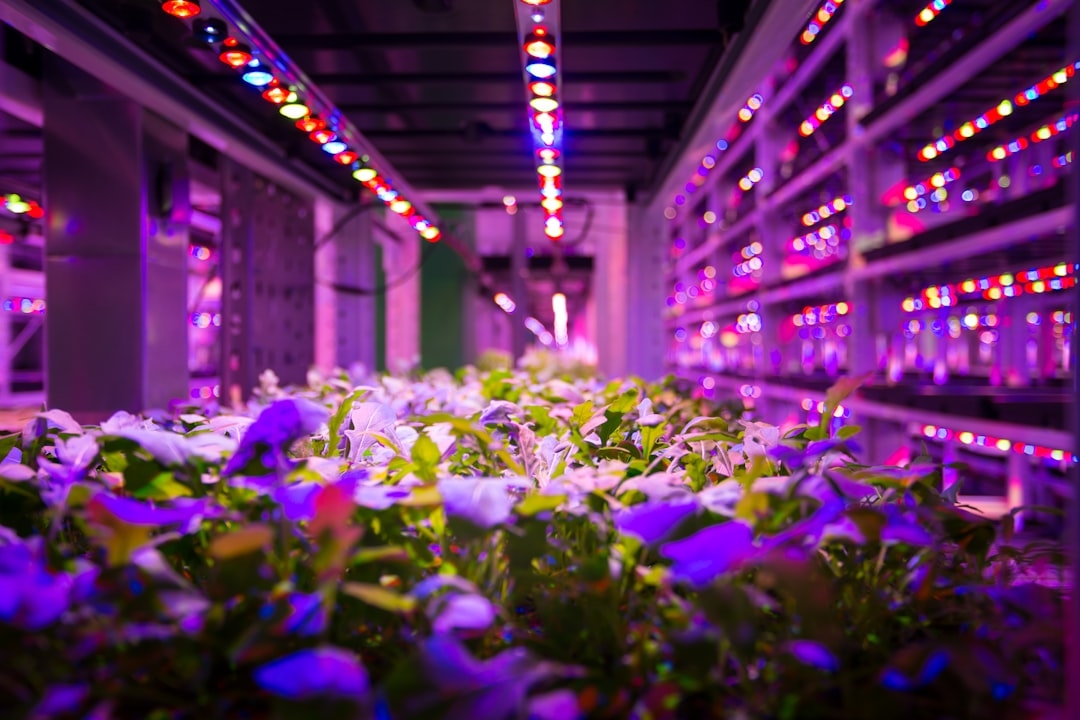
Grow lights are not strictly required but significantly improve results. A south-facing window provides adequate light in late spring but is usually insufficient in January and February when days are short and sun angles are low. A basic LED grow light positioned 2 to 4 inches above seedlings for 14 to 16 hours per day produces stockier, healthier transplants than window-grown seedlings. Budget LED grow lights start around $25 to $35 and are reusable for many years.
Can I grow cut flowers in shade or partial shade?
Most traditional cut flowers require 6 or more hours of direct sun and will not perform acceptably in full shade. However, a handful of species tolerate part shade (3 to 5 hours): lisianthus, sweet peas, and anemones can manage in part sun. For truly shaded spaces, shift focus to foliage cuts — ferns, Japanese forest grass, caladiums — paired with a few shade-tolerant blooms like impatiens or torenia for color.
When should I start planning my small-space cut flower garden?
Start planning in December or January, even for a spring garden. Popular zinnia, dahlia, and sweet pea varieties from specialty seed suppliers sell out by February. Order seeds and dahlia tubers early, inventory your containers and supplies, and create a sowing schedule based on your last frost date (find yours at the USDA Plant Hardiness Zone Map at planthardiness.ars.usda.gov). Early planning is the single biggest predictor of a productive first season.
Building on Your First Season
After one season of growing, you’ll know which varieties performed in your specific microclimate, which containers retained moisture best, and exactly how your light moves across your space at different times of year. That knowledge is irreplaceable — no guide, including this one, can substitute for it. Use it.
Keep a simple log: note planting dates, first bloom dates, yield estimates, and what you’d change. In year two, double your dahlia tuber count from divisions, try one or two new specialty varieties (lisianthus, celosia, or scabiosa are excellent next steps), and experiment with a fall succession planting for a September and October harvest. The progression from “a few containers of zinnias” to a genuinely productive small cutting garden usually takes just two or three seasons of intentional adjustment.
This cut flowers small space guide gives you the foundation. Your balcony, patio, or tiny yard gives you the canvas. The combination — even at 50 square feet — is enough to keep fresh flowers on your table from May through November. That’s not a consolation prize for not having a larger garden. For most people, it’s more than enough.


+ There are no comments
Add yours