Contents:
- Why Flower Tourism Is Booming in America
- The Best Flower Festivals Across the US by Region
- Pacific Northwest: Tulips, Dahlias, and Lavender
- California: Wildflowers and the Desert in Bloom
- Mid-Atlantic and the Northeast: Cherry Blossoms and Lilacs
- The South: Azaleas, Wisteria, and Flowering Trees
- The Midwest: Prairie Wildflowers and Botanical Gardens
- Top Botanical Gardens Worth Planning a Trip Around
- Longwood Gardens, Pennsylvania
- Brooklyn Botanic Garden, New York
- Missouri Botanical Garden, St. Louis
- Fairchild Tropical Botanic Garden, Florida
- How to Time Your Visit: A Seasonal Bloom Calendar
- Budget Planning: What to Expect to Spend
- Common Mistakes to Avoid
- Practical Tips for Getting the Most from Your Visit
- Wear the Right Footwear
- Use Garden Apps and Bloom Alerts
- Talk to Staff and Docents
- Bring a Small Notebook or Use a Plant ID App
- Bringing Flowers Home: US Flower Markets and Local Sourcing
- Accessible and Inclusive Garden Experiences
- Frequently Asked Questions
- When is the best time to visit flower festivals in the US?
- What is the most famous flower festival in the United States?
- Are US botanical gardens free to enter?
- How do I find out when a flower bloom will peak?
- Can I bring cut flowers home from a flower festival?
- Planning Your Own US Flower Festival Journey
The air hits you first — thick with jasmine and hyacinth, cut through by something sharper, maybe the green bite of freshly turned soil. Then the color. A hillside blanketed in California poppies, burning orange from ridge to ridge. A formal rose garden with 10,000 blooms in concentric arcs. A tulip field in Washington State so perfectly geometric it looks rendered. Flower tourism in America is one of the most underappreciated travel categories in the country, and this us flower festivals gardens guide will help you experience it with intention, not just luck.
Whether you have a long weekend or a full two weeks, whether you’re in the Pacific Northwest or the Florida coast, there is a flowering landscape worth traveling to within reach. The challenge isn’t finding beauty — it’s knowing when to go, what to expect, and how to avoid the most common planning mistakes.
Why Flower Tourism Is Booming in America
Botanical tourism — travel motivated primarily by visiting gardens, flower festivals, or seasonal blooms — has grown substantially alongside the broader interest in slow travel and nature-based experiences. The American Public Gardens Association reports that public gardens collectively welcome over 80 million visitors per year across more than 600 member institutions nationwide. That number doesn’t even account for informal wildflower corridors, tulip farms open seasonally, or cherry blossom festivals run by city governments.
What’s driving this? Partly it’s social media. A single viral image of Antelope Valley’s poppy bloom can bring 100,000 visitors to a remote stretch of highway in a single weekend. But underneath the Instagram effect is something more durable: people are genuinely hungry for immersive outdoor experiences that don’t require athletic training or expensive gear. Walking through a garden is accessible. It’s restorative. Research published in Landscape and Urban Planning found that even brief exposure to flowering green spaces measurably reduces cortisol levels.
For apartment dwellers especially, these visits offer something rare — unmediated contact with large-scale, living plant systems that no windowsill herb garden or balcony planter can replicate.
The Best Flower Festivals Across the US by Region
Pacific Northwest: Tulips, Dahlias, and Lavender
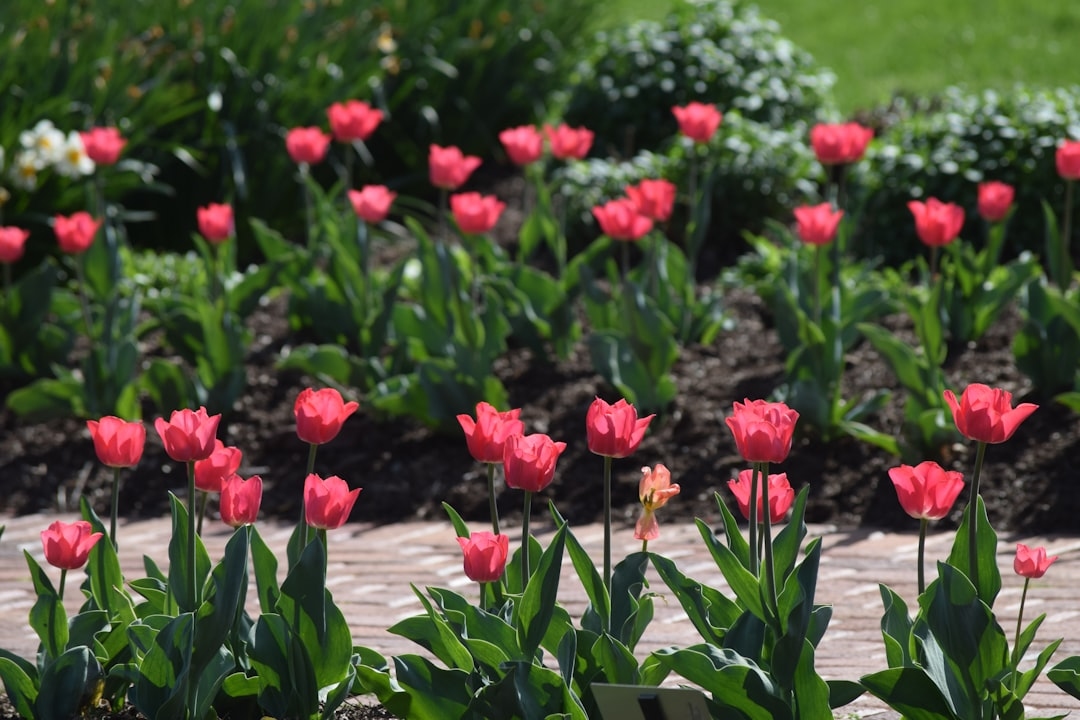
The Skagit Valley Tulip Festival in Mount Vernon, Washington runs through the entire month of April and draws roughly 1 million visitors annually. Fields operated by Tulip Town and RoozenGaarde cover hundreds of acres in solid blocks of red, yellow, purple, and white. Admission to individual farms typically runs $10–$20 per adult; parking can add another $5–$10. The peak bloom window is narrow — usually 7 to 14 days depending on spring temperatures — so checking the festival’s bloom meter tool before booking travel is essential.
Less crowded but equally spectacular is the Sequim Lavender Weekend in late July on the Olympic Peninsula. Sequim sits in a rain shadow that gives it more sun than most of western Washington, making it one of the few places on the West Coast with truly productive lavender cultivation. Over 20 farms participate, most offering free or low-cost admission ($5–$10). The fragrance at peak bloom is almost overwhelming in the best possible way.
California: Wildflowers and the Desert in Bloom
California’s wildflower season runs roughly February through May, shifting from south to north as temperatures warm. The Antelope Valley California Poppy Reserve near Lancaster protects over 1,700 acres of native habitat where Eschscholzia californica blooms in superbloom years — typically following wet winters with above-average rainfall. Admission is $10 per vehicle. There is no way to predict a superbloom with certainty more than a few weeks out; the California Poppy Reserve website and the Theodore Payne Foundation’s Wildflower Hotline are the most reliable real-time sources.
Descanso Gardens in La Cañada Flintridge hosts one of the most impressive camellia collections in the country — over 35,000 camellia plants representing 600 varieties, blooming December through March. Admission is $15 for adults. This is an overlooked winter destination precisely because most people don’t associate January with floral tourism.
Mid-Atlantic and the Northeast: Cherry Blossoms and Lilacs
The National Cherry Blossom Festival in Washington, D.C. is arguably the most famous flower event in the United States. The Tidal Basin’s approximately 3,800 cherry trees — mostly Prunus × yedoensis, the Yoshino cherry — were a gift from Japan in 1912. The festival runs late March through mid-April, but peak bloom lasts only four to seven days. The National Park Service publishes bloom forecasts starting in February. Admission to the Tidal Basin itself is free; festival programming events carry separate costs ranging from $0 to $40+.
For something less crowded, Highland Park in Rochester, New York hosts the Lilac Festival each May, centered on a collection of over 500 lilac varieties — one of the largest in the world. The festival is free to attend. Peak bloom for lilacs falls in the first two weeks of May, and the combination of fragrance and color in a well-maintained park setting is genuinely hard to match.
The South: Azaleas, Wisteria, and Flowering Trees
Callaway Gardens in Pine Mountain, Georgia covers 2,500 acres and hosts the largest Azalea collection in the Southeast, with peak bloom in late March and early April. Admission is $25 for adults. The John A. Sibley Horticultural Center on the grounds is a 5-acre indoor/outdoor garden complex worth a dedicated two-hour visit on its own.
Bellingrath Gardens near Mobile, Alabama is open year-round and displays over 250,000 azalea plants along with seasonal plantings that keep something in bloom in every month. Adult admission is $16. The azalea peak in mid-March coincides with mild temperatures that make extended walking genuinely comfortable.
The Midwest: Prairie Wildflowers and Botanical Gardens
The Chicago Botanic Garden in Glencoe, Illinois spans 385 acres across 9 islands and hosts over 2.6 million plants. Admission to the grounds is free (parking is $35); special exhibitions carry separate fees. The garden’s Japanese Garden, one of the most authentic outside Japan, reaches peak visual impact during iris season in late June.
Olbrich Botanical Gardens in Madison, Wisconsin is free to enter (the conservatory costs $2) and hosts a Thai Pavilion surrounded by seasonal plantings that shift from tulips in spring to dahlias in fall. For Midwest visitors on a strict budget, it’s one of the best values in American botanical tourism.
Top Botanical Gardens Worth Planning a Trip Around
Longwood Gardens, Pennsylvania
Located in Kennett Square, Longwood Gardens is 1,083 acres of cultivated landscape originally developed by Pierre du Pont. The conservatory alone covers 4.5 acres under glass, maintaining tropical and Mediterranean plant collections regardless of outdoor weather. General admission is $30–$40 for adults, varying by season. The fountain shows — choreographed water and light displays in the main fountain garden — run summer evenings and add an entirely different dimension to a late-day visit. Longwood is one of the rare gardens where a full day still leaves things unseen.
Brooklyn Botanic Garden, New York
Fifty-two acres in the middle of Brooklyn. That number sounds modest until you’re inside it. Brooklyn Botanic Garden holds a cherry esplanade with 200 trees that turns into a tunnel of pink each April. The rose garden, established in 1927, contains over 1,200 rose varieties. Admission is $20 for adults; residents of Brooklyn can enter free on weekdays. The garden is reachable by subway — the B/Q to Prospect Park or the 2/3 to Eastern Parkway — which makes it uniquely accessible for car-free visitors.
Missouri Botanical Garden, St. Louis
Founded in 1859, this is the oldest continuously operating botanical garden in the United States. The 79-acre property includes the Climatron, a geodesic dome greenhouse completed in 1960 that houses a rainforest ecosystem. Adult admission is $14. The Japanese Garden — 14 acres and the largest in any North American botanical institution — reaches its most photogenic state during cherry blossom season and again in fall foliage.
Fairchild Tropical Botanic Garden, Florida
Coral Gables, just south of Miami. Fairchild specializes in tropical plants and has one of the most significant cycad collections in the world — a group of ancient seed plants that predate the dinosaurs. The garden hosts the International Mango Festival each July, featuring over 200 mango varieties for tasting. Adult admission is $25. Winter is the most comfortable season for a visit, with temperatures in the 70s and many tropical species in active bloom.
How to Time Your Visit: A Seasonal Bloom Calendar
Bloom timing is not fixed. It shifts with temperature, rainfall, and microclimate. These windows are based on historical averages and should be treated as starting points rather than guarantees.
- January–February: Camellias in California and the Southeast; orchid shows at major conservatories (New York Botanical Garden’s Orchid Show typically opens in February)
- March–April: Cherry blossoms in D.C., New York, and Portland; azaleas across the South; tulips in the Skagit Valley; wildflowers in Southern California
- May–June: Lilacs in the Northeast and Midwest; peonies and irises at botanical gardens nationwide; allium and late tulips in formal gardens
- July–August: Lavender in Washington and Oregon; daylilies; prairie wildflowers in the Midwest; dahlias beginning in late August
- September–October: Dahlias peak in the Pacific Northwest; fall asters and goldenrod; chrysanthemum festivals at Japanese-style gardens
- November–December: Holiday conservatory shows; winter camellias; forced bulb displays indoors
Budget Planning: What to Expect to Spend
Flower tourism spans a wide cost range. Here is a realistic breakdown for different types of visits:
- Free or under $10: Many city parks, public wildflower areas (Antelope Valley, $10/vehicle), Highland Park Lilac Festival, Olbrich Botanical Gardens, Tidal Basin cherry blossoms
- $10–$25: Most regional botanical gardens (Missouri Botanical Garden at $14, Callaway Gardens at $25, Fairchild at $25), tulip farm admissions in Washington State
- $30–$50: Longwood Gardens ($30–$40 base, more for evening events), Chicago Botanic Garden parking, New York Botanical Garden with special exhibitions
- Travel costs: If you’re flying in for a bloom event, build in weather and timing flexibility. Booking refundable accommodations near high-variability events (superblooms, cherry blossoms) is worth the slight premium — bloom windows can shift by two weeks in either direction.
- On-site extras: Guided tours ($10–$20), tram rides ($5–$10), photography permits at select gardens ($25–$100 for commercial use)
A realistic day-trip to a well-regarded botanical garden — admission, parking, lunch at an on-site café — runs $50–$80 per adult. Regional festivals with free admission can drop that to $20–$30 with a packed lunch.
Common Mistakes to Avoid
These errors consistently undermine an otherwise well-planned flower trip:
- Booking non-refundable travel too far in advance. Cherry blossoms, poppies, and tulips do not operate on a fixed schedule. Book accommodations with free cancellation and keep your travel dates flexible by 3–5 days whenever possible.
- Arriving mid-day at popular sites. Skagit Valley tulip farms and the D.C. Tidal Basin are genuinely unpleasant between 10 a.m. and 3 p.m. on weekends during peak season. Arrive at opening time (typically 8–9 a.m.) or in the final two hours before closing for dramatically thinner crowds and better light for photography.
- Ignoring “shoulder bloom” timing. Most visitors chase peak bloom. The week before and after peak often offers 80% of the visual impact with 40% of the crowd density. Gardens look full and beautiful before every blossom is technically open.
- Overlooking conservatories in winter. The New York Botanical Garden, Garfield Park Conservatory in Chicago, and Phipps Conservatory in Pittsburgh maintain tropical bloom collections year-round. January is an excellent time to visit them.
- Skipping weekday visits. If your schedule allows it, a Tuesday at Longwood Gardens bears almost no resemblance to a Saturday in April. The experience is categorically different.
- Not checking photography policies. Some gardens prohibit tripods, drones, or commercial photography without a permit. Check before you arrive, especially if you’re carrying professional-grade equipment.
Practical Tips for Getting the Most from Your Visit
Wear the Right Footwear
Even paved botanical gardens involve 3–6 miles of walking over the course of a full visit. Comfortable, closed-toe shoes with some arch support matter more than most visitors anticipate. Gravel paths are common. Grass paths become muddy after rain. Sandals are a mistake more often than not.
Use Garden Apps and Bloom Alerts
Many major gardens now offer dedicated apps or SMS bloom alert systems. Longwood Gardens, the Brooklyn Botanic Garden, and the National Cherry Blossom Festival all have real-time status tools. The Theodore Payne Foundation’s Wildflower Hotline (updated weekly in season) is invaluable for California wildflower planning. Sign up for email lists 4–6 weeks before your intended travel window.
Talk to Staff and Docents
Garden volunteers and docents are an underused resource. They know which section is peaking that day, which trail has the best fragrance, and which plants are about to bloom. A five-minute conversation at the welcome center routinely improves the quality of a visit more than any guidebook.
Bring a Small Notebook or Use a Plant ID App
Apps like iNaturalist and PictureThis can identify plants from photographs with reasonable accuracy. For apartment gardeners, a botanical garden visit is an excellent opportunity to identify plants you might want to grow — or attempt to grow — at a smaller scale. Many gardens also operate plant sales where you can purchase specimens directly.
Bringing Flowers Home: US Flower Markets and Local Sourcing
After visiting a festival or garden, many people want to bring some of that experience into their living space. The US has a growing network of local flower farms and wholesale markets accessible to the public.
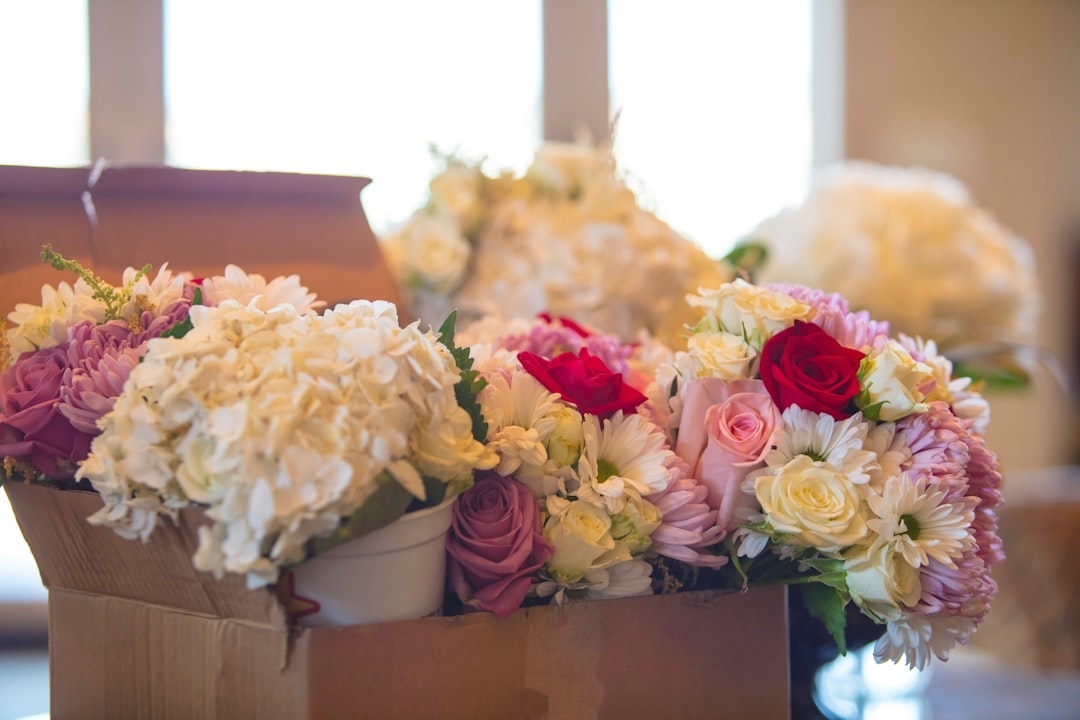
The San Francisco Flower Mart, the Los Angeles Flower District, and the New York Flower District (on 28th Street in Manhattan) are the three largest wholesale-accessible flower markets in the country. Most open to the public in the early morning hours (5–9 a.m.) at wholesale or near-wholesale pricing — typically 30–50% below retail florist prices for comparable stems.
For apartment growers, festivals and gardens also provide genuine horticultural education. Observing how large-scale plantings handle spacing, light, and companion planting translates into better decisions at the windowsill or balcony scale. The leap from seeing a well-grown tuberous begonia at Longwood to successfully growing one in a 12-inch container on a west-facing balcony is smaller than it looks.
Accessible and Inclusive Garden Experiences
Accessibility varies significantly across garden properties. The Chicago Botanic Garden and Longwood Gardens both maintain fully paved accessible pathways throughout their properties and offer complimentary wheelchair loan programs. Callaway Gardens and Fairchild provide tram tours for visitors who cannot manage extended walking. Brooklyn Botanic Garden’s main pathways are wheelchair accessible, though some naturalistic areas involve uneven terrain.
Visitors with sensory sensitivities should be aware that major festival weekends at the Skagit Valley and D.C. Tidal Basin involve dense crowds, loud programming, and strong fragrance concentrations. Visiting during the week or during early-morning hours substantially reduces sensory load without sacrificing the visual experience.
Frequently Asked Questions
When is the best time to visit flower festivals in the US?
The peak season for flower festivals in the US runs from late March through early June, covering cherry blossoms (late March to mid-April), tulips (April), lilacs (May), and roses (late May to June). However, destination-specific festivals exist in every month of the year, including winter conservatory orchid shows and summer lavender festivals.
What is the most famous flower festival in the United States?
The National Cherry Blossom Festival in Washington, D.C. is the most visited, drawing over 1.5 million people annually to see the Tidal Basin’s 3,800 cherry trees. The Skagit Valley Tulip Festival in Washington State is the largest agricultural flower festival, attracting approximately 1 million visitors each April.
Are US botanical gardens free to enter?
Some are fully free (Olbrich Botanical Gardens in Madison, Wisconsin; the Tidal Basin in D.C.), some are free with paid parking (Chicago Botanic Garden), and most charge admission in the $10–$40 range. Many offer free admission on specific days or to local residents. Always check the garden’s website before visiting, as pricing policies change seasonally.
How do I find out when a flower bloom will peak?
For cherry blossoms, the National Park Service publishes annual bloom forecasts starting in February. For California wildflowers, the Theodore Payne Foundation’s Wildflower Hotline is the most reliable source. Most botanical gardens maintain real-time bloom calendars on their websites or dedicated apps. Building flexibility into travel plans is strongly recommended, as bloom timing can shift by one to two weeks depending on winter and spring temperatures.
Can I bring cut flowers home from a flower festival?
Most flower festivals held at working farms (such as Skagit Valley tulip farms) sell cut flowers and bouquets on-site. Botanical gardens generally prohibit picking or cutting, but many operate plant sales or gift shops selling seeds, bulbs, and potted specimens. When driving across state lines, note that some states — particularly California, Arizona, and Hawaii — have agricultural inspection stations that may restrict certain plant material.
Planning Your Own US Flower Festival Journey
The architecture of a great flower trip is simple: anchor it to a fixed event with known timing (a festival date), add one or two backup locations that bloom within the same window, and keep accommodation bookings flexible. The Skagit Valley in late April pairs naturally with a day trip to Mount Rainier’s lower meadows. A D.C. cherry blossom weekend extends logically to Longwood Gardens, three hours south by car, where the tulip display typically peaks in late April.
For apartment dwellers using these visits as horticultural education, keep a running list of plants that stop you in your tracks. Photograph the label. Note the light conditions. Ask a docent whether a container version is realistic. The gap between what grows magnificently in a botanical garden and what can be coaxed into a 10-inch pot on a fifth-floor balcony is real — but it’s not as wide as it might seem. Many of the plants at the center of America’s great flower festivals and gardens began as container-grown specimens. Understanding them at scale is the first step toward growing them small.
Start with a single destination. Go once. Go at the right time. Then let the calendar fill itself in from there.
+ There are no comments
Add yours