

Contents:
- Why Flower Biology Matters for Small-Space Gardeners
- Photosynthesis: The Engine Behind Every Bloom
- How Light Intensity Affects Flowering
- Chlorophyll, Carotenoids, and the Color of Growth
- The Seasonal Growth Timeline: A Flower Calendar for Apartment Growers
- Pollination: How Flowers Reproduce
- The Role of Pollinators in Urban Environments
- Manual Pollination Techniques for Indoor Growers
- Flower Genetics: Why Your Blooms Look the Way They Do
- Understanding Hybrid vs. Heirloom Varieties
- Epigenetics: The Environment’s Role in Gene Expression
- Flower Science Growth Guide: Practical Tips for Maximizing Blooms in Limited Space
- Common Mistakes to Avoid
- The Chemistry of Fragrance and Color: Beyond the Visible
- Root Science: The Underground Foundation of Every Flower
- Frequently Asked Questions About Flower Science and Growth
- What is the main process that allows flowers to grow and produce energy?
- Why do some flowers bloom in spring and others in summer or fall?
- Can I grow flowering plants indoors year-round without natural sunlight?
- Why do my flowers stop blooming mid-season?
- What does soil pH have to do with flower color and health?
- Putting the Science to Work: Your Next Steps
A single flowering plant can produce up to 3 million pollen grains in a single day — yet only a handful will ever successfully fertilize another flower. That staggering inefficiency is not a flaw in nature’s design. It’s a feature. The science behind how flowers grow, reproduce, and pass on their traits is one of biology’s most elegant stories, and understanding it changes the way you look at even the smallest windowsill plant. This flower science growth guide breaks down the mechanisms driving every bloom, from the chemistry of sunlight conversion to the genetic lottery that determines petal color.
Why Flower Biology Matters for Small-Space Gardeners
Growing flowers in a small apartment or on a balcony isn’t just a hobby — it’s applied plant science. Every decision you make, from pot size to light placement to watering schedule, directly affects the biological processes happening inside your plants. When you understand those processes, you stop guessing and start making informed choices that lead to healthier, more abundant blooms.
Plants don’t grow by accident. They follow precise biochemical pathways shaped by millions of years of evolution. Light, water, temperature, soil chemistry, and even neighboring plants all feed into a coordinated biological system. For apartment gardeners working with limited square footage, mastering this system is the difference between a thriving herb window box and a collection of struggling, leggy stems.
Photosynthesis: The Engine Behind Every Bloom
At its core, photosynthesis is a plant’s method of manufacturing its own food. Chlorophyll molecules inside leaf cells absorb light — primarily in the red (wavelengths around 660–700 nm) and blue (430–450 nm) ranges of the spectrum — and use that energy to convert carbon dioxide and water into glucose. That glucose fuels everything: root growth, stem elongation, bud formation, and ultimately, flowering.
The simplified equation looks like this: 6CO₂ + 6H₂O + light energy → C₆H₁₂O₆ + 6O₂. But the actual process involves two distinct stages — the light-dependent reactions (which occur in the thylakoid membranes of chloroplasts) and the Calvin cycle (which occurs in the stroma). Together, they explain why your flowers need both good light and adequate water to perform.
How Light Intensity Affects Flowering
Not all light is equal. A south-facing window in a US apartment typically receives 4–6 hours of direct sunlight per day in summer — enough for sun-loving species like marigolds, zinnias, and petunias. North-facing windows may deliver as little as 1–2 hours, which suits ferns and peace lilies but will prevent most flowering plants from blooming at all.
Light intensity is measured in foot-candles or lux. Most flowering plants require at least 2,000 lux to sustain photosynthesis at the rate needed for bloom production. A sunny windowsill can reach 10,000–20,000 lux on a clear day; a spot just 5 feet from a window may drop to 500 lux. This is why placement is critical in small spaces — even 12 inches closer to a light source can meaningfully increase photosynthetic output.
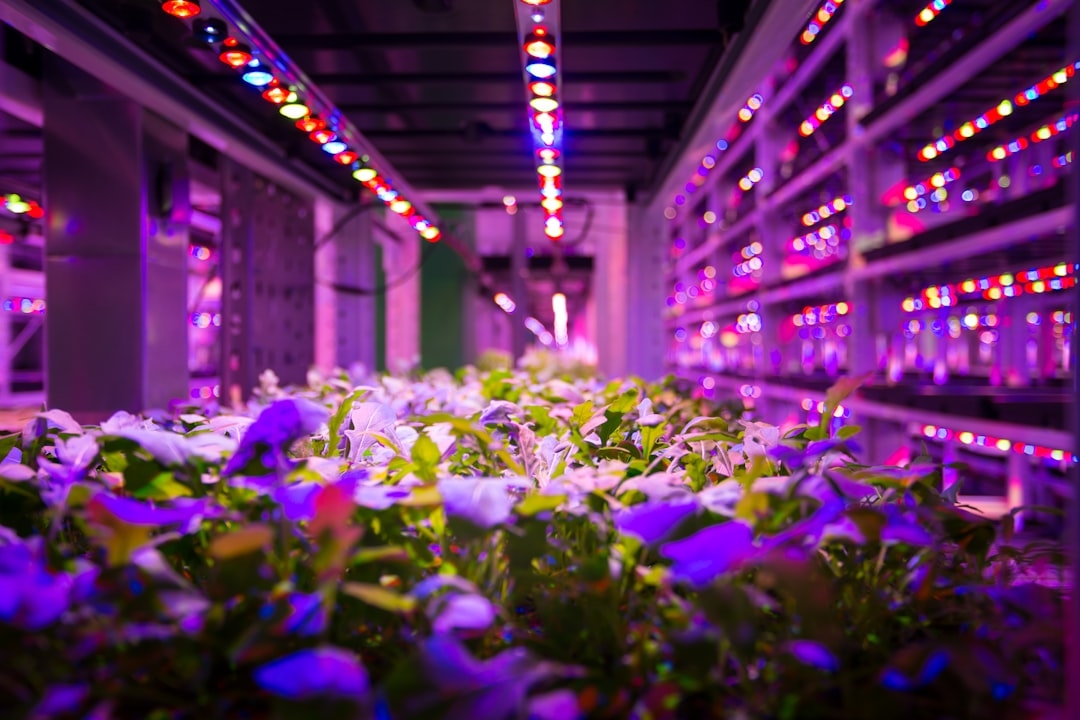
For spaces with insufficient natural light, full-spectrum LED grow lights in the 4,000–6,500K color temperature range replicate the wavelengths plants use most efficiently. Running them for 14–16 hours per day can compensate for low ambient light and trigger flowering in photoperiod-sensitive species.
Chlorophyll, Carotenoids, and the Color of Growth
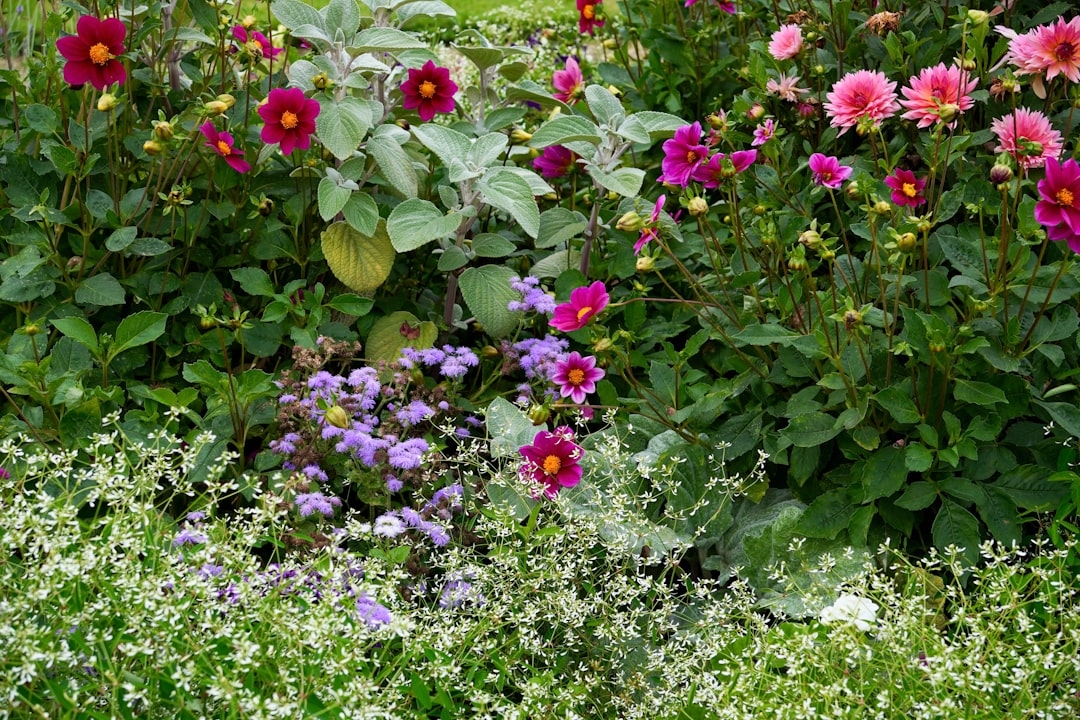
Chlorophyll isn’t the only pigment at work. Carotenoids — the molecules responsible for yellow and orange hues in flowers and foliage — also absorb light and transfer that energy to chlorophyll. They act as accessory pigments, broadening the range of light wavelengths a plant can use. Anthocyanins, which produce red, blue, and purple colors, serve different functions including UV protection and attracting pollinators, but also contribute marginally to light absorption.
The Seasonal Growth Timeline: A Flower Calendar for Apartment Growers
Understanding the annual cycle of flowering plants helps you time your efforts precisely. Here’s a practical seasonal reference aligned with the continental US climate:
- January–February (Zones 7–10): Start seeds indoors for early spring bloomers. Pansies, snapdragons, and sweet peas can be germinated under grow lights 10–12 weeks before last frost.
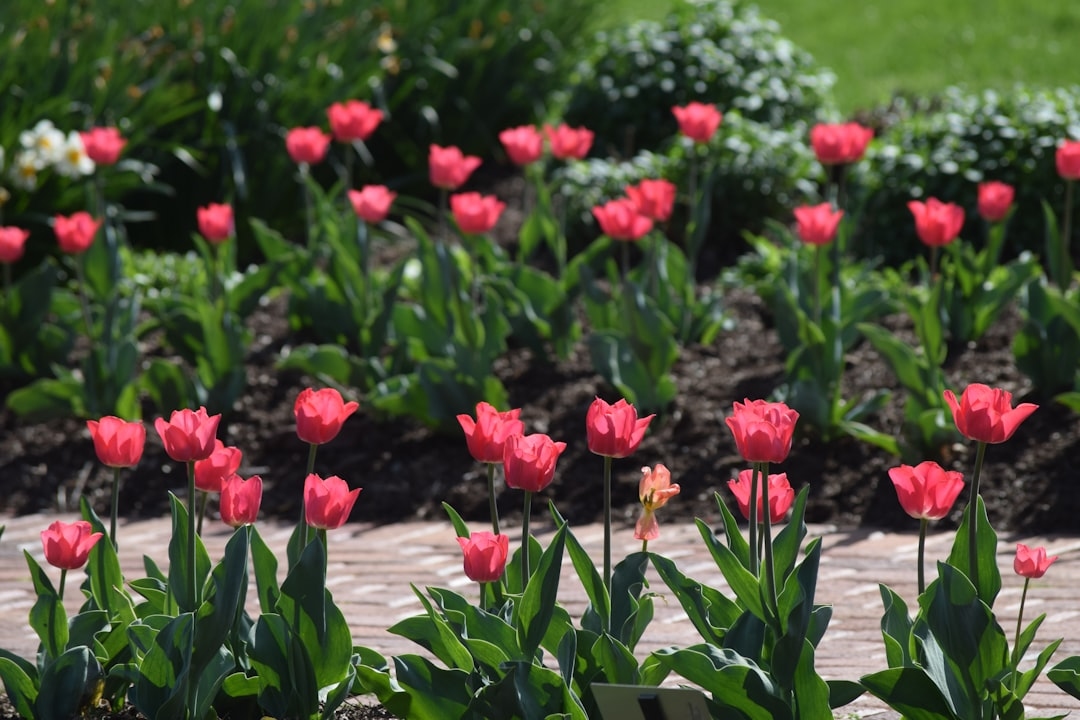
- March–April (All zones): Transplant cold-tolerant seedlings to balcony containers once nighttime temps stay above 40°F. Spring-blooming bulbs planted the previous fall (tulips, daffodils) emerge now.
- May–June: Peak planting window for warm-season annuals like petunias, zinnias, and impatiens. Longer days (14+ hours of daylight) trigger flowering in long-day plants.
- July–August: Deadhead spent blooms every 5–7 days to redirect plant energy from seed production back to new flower formation. Heat above 90°F can halt photosynthesis in cool-season species.
- September–October: Plant spring bulbs in containers — tulips need at least 12–14 weeks of cold stratification (35–45°F) to bloom. Move tender perennials indoors before first frost.
- November–December: Evaluate grow light setups. Many flowering houseplants (kalanchoe, Christmas cactus) require 12–14 hours of uninterrupted darkness to initiate blooming.
Pollination: How Flowers Reproduce
Pollination is the transfer of pollen from the male anther of one flower to the female stigma of another (or the same) flower. It’s the gateway to seed production and, in many species, the trigger for fruit development. For apartment gardeners growing edible flowers or container vegetables, understanding pollination is directly tied to harvest success.
There are two primary pollination types: self-pollination, where a plant fertilizes itself, and cross-pollination, which requires pollen from a genetically distinct plant. Tomatoes and peppers are largely self-pollinating; many squash and cucumber varieties require cross-pollination. In outdoor gardens, wind and insects handle this transfer. On a 6th-floor balcony with minimal insect access, you may need to intervene manually.
The Role of Pollinators in Urban Environments
Honeybees are responsible for pollinating roughly one-third of the US food supply by volume, but urban environments host a surprisingly diverse range of native pollinators too — mason bees, bumblebees, hover flies, and even certain moth species. Planting nectar-rich flowers like lavender, coneflower (Echinacea), and salvia on balconies can attract pollinators to your space and improve yields on edible plants nearby.
Research from the USDA shows that bee visitation frequency correlates directly with floral display size. A cluster of 10–15 lavender stems attracts roughly 3 times more pollinators than a single isolated plant. Even in small spaces, grouping your containers creates a more effective pollinator signal.
Manual Pollination Techniques for Indoor Growers
For indoor plants that can’t rely on wind or insects, hand pollination with a small paintbrush or cotton swab transfers pollen from anther to stigma reliably. The best time to pollinate is mid-morning (9–11 AM), when pollen is typically dry and most viable. In flowering plants like orchids, visible pollinia (waxy pollen masses) can be moved directly using a toothpick. For tomato flowers, gently vibrating the stem with an electric toothbrush mimics the buzz-pollination technique used by bumblebees.
Flower Genetics: Why Your Blooms Look the Way They Do
Gregor Mendel’s experiments with pea plants in the 1860s established the foundational rules of inheritance that still hold today. Genes come in pairs called alleles — one inherited from each parent plant. Dominant alleles mask recessive ones, which is why crossing a red-flowered plant with a white-flowered plant often produces all-pink offspring in the first generation (F1), with the full range of red, pink, and white re-emerging in the second (F2) generation.
Petal color, flower shape, stem height, and bloom timing are all genetically encoded. Some traits are controlled by a single gene pair (monogenic inheritance); others, like overall plant vigor, are polygenic — influenced by dozens or hundreds of genes interacting simultaneously. Modern hybrid cultivars exploit this by selecting parent lines with specific dominant traits and combining them to produce offspring with predictable, desirable characteristics.
Understanding Hybrid vs. Heirloom Varieties
When you buy a seed packet labeled “F1 Hybrid,” you’re purchasing the first-generation offspring of two carefully selected parent lines. These plants reliably express traits like uniform bloom size, disease resistance, and extended flowering — but saving their seeds won’t reproduce those same traits in the next generation. The F2 offspring will show genetic segregation, reverting toward the parent lines’ traits unpredictably.
Heirloom varieties, by contrast, are open-pollinated and breed true from seed. They’ve been grown and selected over generations — many heirloom rose varieties date back 150+ years — and saving their seeds will reproduce the same plant reliably. For small-space gardeners interested in seed saving, heirlooms are the practical choice. Popular heirloom options for container growing include ‘Tom Thumb’ nasturtiums, ‘Black Prince’ snapdragons, and ‘Grandpa Ott’s’ morning glories.
Epigenetics: The Environment’s Role in Gene Expression
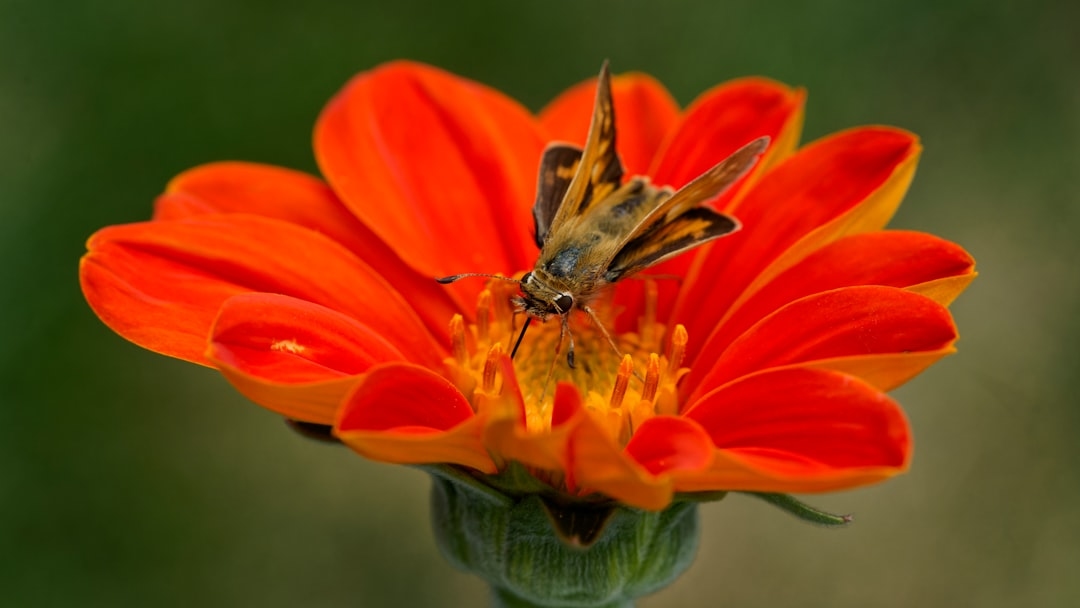
Genetics sets the blueprint, but environment controls which parts of that blueprint get expressed. Epigenetics — the study of heritable changes in gene expression that don’t alter the DNA sequence itself — explains why a genetically identical plant grown in low light may produce smaller, paler flowers than one grown in full sun. Temperature fluctuations, drought stress, and even soil pH can switch certain genes on or off, altering bloom color, timing, and intensity without changing the underlying genome.
Hydrangeas are a classic example: the same plant will produce blue flowers in acidic soil (pH 5.0–5.5) and pink flowers in alkaline soil (pH 6.5–7.0), because soil pH affects aluminum availability, which in turn influences the anthocyanin pigmentation pathways.
Flower Science Growth Guide: Practical Tips for Maximizing Blooms in Limited Space
Knowing the science is useful. Translating it into daily practice is what actually fills your window boxes with color. These techniques are grounded in plant biology and calibrated for small-space growing.
- Choose the right pot depth: Most flowering annuals need at least 8–10 inches of soil depth for adequate root development and water retention. Shallower containers dry out faster, stressing plants and triggering early seed set — which ends flowering prematurely.
- Feed with phosphorus at bud stage: Nitrogen drives vegetative growth (leaves, stems); phosphorus supports root development and bloom production. Switching to a fertilizer with a higher middle number (like a 5-10-5 formulation) when you see the first buds can increase flower count by 20–30% compared to nitrogen-heavy feeding.
- Understand photoperiodism: Plants classified as “short-day” (like chrysanthemums and poinsettias) bloom when nights exceed a critical length — typically 12–13 hours. “Long-day” plants like petunias and dianthus bloom when days are longer. “Day-neutral” plants (roses, tomatoes) bloom regardless of day length. Matching plant type to your seasonal light conditions eliminates a common source of frustrated non-blooming.
- Water at the base, not the foliage: Wet foliage promotes fungal diseases like powdery mildew, which compromises photosynthetic surface area. Use a watering can with a narrow spout or drip irrigation at the soil level. Morning watering allows any splash to evaporate before evening.
- Deadhead strategically: Removing spent flowers before the seed pod develops prevents the plant from receiving the hormonal signal to stop blooming. In zinnias and marigolds, consistent deadheading every 5–7 days can extend the flowering window by 4–6 weeks.
Common Mistakes to Avoid
Even experienced growers fall into these traps. Recognizing them early saves plants — and money.
- Overwatering: More flowering plants die from overwatering than underwatering. Saturated soil deprives roots of oxygen, disrupting nutrient uptake and triggering root rot. The reliable test: insert your finger 2 inches into the soil. Water only when that depth feels dry.
- Ignoring pH: Most flowering plants thrive between pH 6.0 and 6.8. Soil that’s too acidic or alkaline locks out nutrients even when they’re physically present in the soil. A basic pH meter ($10–$20 at any garden center) is one of the most valuable tools a small-space grower can own.
- Using the wrong light spectrum: Standard incandescent bulbs produce mostly red-spectrum light and generate excess heat that stresses plants. If you’re supplementing with artificial light, use LEDs rated for plant growth — they run cooler, use 60–70% less energy, and provide the blue-spectrum light that drives compact, bushy growth.
- Starting too many plants too soon: Seedlings started 8 weeks before last frost that are kept indoors too long become root-bound and leggy. Match your start date to your last frost date using the USDA Hardiness Zone Map. Most of the continental US falls between zones 4 and 9, with last frost dates ranging from late February (Zone 9) to mid-May (Zone 4).
- Skipping hardening off: Moving indoor seedlings directly to outdoor conditions exposes them to UV radiation, wind, and temperature swings they haven’t acclimated to. Spend 7–10 days gradually increasing outdoor exposure — starting with 1–2 hours in a shaded, sheltered spot — before full outdoor placement.
The Chemistry of Fragrance and Color: Beyond the Visible
Flower color and scent aren’t cosmetic accidents — they’re evolved communication systems. Petal pigmentation evolved primarily to attract specific pollinators. Bees see in the UV spectrum and are strongly attracted to blue, violet, and yellow flowers. Birds (especially hummingbirds) are drawn to red and orange. Beetles and flies, which were among the earliest pollinators on Earth, are attracted to white, pale green, and cream-colored flowers — often with strong fermentation or rotting scents.
Fragrance is produced by volatile organic compounds (VOCs) — primarily terpenes, benzenoids, and fatty acid derivatives — synthesized in the epidermal cells of petals. These compounds evaporate at room temperature and are detected by pollinator olfactory receptors from distances of up to 1 kilometer in ideal conditions. The amount and composition of floral VOCs is under genetic control but can be significantly affected by growing conditions: roses grown at 68–75°F produce measurably more fragrant blooms than those grown above 85°F, because heat accelerates VOC evaporation before it can reach pollinators effectively.
Root Science: The Underground Foundation of Every Flower
Roots don’t just anchor plants — they actively seek out water and nutrients through tropistic growth responses. Hydrotropism directs roots toward moisture gradients; thigmotropism causes them to change direction when they encounter solid obstacles. In container growing, roots that hit the container wall begin circling, eventually creating a root-bound condition that restricts water and nutrient uptake.
Mycorrhizal fungi form symbiotic relationships with the roots of approximately 90% of all flowering plant species. These fungal networks extend the effective reach of root systems by up to 700 times, exchanging water and phosphorus for plant-derived sugars. Commercial mycorrhizal inoculants (available from $8–$25 at garden supply stores) applied at planting can improve establishment rates and bloom production, particularly in sterile potting mixes that lack natural soil biology.
Frequently Asked Questions About Flower Science and Growth
What is the main process that allows flowers to grow and produce energy?
Photosynthesis is the primary energy-producing process in flowering plants. Chlorophyll in leaf cells absorbs sunlight — mainly red and blue wavelengths — and uses that energy to convert carbon dioxide and water into glucose. This glucose fuels all growth processes, including stem elongation, bud development, and flower production.
Why do some flowers bloom in spring and others in summer or fall?
Bloom timing is largely controlled by photoperiodism — a plant’s response to the ratio of light to darkness in a 24-hour period. Short-day plants (like chrysanthemums) bloom when nights exceed a critical length, typically in fall. Long-day plants (like petunias) bloom during summer’s extended days. Day-neutral plants bloom based on age or temperature rather than day length.
Can I grow flowering plants indoors year-round without natural sunlight?
Yes, with the right artificial lighting. Full-spectrum LED grow lights in the 4,000–6,500K color temperature range supply the wavelengths plants need for both vegetative growth and flowering. Running them 14–16 hours per day compensates for a lack of natural light. Species that do particularly well under artificial light include African violets, kalanchoe, anthuriums, and most annual herbs.
Why do my flowers stop blooming mid-season?
The most common cause is seed set — once a plant successfully produces seeds, it receives a hormonal signal to stop flowering. Deadheading (removing spent blooms before seeds form) prevents this signal. Other causes include heat stress above 90°F, nutrient deficiency (particularly phosphorus), root-bound conditions, or insufficient light reaching the lower canopy of the plant.
What does soil pH have to do with flower color and health?
Soil pH affects which nutrients are chemically available to plant roots, regardless of whether those nutrients are physically present in the soil. Most flowering plants thrive at pH 6.0–6.8. Outside this range, deficiencies in iron, manganese, or phosphorus can cause pale foliage, reduced blooms, and stunted growth. In some species like hydrangeas, pH directly alters bloom color by controlling aluminum uptake, which influences anthocyanin pigmentation pathways.
Putting the Science to Work: Your Next Steps
Every petal on a windowsill plant represents an intricate cascade of biochemical events — photons captured, sugars synthesized, genes expressed, pollen transferred. This flower science growth guide has mapped that cascade from light absorption to genetic inheritance, but the real value comes when you apply it to your specific space.
Start with a single diagnostic question: what’s the limiting factor in your current setup? If your plants are leggy and pale, it’s light. If buds form but drop without opening, it’s often temperature fluctuation or low humidity. If growth is slow despite good light, check your soil pH and fertilizer phosphorus content. Each problem has a biological explanation — and a biological solution.
Pick one plant this season and treat it as an experiment. Track its light exposure, watering schedule, fertilizer type, and bloom dates. Cross-reference what you observe against the science explained here. Within one growing season, you’ll have built an intuitive understanding of plant biology that no amount of reading alone can provide. The flowers will follow.
+ There are no comments
Add yours